


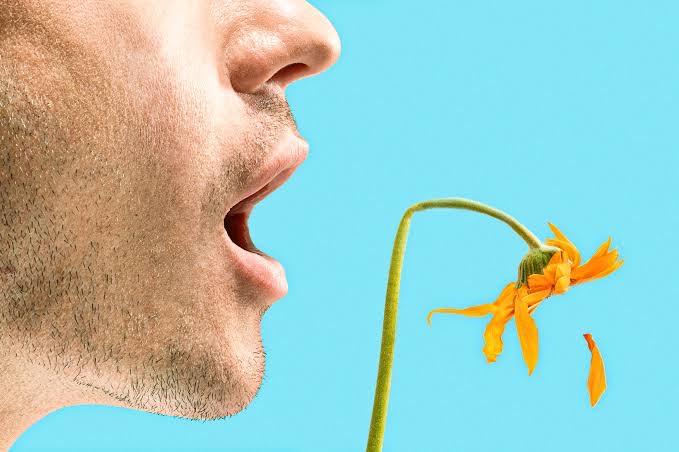
Bad breath, also known as halitosis, can be an unpleasant and embarrassing condition that affects many people. While several factors can contribute to bad breath, including poor dental hygiene and certain foods, recent research suggests that there may be a link between bad breath and gut health. In this article, we will explore the connection between gut and bad breath, and discuss ways to improve both your oral and gut health for fresher breath and better overall wellbeing. There is a connection between bad breath and gut health. Bad breath, also known as halitosis, is often caused by bacteria that live in the mouth and produce volatile sulfur compounds (VSCs), which have an unpleasant odour.
However, the gut can also play a role in bad breath. The digestive system begins in the mouth, and food particles and bacteria can travel through the digestive tract and into the gut. If the balance of bacteria in the gut is disrupted, it can lead to an overgrowth of harmful bacteria, which can produce unpleasant odours. In addition, certain foods can contribute to bad breath by producing odorous compounds as they are digested. For example, foods high in protein, such as meat and dairy products, can lead to the production of odorous compounds in the gut that are released through the breath.
To promote good gut health and reduce the risk of bad breath, it is important to eat a balanced diet that includes plenty of fibre and prebiotic foods, which can help promote the growth of healthy bacteria in the gut. Probiotics, either in the form of supplements or fermented foods like yoghurt and kefir, can also help support a healthy gut microbiome. Maintaining good oral hygiene, including regular brushing and flossing, is also important for reducing the risk of bad breath. Additionally, staying hydrated and avoiding smoking and excessive alcohol consumption can help improve both gut health and oral health, reducing the risk of bad breath
Irritable Bowel Syndrome (IBS)
IBS is a common chronic gut disorder located in your large intestine. This gastrointestinal disorder varies from patient to patient, causing loose bowel movements in some and constipation in others. As a result, those experiencing frequent bowel movements will likely suffer from poor digestion and malabsorption, leading to a rotten-smelling breath. Meanwhile, IBS patients with constipation will notice a faecal smell in their mouth due to their inability to pass stool. Aside from your breath and altered bowel movements, other symptoms of IBS include:
- Abdominal pain, cramping and bloating
- Presence of mucus in your stool
- Bowel still feeling full after going to the bathroom
- Nausea
Reducing stress and diet changes are popular ways to help reduce the frequency of your bad breath. As IBS is a chronic disease, treatment focuses on the management
Excessive Gut Bacteria
Your gut microbiome is home to trillions of different types of bacteria. While this may seem like an unsettling thought, a healthy microbiome aids the efficiency of a healthy gut. However, the small intestine is less effective in hosting gut bacteria and can cause many issues. Excessive bacteria in the small intestine can cause extreme amounts of rotten-smelling gas and belching, causing your breath to have an unpleasant smell. This condition is referred to as small intestinal bacterial overgrowth (SIBO).
Other symptoms of SIBO include:
- Loss of weight and appetite
- Abdominal pain, cramping and bloating
- Malnutrition
- Diarrhoea
- Constipation
- Excessive fatigue
SIBO is most common in people with IBS or other intolerances such as lactose or fructose.
Infection in the Digestive Tract
An infection in your digestive system is another potential cause of your bad breath. Most of these diseases come from infected water or food particles that attack our gut. The most common type of infection in the digestive tract is giardiasis, which creates a foul-smelling belch that can cause bad breath. Alongside this, other symptoms of giardiasis include:
- Watery or greasy stools
- Stomach issues such as cramping or bloating
- Constantly passing wind
Typically, most gut infections go away after two to three weeks. However, if you find yourself with severe symptoms alongside bad breath, you may need a course of antibiotics.
Treatment and Prevention
The symptoms of gastrointestinal diseases can come down drastically with a conscious change in lifestyle and eating habits. Here are some things you can try if you’re experiencing bad breath related to stomach problems:
Digestion can be drastically improved if you drink enough water. Water aids during every step of digestion and aids a variety of beneficial processes:
- Water helps in the production of saliva.
- Water dilutes stomach acids.
- Water improves the absorption of nutrients by acting as a medium.
- Water aids bowel movements and prevents constipation.
- Water dilutes toxins produced by the body.
- Water enhances kidney function.
Maintain good oral hygiene
It’s no secret that good oral hygiene can keep bad breath in check. Most of the time, we cannot help if the bad breath is from the stomach. But maintaining good oral hygiene can alleviate bad breath on a large scale. Brush and floss every day. Rinse thoroughly after every meal without a second thought. Visit your dentist for routine dental checkups and teeth cleanings once every six months.
Avoid trigger foods
The mouth is the entryway to the whole body. And, as we know now, bad breath and gut health are linked to each other closely. It is essential to be mindful of what we put inside our bodies. The following is a list of foods to avoid if you struggle with indigestion and constipation
- Carbonated drinks
- Caffeine
- Fried foods
- Alcohol
- Citrus foods
Follow a healthy diet with enough fibre containing fruits and vegetables. Drink plenty of water to ease the digestion process. Limit caffeine and avoid spicy and acidic foods that irritate the gastric mucosa and worsen the symptoms of gastrointestinal diseases. In today’s world, our work demands us to sit for more than half of the day. And, sadly, this lifestyle does not benefit our overall health. Staying active improves metabolism and reduces constipation. There is also promising research that correlates physical activity with reduced constipation and improved IBS symptoms.
Use an alcohol-free mouthwash
Mouthwashes can instantly reduce bad breath. A mini bottle of mouthwash in your bag can come in handy to boost your confidence before meeting people. Remember to choose an alcohol-free mouthwash to avoid dry mouth.
Consume probiotics
Probiotics are live microorganisms that benefit health, mainly gut health. One study showed a significant decrease in the symptoms caused by GERD using probiotics. Studies are still going on in this field, so be sure to check with your doctor before taking probiotics.
– Written By: Janvi Chitalia
She is a renowned Integrative Gut Microbiome Health Coach and Functional Medicine Nutritionist in Mumbai. Email: contact@janvichitalia.com