


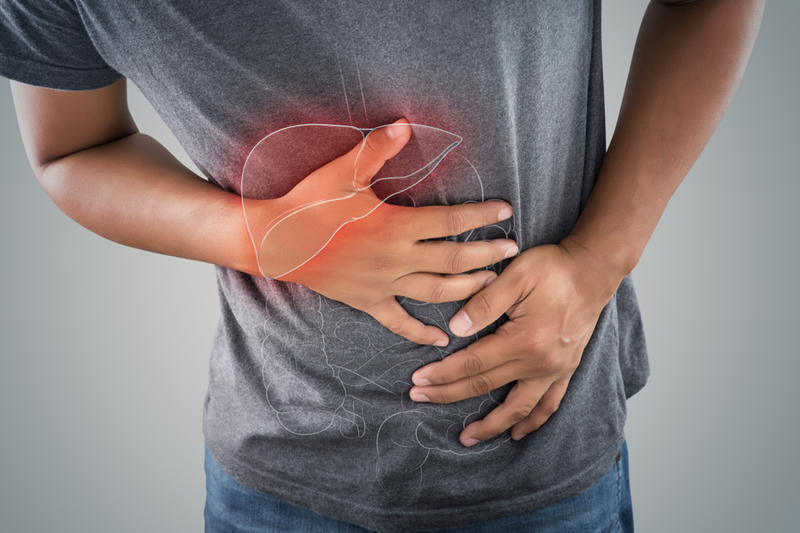
The buildup of fat in liver cells is the hallmark of fatty liver disease, a disorder that may have profound effects on the body. This article aims to clarify the health consequences and possible problems of fatty liver disease by examining the numerous changes that arise in the body due to this condition.
Knowledge of Fatty Liver Disease
There are two primary forms of fatty liver disease: alcoholic fatty liver disease (AFLD) and non-alcoholic fatty liver disease (NAFLD), which is medically referred to as hepatic steatosis. Both kinds have comparable effects on the body and are becoming more common.
The Quiet Advancement of Adipose Tissue
Fatty liver disease is distinct in that it often manifests quietly, going unnoticed by those who have it. Usually, it goes through a number of phases, each having unique effects on the body.
Steatosis: The First Phase
The liver stores extra fat during the development of steatosis, fatty liver disease. Usually benign, this stage may not show any signs at all. But it creates the conditions for worse outcomes.
Chronic Illness and Fibrosis
As fatty liver disease progresses, fibrosis and inflammation may also manifest. Since it may result in more serious illnesses like non-alcoholic steatohepatitis (NASH), this is a crucial turning point.
Steatohepatitis without alcohol (NASH)
NASH is a more severe kind of fatty liver disease that is characterized by inflammation of the liver and possible fibrosis. It may have a big effect on how healthy the body is.
The Reaction of the Body to Fatty Liver
As it worsens, fatty liver disease causes a number of changes in the body. These alterations affect the whole body; they are not limited to the liver.
Resistance to Insulin
Insulin resistance, a disorder in which the body’s cells do not react to insulin as well, is directly associated with fatty liver disease. Type 2 diabetes may result from this.
Metabolic Disorder
Metabolic syndrome and fatty liver disease are often coexisting conditions. Obesity, hypertension, and excessive cholesterol are included in this cluster of disorders.
Cardiovascular Consequences
The risk of cardiovascular illnesses may rise in the presence of fatty liver. Atherosclerosis, a disorder where arteries thin and stiffen, may result from it.
Reduced Liver Production
As fatty liver disease worsens, the liver’s capacity to carry out essential processes is impaired. It could have trouble producing essential proteins, storing glycogen, and cleansing the body.
Liver failure and cirrhosis
Fatty liver disease may lead to cirrhosis, a late stage of liver tissue damage, in extreme situations. A potentially fatal disease called liver failure may be brought on by cirrhosis.
Effects Outside the Liver
The symptoms of fatty liver disease might extend beyond the liver and affect several areas of the body.
Kidney Injury
Damage to the kidneys and a higher chance of developing chronic renal disease may result from fatty liver disease.
Pancreas Problems
Fatty liver may have an impact on the pancreas, which may result in issues like pancreatitis.
Effect on the Mind
Stress and worry are two psychological effects of having a chronic illness like fatty liver.
Preventive and Administrative
Knowing how fatty liver affects the body highlights the significance of treatment and prevention.
Changes in Lifestyle
Diet and exercise are two important aspects of a healthy lifestyle that may help prevent and treat fatty liver disease.
Clinical Procedures
Medical treatments may be required in some situations, particularly when the illness is in an advanced stage, to control fatty liver disease.
Frequent Inspection
For those who are at risk of developing fatty liver disease, routine examinations and monitoring of liver function are crucial. To sum up, fatty liver disease is not a treatable illness. It may advance quietly and have a variety of effects on the body. In order to lessen its consequences and preserve general health, awareness, prevention, and prompt care are essential.