


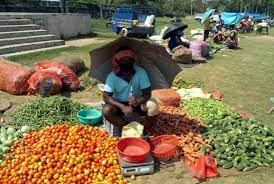
Shaktikanta Das, governor of the Reserve Bank of India, said that vegetable prices in India are anticipated to decline starting in September. This should help to temper the recent spike in retail inflation, which hit 7.44% in July, the highest level in 15 months.
“Starting in September, we anticipate a noticeable decline in vegetable inflation. Although global concerns may have an impact on food prices, the prognosis seems positive for cereal prices, according to Das.
The fact that core inflation has recently been gradually declining while being higher, he said, is evidence of efficient monetary policy transmission. Das said, “The central bank will be vigilant to prevent inflation from persisting and generalizing across sectors.
The frequent occurrences of ongoing food price shocks, he said, “represent a danger to the anchoring of inflation expectations, which has been ongoing since September 2022. We’ll continue to keep an eye on this.
Since May 2022, the RBI has raised rates by 250 basis points in an effort to rein in the nation’s increasing inflation. According to Das, the Monetary Policy Committee’s legislated medium-term aim of 4% inflation is still the central bank’s primary goal.
Similar to the previous statement, the finance ministry said that while growing crude oil costs are still a worry even if they are within the acceptable range of $90 per barrel, the government anticipates a drop in vegetable prices beginning next month.
The ministry also made it clear that there are no plans to lower excise taxes, and that the government is driving infrastructure investment while the private sector has yet to gain traction with capital investments.
According to Das’ further comments, which were published by PTI, the central government’s capital spending was 28% of budget projections at the end of the June quarter and would increase to 50% by the end of September. The government increased capital investment spending in the 2023–24 budget by 33% to $10 lakh crore for the current fiscal year.
As part of its efforts to reduce inflation, the government has released stockpiles of wheat and rice, restricted the export of sugar and rice, and opened the door for the import of pulses and oilseeds.