


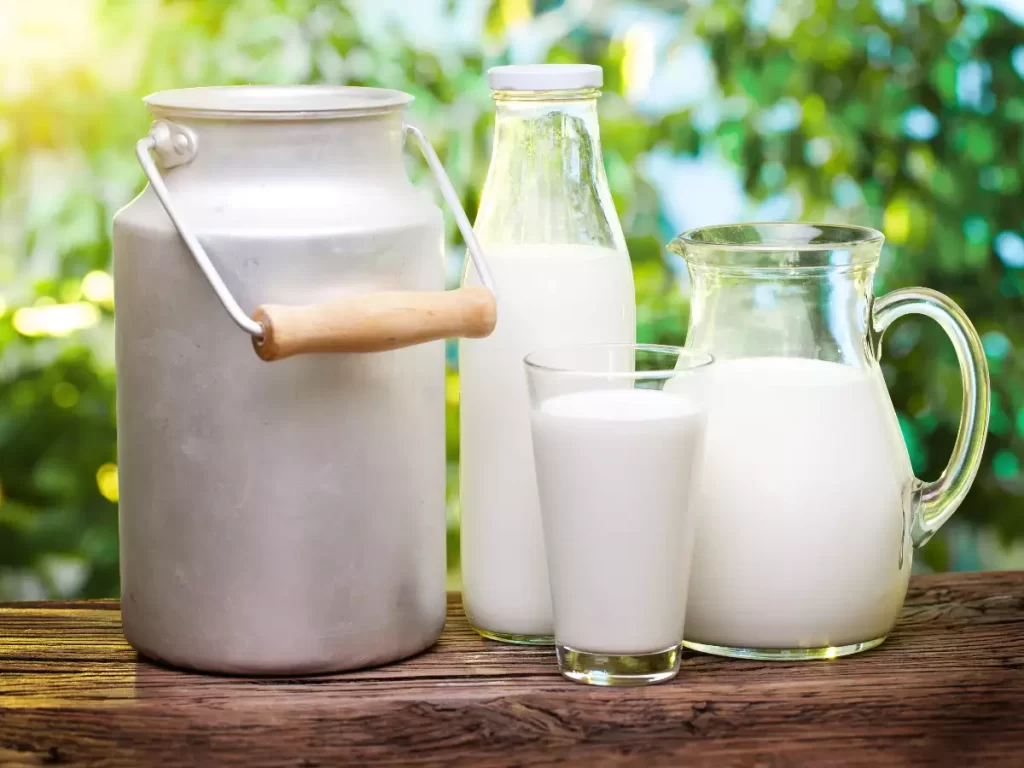
The use of raw milk, sometimes referred to as “nature’s perfect food,” has been practiced by many societies for ages. Raw milk is unpasteurized and unprocessed, preserving all of its original nutrients and beneficial components, unlike the pasteurized and homogenized milk that is often available in stores today. While the issue of raw milk’s safety is still up for dispute, proponents contend that it has a host of health advantages. In this post, we will cover the top health advantages of raw milk.
Full Nutritional Profile
With a wealth of necessary vitamins, minerals, and enzymes that are sometimes lost during pasteurization, raw milk is a nutritional powerhouse. It is a great source of calcium, vitamin D, vitamin B12, and riboflavin, all of which are essential for preserving strong bones, a robust immune system, and good metabolic performance.
Enhancing Digestibility
The improved digestion of raw milk over pasteurized milk is one of its main benefits. It includes natural enzymes that help with the digestion of lactose, lipids, and minerals, including lactase, lipase, and phosphatase. Those who are lactose intolerant may find this to be especially advantageous since raw milk contains digestive enzymes that may help ease gastrointestinal pain.
Additional Probiotic Content
Natural sources of healthy bacteria, such as the lactobacillus and bifidobacterium strains, may be found in raw milk. These probiotics help maintain a balanced gut flora, which is necessary for proper immunological and general digestive processes. Additionally, a healthy gut microbiota may boost nutrition absorption and lower the risk of digestive diseases.
Lessening of Allergic Reactions
When transitioning to raw milk, some people who have allergic responses to pasteurized milk may enjoy relief. This is because milk proteins are changed by pasteurization, making them more allergic. Raw milk, on the other hand, keeps its original protein structure, which may be less irritating to certain people’s immune systems.
Reduced Asthma and Allergy Risk in Children
According to a number of studies, kids who drink raw milk may have a lower incidence of allergies and asthma. The wide variety of bioactive substances present in raw milk may help boost the immune system and avoid allergic reactions.
Circulatory Health
Omega-3 fatty acids and heart-healthy saturated fats are found in raw milk, which may help. In addition to lowering inflammation and the risk of cardiovascular illnesses, these fats assist in maintaining healthy cholesterol levels. Additionally, the vitamin K2 included in raw milk promotes healthy artery function and blood coagulation.
stronger bones and teeth
To maintain healthy teeth and bones, raw milk contains the minerals calcium and phosphorus. Raw milk delivers these minerals in their original form, which may improve their absorption and efficacy, unlike certain pasteurized milk products that may have additional synthetic vitamins.
Enhancing Skin Health
Zinc, vitamin A, and vitamin D are among the minerals in raw milk that may help skin look better. These vitamins are well recognized for promoting collagen formation, skin regeneration, and the avoidance of acne and other skin disorders. Even as a topical skin cleanser and moisturizer, some individuals use raw milk.
Improved Immune Response
Immunoglobulins, lysozymes, and antibodies are among the immune-stimulating substances found in raw milk. These substances support the body’s natural defensive systems and aid in infection prevention. Raw milk drinking on a regular basis helps strengthen the immune system.
Weight Control
Contrary to popular belief, drinking full-fat raw milk might really help you control your weight. Raw milk’s nutritious fats aid in appetite regulation and provide a sense of fullness, which lowers the risk of overeating. Additionally, raw milk’s contents assist metabolic processes that are important for maintaining a healthy weight.
While there are many possible health advantages of drinking raw milk, it’s vital to be aware that there are also certain hazards, mostly associated with foodborne infections. E. coli, Salmonella, and Listeria are three dangerous bacteria that may be found in raw milk and can cause severe diseases, particularly in susceptible groups including small children, the elderly, and pregnant women.
Prior to including raw milk in your diet, it’s critical to conduct extensive research and comprehend the potential risks and advantages. To make an educated choice based on your unique health requirements and circumstances, speak with a healthcare expert. If you decide to eat raw milk, make sure you get it from a reliable source that follows stringent safety and hygiene guidelines to reduce the danger of infection.