


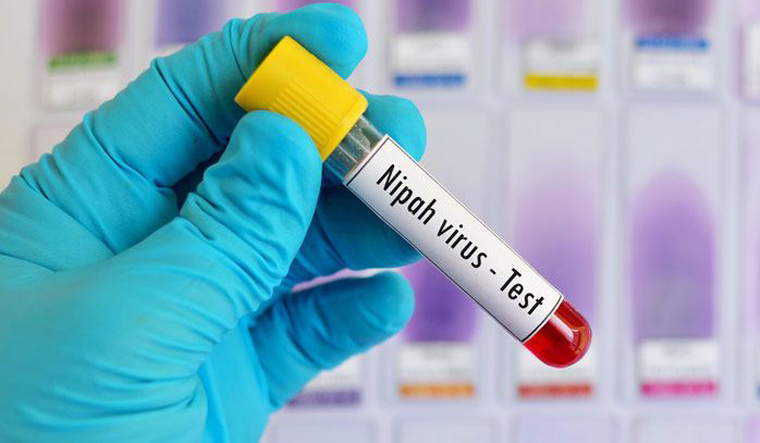
The country is now threatened by the Kerala epidemic of the Nipah virus. Two fatalities associated with the virus have been documented so far, and many more people have the infection. The zoonotic virus has a 21-day incubation period and spreads from bats to people and agricultural animals.
We must follow all safety procedures and guard against contracting the virus since the Kerala Health Department is doing all possible to stop it. Let’s examine the potential effects of the Nipah virus on organs in this article, along with the usual safety measures.
Are Young Children and Older People More At Risk From the Nipah Virus?
High fever, headache, lightheadedness, disorientation, convulsions, and breathing difficulties are among the signs of the Nipah virus. Because this specific virus has no age restrictions, everyone from any group who comes into touch with an infected person or animal runs the risk of contracting it. However, because to their undeveloped immune systems, youngsters and the elderly might especially struggle.
Organ risk from the Nipah virus
Nipah virus infection immediately affects the brain and lungs, according to Sanjeev Dutta, HOD and Senior Consultant, Department of Neonatology & Paediatrics, Marengo Asia Hospitals, Faridabad. It may result in respiratory and lung issues, which are typical infection symptoms.
He said that signs of infection include a cough, dry throat, fast breathing, fever, and stomach issues including vomiting and nausea. “In severe cases, it may result in encephalitis (brain inflammation), which can cause disorientation or seizures,” he said. Even fatal outcomes from encephalitis, such as coma or death, are possible.
Measures to Prevent the Nipah Virus
All people should practice prevention, but it’s particularly advisable for kids and the elderly to stay away from ill people and animals. Additionally, the infected person’s food and clothing should not be touched. This is so because the virus is carried by insects. In the meantime, wearing a mask—especially a N95 mask—is essential to prevent infection since doing so may stop the virus from spreading via droplets.
Next, remember to routinely wash your hands with soap and water or sanitizers that contain 70% alcohol. In order to maintain personal safety, it is a must. In addition to taking these safety precautions, you should avoid eating fruits that have fallen to the ground, drinking raw date palm sap, and being bitten or licked by fruit bats.