


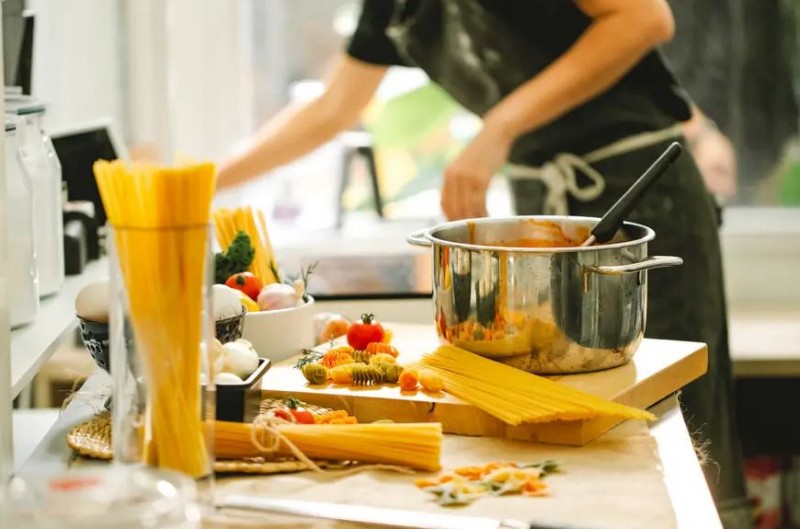
Without a question, cooking is a kind of art that transcends basic nutrition. We may use food as a means of expressing our creativity, discovering new tastes, and nourishing our bodies. To guarantee that the skill of cooking converts into a healthy and delightful experience, careful consideration must be given to every step of the process, from choosing fresh ingredients to preserving prepared meals. This essay explores the crucial elements of food shopping, preparation, and storage while highlighting typical errors that may be harmful to our health.
Making the Right Ingredient Choices
The choice of high-quality components is the basis of a filling and delectable dinner. Choose seasonal produce when buying fruits and vegetables since it’s probable that they’ll be fresher and more tasty. Avoid fruit that is severely damaged or discolored since they may not be as fresh.
Conscious Choices in Meat and Seafood
Those who use animal products in their diet must be sure to choose meat and fish of the highest quality. To reduce saturated fat consumption, choose lean meat cuts and fresh seafood. To lessen the possibility of contamination, be sure that meat is correctly labeled and purchased from reliable sources.
Legumes and Whole Grains
Whole grains and legumes increase the nutritious value of your diet while also adding diversity. Choose whole grains, quinoa, lentils, and beans over other options since they are high in fiber, protein, and important nutrients.
Food preparation and sanitation
The importance of maintaining good cleanliness when preparing meals cannot be overstated. Before handling food, fully wash your hands, and check that all surfaces and utensils are clean. Using different cutting boards and utensils will help prevent cross-contamination between raw and cooked meals.
Integrated Cooking Methods
Various cooking techniques have varied nutritional advantages. While deep frying and frying may improve flavor, they can add calories and trans fat to the food. Instead, think of healthy cooking methods like baking, grilling, steaming, and sautéing that maintain the tastes of the food.
Portion Regulation
If portion sizes are not controlled, even the healthiest meals may become troublesome. Overeating causes weight gain and may have a number of negative health effects. Consider using smaller dishes to reduce serving sizes and be conscious of portion amounts.
Choosing Seasonings Wisely
Without using excessive amounts of salt, sugar, or bad fats, herbs, spices, and natural flavor enhancers may completely change the taste of a food. Try experimenting with garlic, ginger, turmeric, cumin, and other spices to give your recipes more depth and complexity.
Why Food Storage Is Important
The way food is stored has an influence on both flavor and safety throughout the cooking process. Nutrient loss, food deterioration, and foodborne infections may all result from improper storage. Here are some recommendations to make sure food is both safe and fresh:
a. Refrigeration: To stop bacterial development, perishable goods including dairy, meat, poultry, and prepared dishes should be kept in the refrigerator at or below 40°F (4.4°C).
b. Freezing: Many foods’ shelf lives may be increased by freezing. Make sure that products are packaged properly to avoid freezer burn, and identify frozen items with the date.
c. Pantry Essentials: Dry items like grains, beans, and canned foods should be kept out of direct sunlight in a cool, dry location.
d. Appropriate Packaging: To protect the quality of goods that are being kept, use airtight containers.
e. First-In, First-Out (FIFO): To avoid wasting food, utilize the oldest goods first while keeping a variety of products.
Keeping Away from Common Food Errors
There are many typical dietary errors that may be harmful to health:
Perishable foods that are kept at room temperature for a lengthy amount of time might serve as a breeding ground for germs.
a. Washing Fruits and Vegetables Before Storing: Although washing fruits and vegetables prior to storing is necessary, doing so might cause moisture buildup and hasten spoiled food. Instead, wash before using.
c. Overcooking Vegetables: Vegetables may lose nutrients when they are overcooked. To preserve nutrients, use faster cooking methods or think about steaming.
d. Storing Hot Foods in the Fridge: Storing hot food in the refrigerator may increase the temperature within the appliance, which may encourage the development of germs. Before putting hot meals in the fridge, let them cool.
a. Storing Leftovers Indefinitely: To guarantee both safety and quality, Leftovers should be used within a reasonable time period (often within 3–4 days).
Cooking is a journey that requires both culinary expertise and knowledge of how our decisions affect our health. Each step leads to a healthy eating experience, from choosing fresh products to using correct food preparation methods and adopting efficient food storage practices. We may enjoy the actual essence of the culinary art while nourishing our bodies and general well-being by avoiding frequent food blunders and adopting mindful cooking practices.