


For the last two years, 32-year-old Leeka Ram has been battling TB. Leeka, a resident of the Kanamwar Nagar slums in Vikhroli, was identified as having TB after experiencing a persistent chronic cough. The doctor has advised Leeka to wear a mask as a precaution to counteract the air pollution in the region where she lives even though she has been attending the local civic-run health clinic and taking medicine for the condition. According to physicians with clinics in this region and beyond, the area’s rampant building activity have resulted in a higher than usual hospital admission rate.
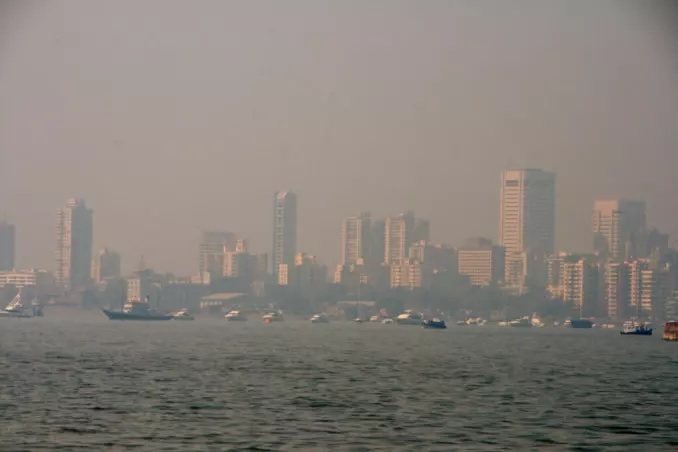
Like the year before and the year before that, Mumbai’s air quality is ranked among the worst in the nation’s cities this year. The situation is so grave that the commissioner of the Mumbai Municipal Corporation (BMC), Iqbal Singh Chahal, who is acting as the administrator until elections are held for the municipal body, has threatened to halt development projects citywide without the required dust control measures being put in place. According to a statement from the municipal authority, there are now 6,000 building sites across Mumbai and its suburbs, both public and private.
According to statistics from the Central Pollution Control Board, the air quality index in several areas of Mumbai topped 200 throughout the day last week, which is regarded as “poor.” Chahal has been talking to each of the parties concerned in a series of encounters. The Mumbai Air Pollution Mitigation Plan 2023 was unveiled by the BMC last year, as the city’s air quality began to deteriorate similarly. Ravi Raja, the leader of the Congress and the previous head of the opposition in the BMC, accused the BMC in a statement of failing to carry out even one Plan guiding principle. In addition, he claims that the city’s worsening air quality is to blame for the chronic lung ailments that thousands of residents, especially children, are experiencing.
The BMC’s proposed methods include covering the sides of the under-construction structures with either green cloth or jute sheets or with iron enclosures that are required to be 35 feet high surrounding construction sites. Within 15 days after the beginning of construction operations at the site, sprinkler systems must be installed. According to the BMC statement reaffirming the parameters of the Mumbai Air Quality Mitigation Plan 2023, anti-smog guns must also be delivered within 30 days. According to the statement, the BMC would deploy anti-smog weapons along 50–60 main routes in Mumbai.
The local government has placed mist machines on the roadways in several locations, including Worli Sea Face, Haji Ali, Peddar Road, Girgaon Chowpatty, Nariman Point, Fashion Street, Badhwar Park, and the Work Trade Centre, in order to manage dust. Transporters moving rubble in trucks on public highways are under stringent orders from Chahal to make sure the cargo is adequately covered with tarpaulin sheets and that it does not exceed the allowed weight. Additionally, he has asked the transport commissioner’s office to take stern action against vehicles that are either out-of-service, lack a Pollution Under Control (PUC) certificate, or are overloading trucks while being transported.
Tata Power and the Rashtriya Chemicals and Fertilizer (RCF) facilities, two refineries in the city, are now undergoing inspections to see whether pollution control measures have been put in place.
Mumbai, a coastal city, has historically benefited from the sea wind to control pollution levels. However, according to environmental scientists, global warming and climate change have altered the wind pattern, which has had a significant influence on the weather. The air quality in Mumbai and its surrounding regions has been negatively influenced by the rising vehicle population and increased building activity.
According to experts, hospitals and private clinics’ outpatient clinics are experiencing a high patient volume with symptoms of respiratory disorders. According to data from a 2019 research published in the Lancet Planetary Health Journal, pollution was a factor in more than 23.5 million deaths in India during that year. These untimely deaths from all types of pollution, including 16.7 lakh fatalities from air pollution, are thought to be the most among all nations in 2019.