


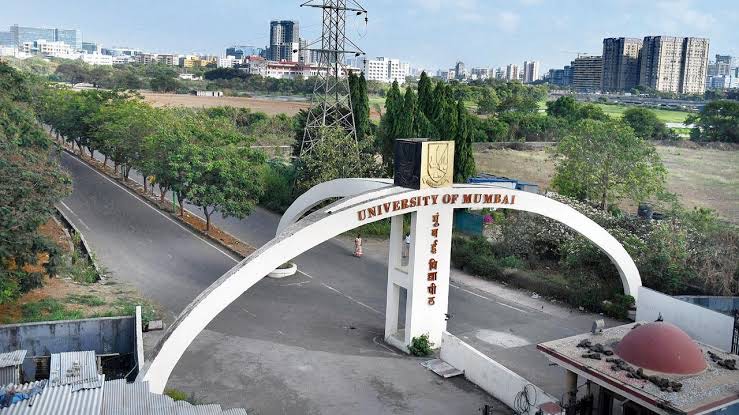
During its most recent senate meeting, the University of Mumbai (MU) revealed that around thirty percent of its affiliated colleges are running without a permanent principal. “In-charge” or temporary principals oversee 270 of the 878 MU-affiliated institutions. Of these, about 170 have gone more than a year without having a permanent principal. This underscores a structural issue that higher education institutions deal with as they undergo National Education Policy (NEP) changes.
According to the data, the ratio of institutions without a full-time principal increased from 25% in 2022 to over 30% in 2024. Senate principal position vacancies have alarmed Eknath Sutar, a teacher at Mandangad College in Ratnagiri. He outlines the circumstances that have led to these vacancies. He clarified, “On occasion, government approvals for appointments linger forever, and on other occasions, managements doesn’t fill the positions because of vested interests.” “Colleges are finding it difficult to find qualified applicants for the positions.
Sutar continued, saying that the lack of a regular principal negatively impacted institutions. He made the observation that “a person juggling additional responsibilities cannot be expected to be as accountable as a dedicated principal.”
Although the university did not provide a particular classification of the colleges without full-time leadership, an official from the state government indicated that many of these establishments are probably part of the unassisted sector. He said, “Most principal appointment proposals in aided colleges were handled before the implementation of the model code of conduct for the Lok Sabha elections.”
Unaided institutions just need university clearance to nominate a candidate as principal, whereas grant-in-aid colleges need a state no-objection certificate. Nonetheless, there have been recent irregularities in the college principal and instructor approval procedures.
The state government put a stop to hiring new employees and filling open jobs, including main positions, in an effort to attain financial stability in 2015. In 2018, this prohibition was repealed, allowing for filling 40% of teacher vacancies and all open principal positions. However, in 2020, the state finance agency again stopped hiring because of budgetary restrictions made worse by the Covid-19 outbreak. Permission to fill 260 principal roles throughout the state was given a year later.
Sutar said that these disclosures highlight a concerning pattern in the management of MU-affiliated postsecondary educational institutions, bringing into question the efficiency of administrative processes as well as their possible effects on academic standards and student welfare.
Over 50% of colleges lack a CDC.
The University of Mumbai (MU) has 878 colleges that are connected with it. Of them, less than half have a College Development Committee (CDC) that guides areas of academic and administrative concern. In a recent senate hearing, MU disclosed—based on information from 393 institutes—that just 413 colleges had established CDCs. The university has threatened to stop first-year admissions to colleges that do not comply with its circular, which requires the creation of a CDC immediately.
The Maharashtra Public Universities Act of 2016 mandates that every college establish a CDC of different stakeholders. This group is responsible for creating development strategies, establishing academic schedules and spending plans, and handling anything from new course introductions to safety concerns.
Sen. Vijay Pawar, a teacher, drew attention to the pervasive neglect in creating and operating CDCs, noting that 413 universities with CDCs simply have them on paper. He stated, “Most colleges don’t hold a committee meeting after it is established.” Pawar has been at the university to ensure these panels operate transparently and with compliance.