


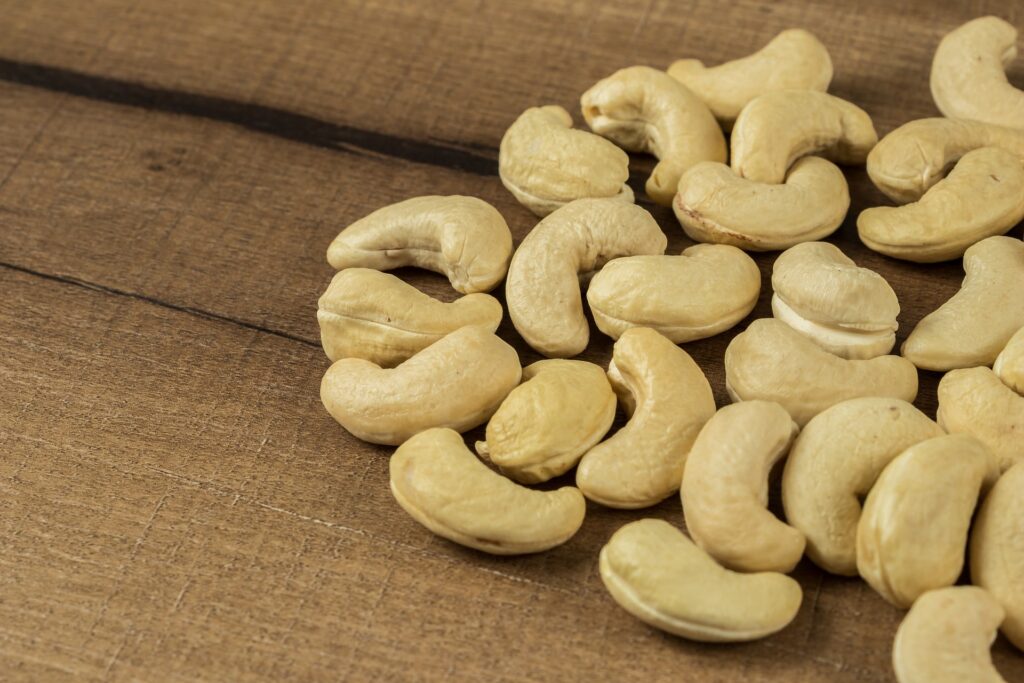
You’re not the only one who like cashews. Popular as a snack, these nuts have a creamy, somewhat sweet taste. Nevertheless, how can you be certain that the cashews you own at home are real and not phony? In addition to compromising flavor, low-quality or counterfeit cashews may be harmful to your health. We’ll walk you through the process of quickly determining if the cashews you own are real or not in this post.
Examine the packaging.
Take note of these crucial characteristics before you even open the package:
1. Authenticity of Brand
To be sure your cashews are authentic, start by buying them from reliable brands or suppliers. Reputable companies have an obligation to maintain their good name, so you can expect superior items from them.
2. Label Defining
Next, read the cashew package label carefully. Look for labels that are accurate, well-printed, and provide clear product information. This covers the components, weight, and nutritional information. All of this information should be easily accessible on authentic items, therefore any disparities or contradictions on the label should raise suspicions.
3. Quality of Packing
To keep them fresh, real cashews are usually packaged in airtight jars. Look for any indications of manipulation, poor quality, or damage to the packing. It’s possible that a broken packaging means the cashews aren’t quite up to snuff.
Examine the Outward Form
After examining the container with great care, it’s time to examine the cashews closely:
4. Size Uniformity
Genuine cashews are typically all the same size and shape. Look for uniformity in the size of the cashews as you open the box. A large range of sizes may indicate inferior or phony nuts. Sorting is done on real cashews to guarantee consistency.
5. Texture and Color
The hue of genuine cashews is distinctly light and white. Their texture is silky and they have a little curvature. Cashews have a very distinctive natural look; any variation from this, including discolouration or an odd texture, might signal that the cashews are not real. Fake cashews sometimes even have a look closer to plastic.
6. Color Consistency
Examine the hues of the cashews after spreading them out over a spotless surface. Genuine cashews need to have a uniform color throughout. A clue that not all of the cashews are real might include inconsistent coloration.
7. Glow
A natural shine is typically seen in genuine cashews. The natural oils found in the nuts are the cause of this. On the other hand, if the cashews seem too shiny, it can mean that they have a coating on them. This coating may be applied on the nuts to cover up flaws or to give the impression that they are prettier than they really are.
Aroma Test
8. Pure Fragrance
The scent of real cashews is nutty, sweet, and delicate. One of the things that draws people to cashews is their nice fragrance. Give your cashews a chance to sniff. They may not be real if they have an overpowering chemical scent to them or have no smell at all. The coating or other compounds used on the faux cashews might be the source of this chemical odor.
Smell Test
9. Texture and Flavor
One of the best methods to be sure the cashews are legitimate is to taste them. The creamy, slightly sweet taste and slightly crunchy texture of real cashews are well-known. A real cashew should have a nice, mild sweetness and creamy texture when you bite into it. Fake cashews might lack the anticipated creaminess, taste stale, or have an unusual aftertaste.
Crack Open One
10. Analyzing the Kernel
Gently cracking open a cashew is another method of inspecting it. A genuine cashew should have a creamy white inside devoid of any odd layers or hues. The interior features and colors of fake cashews may vary because of artificial additions or improper processing.
Test of Float
11. The Test of Floating
The float test is an intriguing experiment to do. Pour some water into a dish and add some cashews. Since they are denser, real cashews ought should sink in the water. It may be a sign that the cashews are phony if they float. This is because chemicals or fillers may make imitation cashews less thick.
Test of Oil Residue
12. Oil Spillage
Certain nuts, like cashews, may leave an oily film on your fingertips when you touch them. This may indicate phony cashews. When cashews are genuine, they usually don’t leave much greasy residue on your hands. The coatings or additives used in imitation cashews may be the source of the oily residue.
Audio Examination
13. Cracking sound
When broken open, real cashews make a unique, sharp sound. This is a product of both their processing method and inherent texture. Conversely, when cracked open, imitation cashews could sound flat or muffled. Here’s another audio cue to help you tell the difference between real and phony cashews.
Information on Nutrition
14. Review the Nutritional Information
There are some nutritional benefits to cashews. Make sure you’re receiving real cashews by verifying the nutritional facts of the product using reputable sources. These are the approximate nutritional values of real cashews. Inconsistencies in the nutritional data may indicate that the product is not genuine.
Invest in Reputable Sources
15. Purchase from Reputable Sellers
Purchasing cashews from recognized and trustworthy merchants is one of the greatest methods to be sure you’re obtaining authentic cashews. These businesses are less likely to offer fake goods as they have a reputation to maintain. Select a reliable supplier when buying cashews to lower the possibility of receiving phony nuts.
Time on Shelf
16. Verify the Expiry Date
Another important thing to think about is the package’s expiration date. Like other food items, cashews have an expiration date. If cashews have an exceptionally extended shelf life, it can be a sign that chemicals or preservatives were added to the nuts to make them last longer. In order to be sure you’re obtaining real, fresh cashews, always check the expiration date.
Cost Point
17. Strangely Low Costs
Often, an offer that seems too good to be true is. It is important to exercise caution if the cashews’ price is much less than the typical market price. Sometimes, low-quality or fake cashews are offered at reduced costs to draw in unwary customers. Keep in mind the proverb “You get what you pay for.”
Accreditation
18. Check for Accreditations
Genuine products are more likely to have certifications like USDA Organic or Non-GMO Project Verified. These certifications show that the product satisfies requirements and has been validated by reliable agencies. Although the existence of such certificates might provide further assurance about the authenticity of the cashews, their absence does not always indicate that the product is fraudulent.
Request Input
19. Client Testimonials
Customer evaluations are readily available online for a variety of items, including cashews, in this day and age. Use internet reviews to your advantage and get referrals from cashew-loving friends and relatives. Their knowledge and observations may assist you in locating companies and suppliers that reliably provide genuine, premium cashews.
Reply or Document
20. Reporting False Information
It’s imperative that you act if you have good grounds to believe the cashews you bought are phony. To report the problem, get in touch with the vendor or the appropriate authorities. Not only does reporting the existence of counterfeit items safeguard your interests, but it also helps save others from being duped by phony cashews. In conclusion, you may be sure that the cashews you have at home are real and of high quality by following these simple instructions. Avoid letting fake cashews ruin your munching experience. You may enjoy your cashews with peace of mind, knowing that they are real and safe to eat, by adhering to these instructions and exercising caution.