


Food deteriorates to the point that it is no longer palatable to people or loses some of its edibility via the process of fungus development. Food deterioration is caused by an external agent known as fungus. Foods are likely to be dangerous if the fungus producing mycotoxins are the ones that are growing on them. Just throw away the food as soon as you discover fungus since it may not be safe to consume.
When you don’t take proper preventative steps, fungus development is a speedy and unavoidable process. A major factor in the development of fungus is improper food storage. The sort of mold tainting the food depends on its water activity. It eats unattended food that you put out and ruins it. Off flavors, mycotoxins contamination, discoloration, and rotting are some examples of how mold causes food to degrade.
In a warm, humid home, food left out in the open may deteriorate very rapidly. Fungus grows in food when refrigerators are set to a temperature higher than 40 F. Once one meal begins to go bad, it can infect the others if it isn’t thrown out right enough. In the kitchen, there is a lot of organic material, such as food, that helps fungus grow in addition to a lot of moisture sources. Bring the infected items outdoors and dispose of them in the garbage to get them out of your home.
You can’t completely escape the molds in your environment. Nevertheless, by doing a few things, you may undoubtedly greatly reduce your risk of their happening:
Adjust the temperature of your refrigerator to a low level so that fungus can’t grow unchecked. Keep an eye out for indicators of food rotting. Every day, check the food in your refrigerator. Remove any food that is starting to spoil right away. For long-term storage, use a freezer.
Use a solution created by combining one tablespoon of baking soda with one liter of water to clean out your refrigerator twice a week. Stir well, then use this mixture to clean the interior of your refrigerator. Finally, clean it by squeezing a sponge that has been soaked in plain water. Use a fresh cotton cloth to dry.
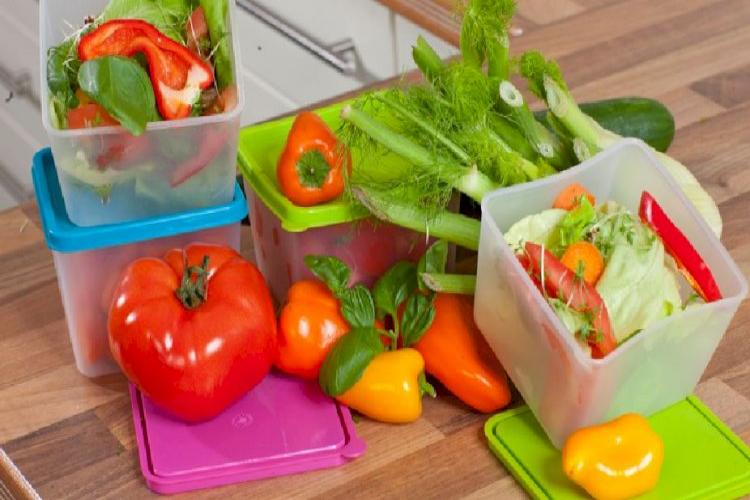
To prevent the fungus from contaminating your food, keep all of your food vacuum-sealed. Food should be kept separate and in containers that are properly sealed. As much air as you can get out of the containers.
To reduce the humidity in your kitchen, periodically ventilate it by opening windows or doors. Any spilled liquid should be cleaned up quickly. During cooking, turn on exhaust fans to reduce the humidity that is produced.
Since fungus requires organic material to live on, keep your kitchen sink clean. The food scraps in the sink may encourage the growth of fungus. Pour sometimes drain cleaning or fungus-killing products like vinegar or bleach down the drain. If there is mould in your sink’s drain, it could assist you get rid of it.
Cutting boards are a great place for mold to develop. The optimal environment for the fungus to thrive is still there while food is being chopped up and minute food particles are present. Cutting boards may be washed with vinegar. Before rinsing, let the vinegar sit for 10 minutes.
After each usage or at least once every day, wash the used dishes thoroughly. It could stop any food leftovers in the plate from developing fungus. Dishes that have fungus developing on them may be cleaned with regular dish soap and water and are then safe to use again.
For fungus to grow, it requires moisture, oxygen, and a certain temperature range. The development of fungus may be slowed or stopped by using heat to remove moisture. Dehydration, which makes food lighter, smaller, and simpler to store and carry, is a process.
The conventional method of canning food will protect it against fungus. Safe canning of many fruits and vegetables is possible. In order to guarantee that all germs are eliminated, canned food products must be boiled for a minimum period of time. With inadequately treated canned goods, the fungus may spread swiftly.
Vegetables and fruits are perishable foods. Such meals are a favorite environment for the growth of mold. Keep an eye out for bad food in areas like fruit trays and the bottom of your refrigerator and get rid of it.
The occurrence of a broad range of metabolic byproducts, which result in bad flavors and odors in addition to obvious changes in color or texture, is a sign that dairy products have been spoiled by fungi. Consume them before the expiration date and keep them in the refrigerator.