


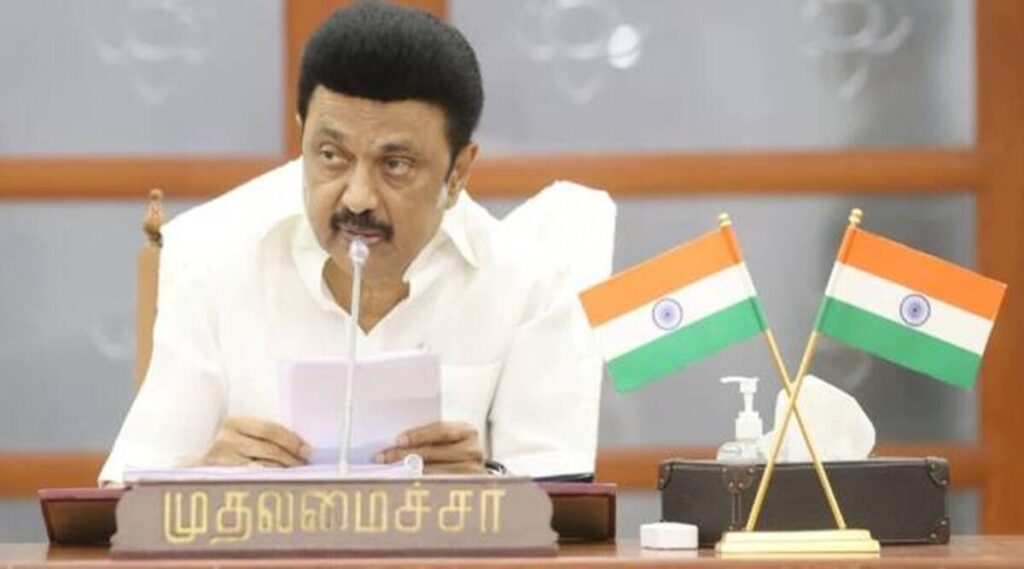
The flagship program of the DMK administration for low-income women, which would provide them a monthly stipend of Rs 1,000, is anticipated to be unveiled on September 15 in honor of former chief minister CN Annadurai.
The Kalaignar Magalir Urimai Thogai, or Kalaignar Women’s Right to Assistance, was a pledge made by the governing party in their platform for the 2021 state assembly elections. Even Makkal Needhi Maiam, the political party of actor Kamal Hassan, has promised to carry out the plan.
The Kalaignar Magalir Urimai Thogai program intends to deposit a monthly payment of Rs 1,000 into the bank accounts of women who are below the poverty line.
PTR Palanivel Thiagarajan, the previous finance minister of Tamil Nadu, announced the plan in the budget for 2023–2024 and provided funding for it in the amount of Rs 7,000 crore. A few days ago, the government issued an order outlining the specifics of who is eligible for the program’s benefits.
The decree said that the program would help more than 1 crore women.
According to a senior government official, the recipient must supply her Aadhaar number, name, ration card number, marital status, phone number, housing information (such as whether she lives in her own home or is renting), district, energy connection number, bank account number, name of the bank, and branch.
A woman must meet certain requirements in order to qualify as a beneficiary, including living below the poverty line, earning less than Rs 2.5 lakh yearly, using less than 3,600 units of electricity, not working for the federal or state governments, and not owning more than 2.5 acres of property.
The lady recipient will also get an application form at her door, which she may complete there and upload along with her fingerprints, according to the government.
A similar program was recently introduced in Karnataka as part of the electoral pledge by the Congress administration there. Tamil Nadu would grant underprivileged women Rs 1,000 per month, while Karnataka has boosted it to Rs 2,000 per month.
A similar program has already been implemented in the states of Chhattisgarh and Madhya Pradesh, and the Punjab government has begun planning to do the same.
Numerous cities are testing out guaranteed income programs among tiny segments of their populations despite the fact that they are sometimes criticized as being too costly to be implemented on a wide scale.
Giving them even a tiny financial boost might help them transition from struggling to flourishing. In Chicago, 500 families are now participating in the largest guaranteed income pilot program in the US, getting $500 per month with no conditions for a full year.