


The key headlines for the Indian banking industry over the last week have been the conclusion of the HDFC-HDFC Bank merger and the announcement of a similar plan of arrangement for IDFC Ltd. and IDFC First Bank.
The conclusion of the HDFC merger, which was anticipated to result in a financial behemoth, signaled a new phase for the company and the Indian banking industry. The combined company is anticipated to rank as the fourth-largest bank in the world in terms of market capitalization. Just two days after this amalgamated company became public, IDFC First Bank announced in a regulatory filing that it intended to merge with its parent company, IDFC Ltd., subject to the permission of various authorities.
Both banks have emphasized how the merger would improve their companies and streamline their operations. While HDFC Bank said the merger would increase financing and help diversify their loan portfolio, IDFC First Bank claimed it would allow shareholders to “unlock” the value of their investment.
These organizations’ merger occurs as regulatory standards for non-banking financial businesses (NBFCs) have changed during the last several years. Both companies mentioned simplifying their regulatory filing procedure as one of the reasons. “[The merger] will also result in the unification and streamlining of the regulatory compliances of both IDFC Limited and IDFC First Bank,” IDFC First Bank said in its petition.
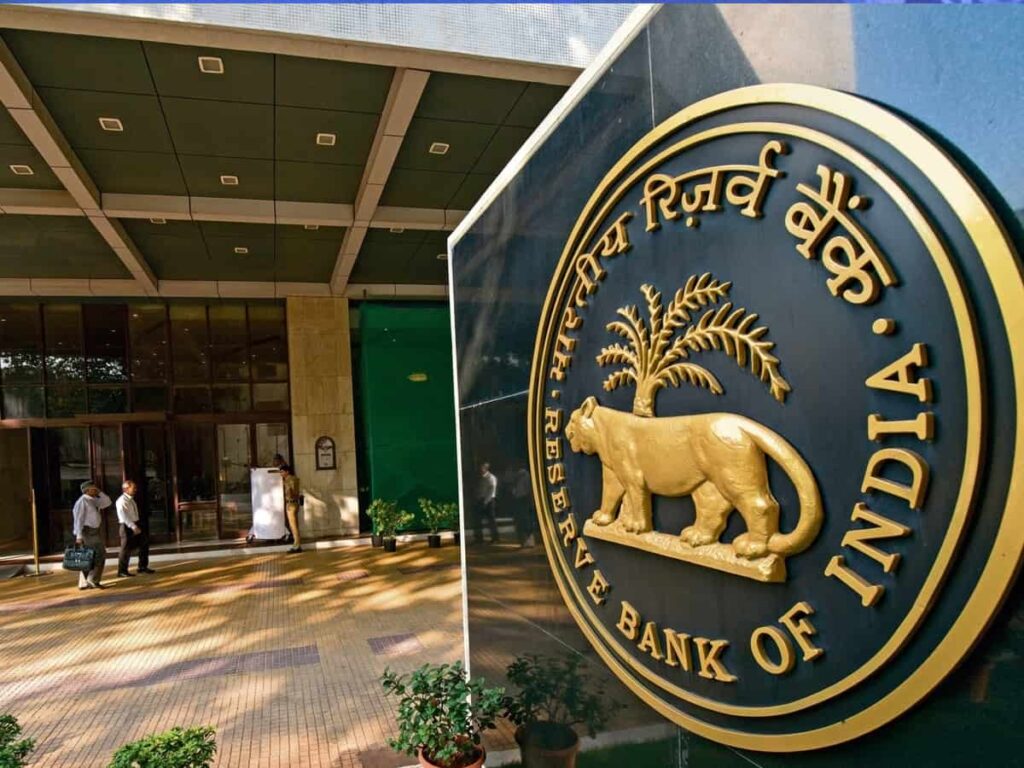
The then-chairman of the mortgage lender said that the tightening of RBI restrictions on NBFCs had provided the last push for the merger when it was announced last year. The idea of two entities merging has been around for some time. The rumors of a potential merger picked up steam in 2014 when an RBI announcement permitted banks to issue long-term bonds to generate money for housing and infrastructure projects. Although the merger did not take place at that time, the news came as the RBI tightened its regulatory oversight of NBFCs.
According to experts, the RBI has been working to align NBFC laws with bank regulations over the last several years since it was thought that the former were less strictly regulated. According to Kaitav Shah, a banking analyst with Anand Rathi Brokerage, the central bank has drastically tightened the rules governing NBFCs. “If we compare banks with NBFCs, banks are often seen as being safer since the RBI serves as a safety net. To increase the oversight of NBFCs, the central bank has now brought both rules into compliance.
After multiple NBFC defaults followed the demise of Infrastructure Leasing and Financial Services (IL&FS), attention was drawn more to the soundness of NBFCs. According to Karan Gupta, Director of India Ratings & Research, the RBI was forewarned by a series of NBFC failures during this period and has subsequently increased its control of NBFCs.
The RBI noted in its Financial Stability Report for 2019 that addressing the losses to the banking system brought on by NBFC failure was essential since the collapse of major NBFCs may result in losses similar to those brought on by big banks. According to RBI, this called for tighter oversight of major NBFCs.
In the past ten years, NBFCs have become more significant in the broader financial environment. A study from Crisil and Assocham dated December 2021 states that from March 2008 to March 2020, the percentage of NBFCs in the entire loan pie rose from 12% to 18%.
The RBI made various adjustments to the way NBFCs were regulated in order to better maintain control. Scale-based restrictions were adopted by the central bank last year, which separated them into four levels depending on their size and activity. Additionally, it has altered how NBFCs engaged in the lending market recognized NPAs. Instead of beginning the 90-day cycle at the end of the month in which the late date occurred, they were instructed to categorize NPAs precisely 90 days after the overdue date.
It is understandable why the former HDFC chairman referred to the RBI’s efforts to strengthen the regulatory environment for these organizations as a “nudge” in order to eventually conclude the merger. According to Shah, it made sense for IDFC to include its non-lending financial operations on the bank’s books rather than create an entirely distinct organization, since this would expedite the company’s regulatory procedure. According to Gupta, who is speaking about simplifying operations, “This message of RBI to simplify organizational structure has been playing out over a period of time to banks and NBFCs as it would help the central bank keep a check on them.”
The effect on companies and shareholders would have been a key element in these corporations’ ultimate decisions to proceed with the merger, experts on the issue emphasize, even though the requirement to streamline regulatory compliances may have been a concern for these firms. Given the stark differences between HDFC and IDFC Ltd as NBFC types, the unique dynamics of each company’s market would also have been important.