


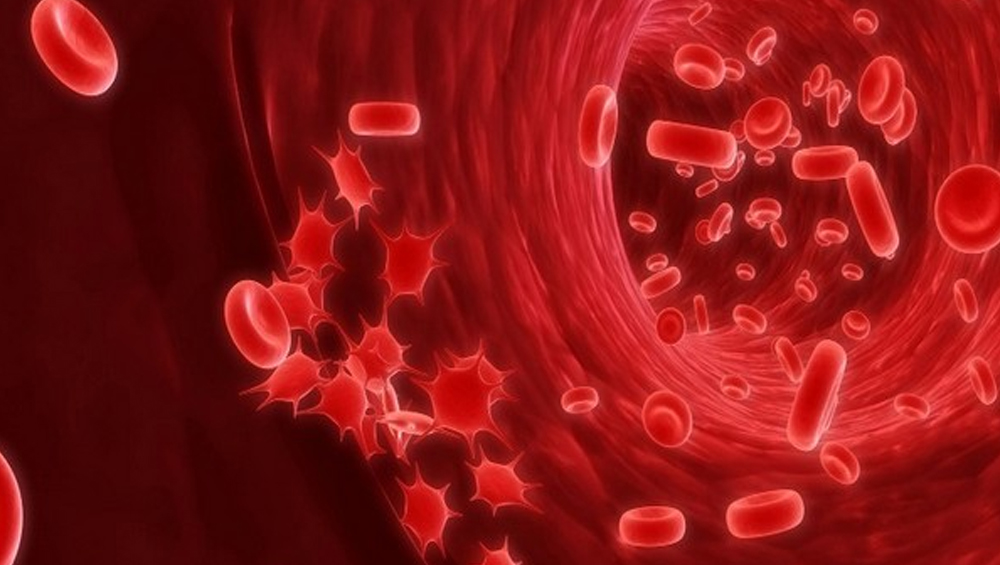
A uncommon hereditary blood condition called thalassemia causes anaemia or a lack of haemoglobin, the protein that transports oxygen throughout the body. The illness has an effect on how well the body can manufacture the healthy red blood cells that transport oxygen throughout the body.
Beta thalassemia (mutations in the HBB gene) and alpha thalassemia (mutations in the HBA1/HBA2 genes) are the two primary kinds of thalassemia. Both conditions are genetic autosomal recessive conditions. With around 42 million beta-thalassemia carriers or those with thalassemia minor status, India is referred to be the thalassemia capital of the world. The precise mutations and level of globin production impairment determine how severe thalassemia is. The anemia-related symptoms of weariness, weakness, shortness of breath, pale skin, and jaundice may occur in people with thalassemia. In extreme circumstances, thalassemia may also result in heart failure, an enlarged spleen, and bone abnormalities. Clinical symptoms and laboratory results revealing high HbF (foetal haemoglobin) on HPLC or electrophoresis are used to make the diagnosis of thalassemia. An effective technique for population screening is HPLC and electrophoresis.
What role do genetic factors play in the generation of healthy red blood cells?
The diagnosis and treatment of thalassemia mostly rely on genetic or DNA-based diagnostics. These tests aid in the precise diagnosis and grading of the condition’s nature and severity. Precision medicine can be used to tailor treatments to a person’s genetic profile, providing a more individualised method of managing this condition. Genetic tests are used for carrier screening and diagnosis, as well as for identifying particular mutations and deletions/duplications associated with thalassemia. Additionally, genetic counselling may assist individuals with thalassemia and their families in making educated choices regarding family size and possible therapies.
Treatment for thalassemia:
Depending on the type and severity of the disorder, effective therapies for thalassemia include blood transfusions and bone marrow transplants. Treatment for thalassemia includes managing side effects such iron overload with oral or subcutaneous iron chelating medications. Beta thalassemia just received approval for the gene treatment Zynteglo.
Thalassemia may be diagnosed and treated in novel and creative ways thanks to genetic diagnostics and precision medicine techniques. These methods could provide Thalassemia patients more individualised and efficient therapies as this area of study develops.