


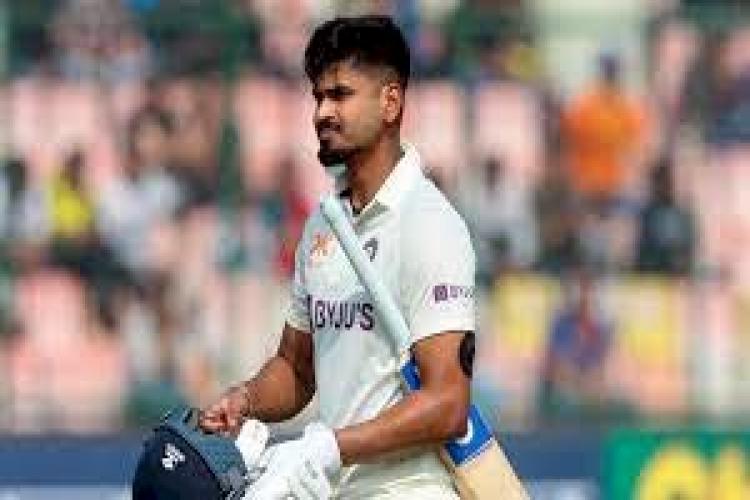
The National Cricket Academy’s (NCA) sports science and sports medicine team, led by former Team India physio Nitin Patel, which oversees the players’ rehabilitation schedule, has once again come under the spotlight as a result of Shreyas Iyer’s lower back injury.
Iyer, a middle-order batsman for India who was injured during the tour of Bangladesh in December and just made it back for the second Test against Australia, may now need surgery. He is the latest player to break down after the NCA pronounced them fit, joining Deepak Chahar, Jasprit Bumrah, and Prasidh Krishna on the list.
As a result of the controversy, it is known that the BCCI is thinking about changing the makeup of the NCA’s sports science and sports medicine section members. Patel became leadership of the NCA in November of last year, but he hasn’t been able to make things better.
Patel, who is said to be close to a powerful Board member, has taken a lot of heat for the systemic flaws. After several of the veterans left, the staff’s ability has also come under scrutiny.
More particular, there seems to be a huge disparity in the recuperation regimens and training methods used by Team India support personnel and NCA. According to insider sources, this issue has resulted from a lack of open communication between all sides, The Telegraph was informed. The Indian team management has also expressed their complaints to the NCA as a result of this.
Proper coordination, according to Ashish Kaushik, the former chief physio of NCA who left his position in 2021 after serving for more than ten years, may end this situation.
“Although injuries are a fact of life for players, injury incidence and injury treatment are two important considerations. There is no method to avoid injuries in any sport, which is referred to as injury incidence.
The NCA is well-equipped with cutting-edge facilities for injury care. It has the necessary number of skilled physicians and physiotherapists. Nevertheless, the NCA is not the only issue. At the local level, we must make sure the appropriate support personnel is available. The IPL support personnel and those at the state level should be included in the coordination as well. According to Kaushik, this will guarantee proper injury treatment and improved coordination.
“The IPL support staff’s goal is different, and they’ve only been there for about two or three months. They just focus on the competition. Because they no longer have the player for the remainder of the year, the responsibility is different.
Kaushik emphasised the significance of the injury management component while posing some crucial questions regarding the effectiveness of the NCA.
“The length of the rehabilitation programme has to be carefully considered. The post-rehabilitation procedure takes place at the NCA or the India team. We must assess the risk of injury management by examining the biomechanics of the players’ movements.
We must determine if our rehabilitation is symptomatic, that is, whether the symptoms are being examined or the underlying causes are being treated. Workload, rehabilitation, or training techniques might be the underlying problem.
“Injuries are not a problem, but disintegrating after therapy and treatment is. The NCA management must investigate it thoroughly. To emphasise the danger of injury to the concerned athletes, we must determine if frequent assessments are being conducted. The need for quarterly screening must be recognised, and once it has been, appropriate preventative steps must be taken.
“The issue still remains: Are players being routinely screened using the NCA infrastructure? To avoid harm, the procedure must be followed continuously and must be impenetrable. The NCA, the National team, the IPL franchises, even at the state level, should all be involved. The procedure can only be deemed comprehensive and failsafe at that point, according to Kaushik.