


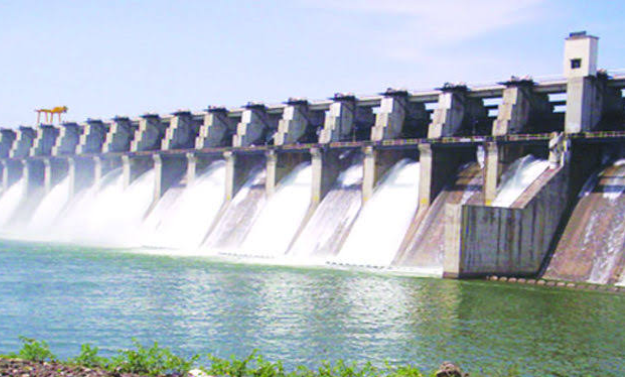
Water Stock in Nashik Dams Declines to 30% Amid Soaring Temperatures
In the midst of scorching temperatures and rising concerns about water scarcity, the Indian state of Maharashtra’s Nashik district is facing a significant decline in the total water stock in its dams. An official from the district irrigation department has reported that the current water stock stands at 30% of capacity, with only 19,522 million cubic feet (mcft) remaining.
The district of Nashik heavily relies on its reservoirs to meet various water needs, including irrigation, drinking water supply, and industrial usage. The prominent Gangapur dam, responsible for providing drinking water to Nashik city, is now holding only 2,329 mcft of water. This alarming figure has raised concerns about the availability of safe drinking water for the city’s residents.
Apart from the Gangapur dam, there are several smaller reservoirs in the region that contribute to the overall water stock. These smaller reservoirs, collectively holding 607 mcft, are also witnessing a drastic decline in water levels. With a significant decrease in both large and small reservoirs, the district is grappling with the consequences of limited water resources.
The impact of declining water stock extends beyond the immediate concerns of water supply. In an agricultural region like Nashik, water scarcity poses a significant threat to crop cultivation and farmers’ livelihoods. Insufficient water for irrigation can severely affect crop yields and disrupt the region’s agricultural sector, leading to potential economic repercussions.
Authorities are now faced with the urgent task of managing the available water resources effectively. Measures such as implementing water conservation strategies, regulating water usage, and exploring alternative sources of water are crucial to mitigate the impact of the dwindling water stock.
Furthermore, it is essential for residents, industries, and agricultural communities in Nashik to adopt responsible water consumption practices. This includes raising awareness about water conservation, practicing efficient irrigation methods, and reducing water wastage in daily activities.
The declining water stock in Nashik’s dams serves as a reminder of the pressing need for sustainable water management and conservation efforts. As temperatures continue to soar, it is crucial for local authorities, communities, and individuals to come together and address this critical issue. Only through collective action and responsible water usage can the district of Nashik mitigate the effects of water scarcity and ensure a sustainable future for its residents.