


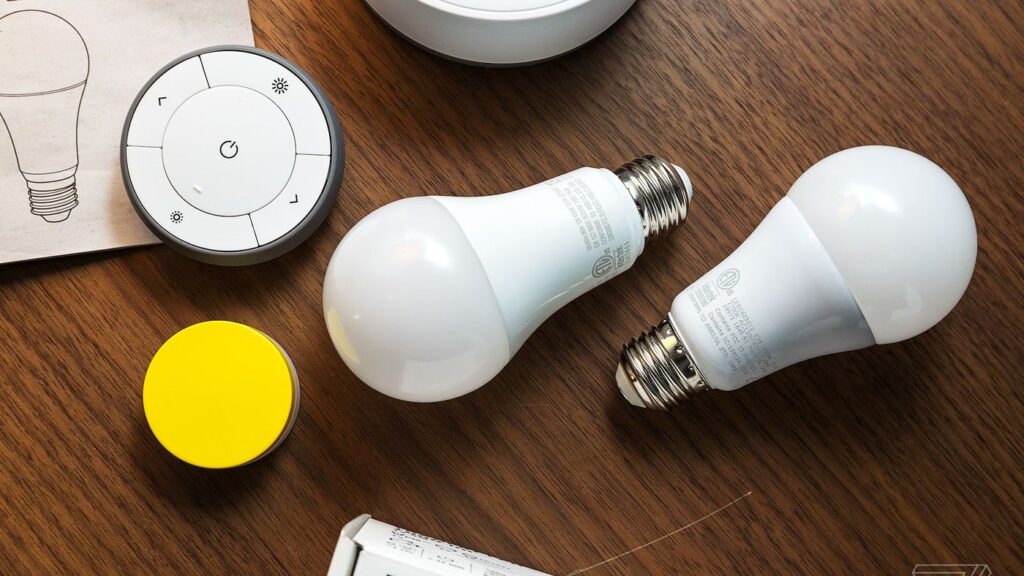
It might be confusing to decide between a conventional LED bulb and a smart LED bulb in today’s quickly expanding world of lighting technology. Although each choice has advantages, which one is the greatest match for your requirements? Let’s explain this issue in more detail.
The Principles of LED Lights
It’s important to comprehend the foundations of LED bulbs before beginning the comparison.
How do LED bulbs work?
A semiconductor device called an LED bulb, or light-emitting diode, produces light when an electrical current flows through it. LEDs are quite popular now because to how energy-efficient and durable they are.
Advantages of Regular LED Bulbs
Let’s look at the benefits of conventional LED lights.
Energy Savings
Standard LED lights have a reputation for being very energy efficient. They use a lot less power than fluorescent or incandescent lights, which lowers your energy costs.
Longevity
LED lights are made to last. You’ll change bulbs far less often with a lifetime of up to 25,000 hours or more.
Eco-Friendly
Because they don’t contain hazardous substances like mercury and produce less carbon dioxide throughout the course of their lives, these bulbs are ecologically beneficial.
Affordability
Traditional LED bulbs are an appealing option for people trying to save money since they are often more affordable than their smart equivalents.
Examining smart LED lighting
Let’s now turn our attention to smart LED lights and what makes them unique.
Smart LED bulbs: what are they?
A technical wonder, wirelessly capable smart LED lights may be controlled by smartphones, voice assistants, or certain applications.
Benefits of Smart LED Lights
Let’s explore the advantages of smart LED lights.
Remote management
One of the biggest benefits is being able to remotely manage your lights. You can easily modify the brightness, hue, and even the timing of illumination changes.
Energy Control
Energy-saving capabilities are often included with smart bulbs, enabling you to monitor and optimize energy use, contribute to a cleaner world, and pay less for power.
Customization
Smart LED lights provide unmatched customisation with their wide range of color choices and lighting effects, creating the ideal mood for every event.
Integration
A linked environment for greater convenience may be created in your home by integrating smart lights smoothly with other smart appliances.
How to Choose the Best Bulb for You
The crucial decision is which one to make right now. It mostly relies on the unique requirements and preferences you have.
Use Cases for Standard LED Bulbs
If You’re on a Budget: For individuals wishing to save money up front, standard LED bulbs are economical and excellent.
Simple: Standard LEDs are the best option if you want a basic, plug-and-play solution without the complications of smart technology.
No Need for Remote Control: A regular LED bulb will suffice if you don’t need automation or remote control capabilities.
Use Cases for Smart LED Bulbs
Smart Home Enthusiasts: Smart LED lights are crucial for easy integration if you’re creating a smart home environment.
Customization: The smart bulb customization choices are unmatched for people who like creating the ideal lighting atmosphere for various occasions.
Energy Management: Smart LED bulbs provide a considerable benefit if you’re concerned with energy efficiency and want to monitor and optimize your energy consumption.
As a result,
The decision between a conventional LED bulb and a smart LED bulb ultimately comes down to your own requirements and preferences. Each choice has advantages and may enlighten your life in a distinctive manner. Keep in mind that what matters most is which option is best for you, not which is better generally.