


























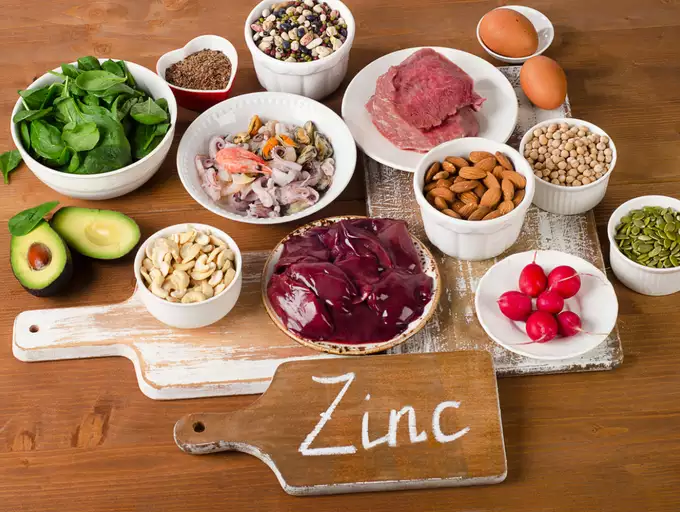
A diet full of necessary nutrients is crucial to our general health and wellbeing. Our entire health and wellbeing are significantly influenced by vitamins, minerals, iron, protein, zinc, and many other nutrients.A vitamin called zinc is present in the body and aids in boosting immunity and accelerating wound healing.
Natural sources of zinc include a broad range of foods from both plants and animals. Your body cannot manufacture the vital mineral zinc. It should be a regular part of your regimen since it supports growth, DNA synthesis, immunological function, and more. Here is a list of foods high in zinc that you may eat regularly to maintain a healthy physique.
Foods High in Zinc You Should Include In Your Diet
1. Legume
One of the healthiest foods on the planet is legumes. They are abundant in nutrients that support a healthy body, including as protein, fibre, carbs, vitamin B, magnesium, manganese, zinc, and copper. Chickpeas are a fantastic source of this vitamin, claims WebMD. A cup of kidney beans provides 0.9 milligrammes of zinc, whereas a serving of chickpeas (100 grammes) has 1.5 milligrammes.
2. Seeds
For a healthy body, seeds are a great source of fibre, important vitamins, monounsaturated fats, polyunsaturated fats, minerals, and antioxidants. Regular consumption of seeds has the ability to lower blood pressure, cholesterol, and sugar levels. According to Healthline, several seeds, including sesame, hemp, pumpkin, and squash seeds, have high zinc content.
3. Dairy Products
Zinc is very abundant in dairy products like yoghurt, cheese, milk, and many others, which further aids in maintaining stronger bones and muscles. Dairy products provide a variety of minerals, including zinc, according to Healthline. The two significant sources are milk and cheese. They are rich in bioavailable zinc, which means that most of it can be absorbed by the body.
4. Eggs
Eggs are a plentiful source of proteins that, when ingested regularly, may satisfy the body’s daily protein needs. According to Healthline, a big egg provides several additional nutrients, such as protein, good fats, B vitamins, selenium, and choline, as well as 4.8% to 6.6% of the DV for zinc.
5. Complete Grains
Phytates, which bind to zinc and hinder its absorption, are present in whole grains including wheat, quinoa, rice, and oats. You may get zinc from whole grains. According to Healthline, the phytates in them may prevent the zinc they supply from being absorbed as well as zinc from other sources.