






















For millions of people worldwide, treating diabetes has emerged as a top priority in the world of health-conscious eating. There is a growing trend toward adding nutrient-rich and low-glycemic foods into regular meals since dietary decisions are vital in managing diabetes. The unassuming “Ragi Khichdi” is one such culinary treasure that has attracted interest. This classic Indian meal is a great addition to the diet of anybody trying to control their blood sugar levels since it not only promises mouthwatering tastes but also has a host of health advantages.
The Ragi Revolution: A Powerhouse of Nutrition
Ragi, commonly referred to as finger millet, is a whole grain that has long been a favorite in Indian homes. It has recently received praise for being a superfood because of its high nutritional profile. Due to its natural lack of gluten, ragi is a great option for those who have celiac disease or gluten allergies. More significantly, it has a low glycemic index, which means that it doesn’t result in sharp increases in blood sugar.
Ragi is a fantastic option for managing diabetes because of a number of factors, including its high fiber content. The digestion and absorption of carbs are slowed down by fiber, minimizing jarring rises in blood sugar levels. Ragi is also abundant in vital elements including calcium, iron, and B vitamins, all of which support general health.
Ragi Khichdi: A Delicious Snack
Ragi Khichdi mixes the benefits of ragi with a mixture of veggies and flavorful spices to create a hearty and nourishing meal. This meal not only satisfies the palate, but it also sustains energy and helps keep blood sugar levels consistent. A basic Ragi Khichdi recipe is provided below:
Ingredients:
Ragi (finger millet) grains, 1 cup
Half a cup of split yellow moong dal
2 cups of chopped mixed veggies (carrots, peas, and beans)
1 medium onion, diced finely
two tomatoes, cut up
Ginger-garlic paste, 1 teaspoon
1/4 cup cumin seeds
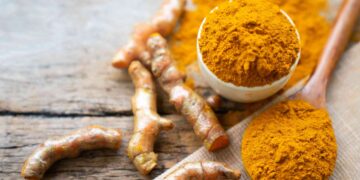
One-half teaspoon of turmeric powder
12 teaspoon dried coriander
Asafoetida (hing): 1/4 teaspoon
two tablespoons of clarified butter, or ghee
Salt as desired
chopped fresh coriander leaves (for garnish)
slices of lemon (for serving)
Method:
Thoroughly wash the ragi grains and moong dal. Give each of them a 30-minute soak in water.
Heat the ghee in a pressure cooker and add the cumin seeds. Add asafoetida and ginger-garlic paste after they begin to sputter. For one minute, sauté.
When the onions are transparent, add the chopped onions and stir.
Add the tomatoes along with the coriander and turmeric powders. Cook the tomatoes until they are tender and the oil starts to separate.
After soaking, drain the ragi and moong dal. Together with the mixed veggies, add them to the pressure cooker. Mix thoroughly.
4-5 cups of water and salt should be added before mixing everything.
Cook the ragi and dal completely for 3–4 whistles or until the pressure cooker is sealed.
Open the cooker after the pressure has naturally subsided, then stir the khichdi gently. To produce the correct consistency, if additional water is required, add it.
Serve the hot ragi khichdi with lemon wedges and fresh coriander leaves as garnishes.
Diabetes Management Using Delightful Food
It’s crucial for those managing diabetes to include meals that lower blood sugar. A delicious alternative that blends flavor and health is ragi khichdi. It is a fantastic option for controlling blood sugar levels because to its low glycemic index and high fiber content. The meal is also loaded with nutrients that support general health, making it a beneficial addition to a diabetes-friendly diet.
Understanding how nutrition affects treating diabetes has become crucial as the globe struggles with the condition’s growing prevalence. Ragi Khichdi is a ray of hope since it provides a delicious remedy that everybody can enjoy, regardless of whether they are controlling their diabetes. It is a fantastic illustration of how traditional food can satisfy contemporary dietary demands thanks to its flavorful combination of ingredients and health advantages.
A modest move like adding ragi khichdi to one’s diet may have a big impact on managing diabetes. This meal has the power to alter how people approach their paths toward wellbeing because to its wealth of advantages and delicious flavor. Why then wait? Enter your kitchen and set off on a culinary journey that honors both history and creativity while also moving you closer to a healthier future.