


























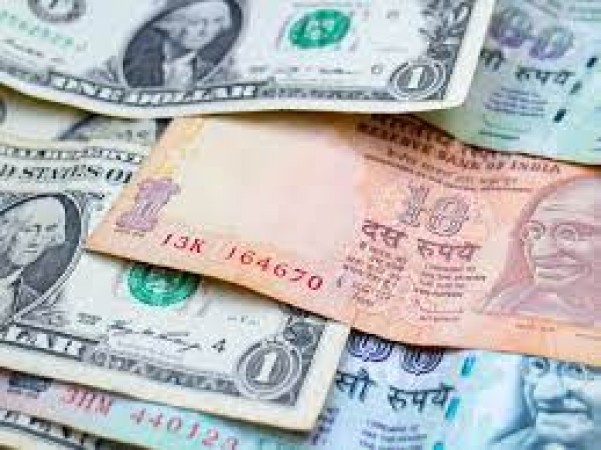
The Indian Rupee has shown impressive strength by strengthening against the US Dollar. The general public, investors, and economists have all taken notice of this unanticipated change. This article explores the causes of this appreciation, its effects on different industries, and what it implies for the Indian economy overall.
The Motivators of Appreciation
More positive economic indicators
The robustness of the Indian economy has been essential to the rise of the rupee. Investor confidence has been bolstered by improved GDP growth, more foreign direct investments, and a strong manufacturing sector. The demand for the Indian Rupee has increased as a result of these increases in economic indices.
Consistent Monetary Policy
The conservative monetary policies of the Reserve Bank of India (RBI) have considerably aided the rupee’s rise. The RBI has promoted a favorable environment for investment by maintaining a steady interest rate environment and successfully controlling inflation.
Dynamics of exports and imports as they relate to trade and commerce
A higher rupee may lower the cost of imports, but it can make it harder for Indian exporters to earn a profit. As their goods grow comparatively more costly on the global market, exporters may have challenges with competitiveness. On the other side, the less expensive imports may benefit consumers and domestic businesses.
Travel and international investment
A higher rupee may be advantageous for the travel and tourism sector. India may be more cost-effective for international visitors, resulting in an increase in foreign visitors. The rise of the rupee may also make Indian assets attractive to overseas investors.
The Situation of the Financial Market
Stock Market Results
The strengthening of the rupee has been well received by the stock market. Stock prices have risen as a result of improved market mood and increasing capital inflows. Particularly well-off industries include manufacturing, pharmaceuticals, and technology.
Exchange-rate reserves
The Indian Rupee’s appreciation increases the nation’s foreign exchange reserves. This strengthens India’s capacity to fulfill its international responsibilities and acts as a buffer against foreign shocks.
Consequences for the Average Person Inflation and Consumer Goods
By lowering the cost of imported products, a stronger rupee might help control inflation. Consumers who have been struggling with increasing costs might benefit from this.
Remittances
A higher rupee would increase the buying power of remittances for the Indian diaspora living overseas. The economy could benefit from this as disposable income rises. The recent strengthening of the Indian Rupee versus the US Dollar is a proof of the nation’s strong economy and effective monetary policy. Although there is no denying the good effects on industries like tourism and foreign investment, there are still issues with the export industry that need to be resolved. With this change, India has the chance to improve its standing internationally and promote a path of balanced economic development.