


























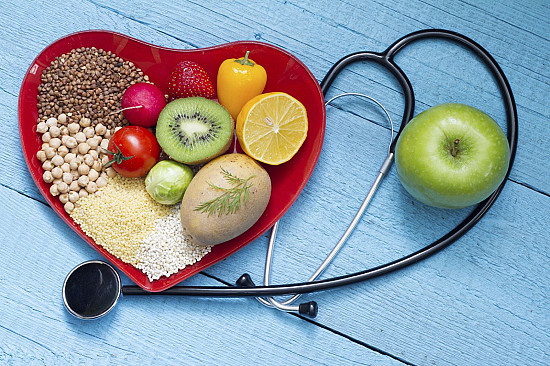
To create healthy cells and hormones as well as carry out several essential bodily processes, our body requires cholesterol. Knowing your cholesterol levels is crucial for reducing your risk of heart disease. In human bodies, there are two types of cholesterol: good cholesterol (HDL) and bad cholesterol (LDL). Heart problems may be caused by high amounts of cholesterol entering the arterial wall and forming hard deposits. Here are some lifestyle adjustments you must make in order to maintain healthy cholesterol levels.
1. Reduce Saturated Fats
Saturated fats, sometimes known as “bad fats,” are present in meals derived from animals, such as beef, hog, chicken, and full-fat dairy products. The Mayo Clinic states that saturated fats might increase your overall cholesterol. You may lower your low-density lipoprotein (LDL), or “bad” cholesterol, by consuming less saturated fats.
2. Increase Soluble Fibre
In addition to dissolving readily in water, soluble fiber also degrades in the colon into a gel-like material. These fibers may lessen the bloodstream’s absorption of cholesterol. Beans, barley, apples, oats, avocado, broccoli, chia seeds, and sweet potatoes are a few of the top dietary sources of soluble fiber.
3. Whey Protein
Whey, the liquid milk component that separates from the curds while producing cheese, is the source of whey protein. Your diet’s nutritional content is increased by whey protein, which also strengthens your immune system. According to the Mayo Clinic, whey protein taken as a supplement decreases blood pressure, LDL cholesterol, and total cholesterol.
4. Omega-3 Fatty Acids
Omega-3 fatty acids, sometimes referred to as good fats, are an immensely nutritious ingredient that must be included in your daily diet. According to the Cleveland Clinic, omega-3 fatty acids aid in triglyceride reduction. Your risk of atherosclerosis, which in turn raises your risk of heart disease and stroke, is increased by having too many triglycerides in your blood (hypertriglyceridemia).
5. Eliminate Trans Fats
Heart disease, the number one killer of adults, is increased by a diet high in trans fats. According to the Mayo Clinic, eating extra trans fats increases the chance of developing heart and blood vessel disease.