

























Air pollution is a major issue that impacts both our environment and our health in the fast-paced world of today. Even while it’s difficult to totally avoid contaminated air, there are things we can do to safeguard our lungs. This article will examine the ways in which certain foods may support lung health and prevent lung illnesses.
Comprehending Air Pollution’s Effects
Prior to exploring the foods that support lung health, let’s understand how detrimental air pollution is to our respiratory system.
The Air Pollution Risks
The adversary of the air is quiet but deadly: air pollution. It may result in a number of health concerns, especially lung-related ones. Long-term exposure to air pollution may have detrimental effects on your health, so it’s important to be aware of the risks.
Common Health Problems Air Pollution Causes
Infections of the Respiratory System: Air pollution may raise the risk of respiratory disorders including pneumonia and bronchitis. Polluted air contains microscopic particulate matter, which may readily enter your respiratory system and increase your risk of illness.
Asthma: It might exacerbate symptoms and cause bouts of the disease. Air pollution may be a powerful irritant for those who have asthma, increasing airway inflammation and increasing the frequency of asthma episodes.
Long-term exposure to air pollution is recognized as a risk factor for developing chronic obstructive pulmonary disease, or COPD. A variety of lung diseases, including emphysema and chronic bronchitis, are included in COPD, which is often made worse by breathing in contaminated air continuously.
The Significance of Diet in Lung Health
Maintaining a nutritious diet is just as important as reducing exposure to air pollution, even with the use of masks and air purifiers. A nutritious diet helps strengthen your body and lessen the negative impacts of air pollution.
Antioxidants: What Makes Them Important
How Do Antioxidants Work? Compounds known as antioxidants aid in shielding our cells from the harm that free radicals—which are prevalent in contaminated air—cause. These free radicals have the potential to damage lung tissue and hasten lung aging.
The Need for Antioxidants: Eating a diet high in antioxidants is necessary due to the presence of free radicals in contaminated air. Antioxidants aid in the neutralization of these dangerous chemicals, stopping cellular damage from occurring.
H3: Antioxidant-Rich Foods
These foods are high in antioxidants and help strengthen your lungs to protect you from the damaging effects of air pollution. You can assist your body fight against the oxidative stress brought on environmental pollution by include these items in your regular diet.
Berries: Antioxidants abound in blueberries, strawberries, and raspberries. These colorful fruits are full of substances with strong antioxidant qualities, such as anthocyanins. Your body may get a spectrum of antioxidants by eating berries to help fight oxidative stress.
Dark Leafy Greens: Swiss chard, spinach, and kale are great options. These leafy greens are a great source of vitamins A and C, which are important for lung health, among other minerals. They also contain a lot of chlorophyll, which aids in the body’s detoxification.
Nuts and Seeds: A good source of antioxidants include almonds, walnuts, and flaxseeds. Nuts and seeds contain important fatty acids, such as omega-3s, in addition to antioxidants. By reducing lung inflammation, these beneficial fats may counteract the pro-inflammatory effects of contaminated air.
Fatty Acids Omega-3 for Lung Health
The Advantages of Fatty Acids Omega-3: Because of their anti-inflammatory qualities, omega-3 fatty acids may be able to lessen pollution-induced lung inflammation. These vital fatty acids have been linked to better lung function and are well known for their anti-inflammatory properties.
Sources of Omega-3 Fatty Acids: Eating a diet high in foods high in omega-3 fatty acids may benefit lung health. These are some places where you may get these healthy fatty acids:
Sardines, mackerel, and salmon are excellent sources of fatty fish. These types of fish from cold water are rich in omega-3 fatty acids, namely EPA and DHA. Frequent ingestion of fatty fish has been shown to help lower airway inflammation.
Chia Seeds: Omega-3s abound in these small seeds. Chia seeds are a flexible dietary supplement. To enhance your consumption of omega-3 fatty acids, you may sprinkle them over cereal, yogurt, or add them to smoothies.
A spoonful of flaxseed oil per day may have a significant impact. Alpha-linolenic acid (ALA), an omega-3 fatty acid derived from plants, is abundant in flaxseed oil. You may add it to your favorite foods or use it as a salad dressing to get an omega-3 boost.
Vitamin C and Its Ability to Boost Immunity
Vitamin C’s Significance: Vitamin C is well-known for bolstering the immune system. An adequate intake of vitamin C may improve lung health as well as aid your body fight against infections.
Vitamin C-Rich Foods: Include these foods high in vitamin C in your diet to support the health of your lungs:
Oranges: A traditional way to get your vitamin C. Oranges are a fantastic source of vitamin C in addition to being a tasty and revitalizing snack.
Remarkably, red bell peppers have more vitamin C than oranges. Vitamins A, C, and other antioxidants found in red bell peppers are powerful nutrients that support lung health.
Tropical fruits like guavas are a great source of this important vitamin. A less common, yet highly rich, source of vitamin C are guavas. For the health of your lungs, they are a great complement to your diet.
Use Turmeric to Liven Up Your Diet
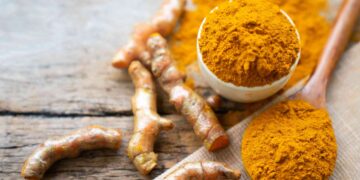
Turmeric’s primary ingredient, curcumin, has antioxidant and anti-inflammatory qualities. Due to its many health advantages, traditional medicine has been using this spice for generations.
How to Use Turmeric: Try incorporating these suggestions into your meals:
Golden Milk: A warm, calming beverage made with milk, spices, and turmeric. Turmeric’s anti-inflammatory properties are combined with the calming qualities of golden milk.
Roasted Vegetables with Turmeric: Enhance taste and improve your meals. Adding a dash of turmeric to roasted veggies improves flavor and strengthens lungs.
Drinking Water and Herbal Teas to Stay Hydrated
The Importance of Hydration: Drinking enough water may aid in the body’s removal of toxins, especially those breathed in via contaminated air. Staying hydrated is essential for keeping your respiratory system’s mucous membranes, which serve as a barrier against toxins, in good condition.
Herbal Teas for Lung Health: Herbal teas may be a soothing and advantageous option in addition to water. The following herbal teas may support the health of your lungs:
Tea with peppermint leaves: Calming and improves breathing. In the event that you have lung congestion, peppermint tea may help. Its menthol component facilitates better breathing by widening airways.
Ginger tea has the ability to reduce inflammation. Ginger may improve the health of your lungs because of its anti-inflammatory and antioxidant qualities. In addition, it’s a cozy and toasty option for the winter.
Protecting your lung health is crucial in a society where air pollution is a serious problem. Even if you can’t totally prevent contaminated air, you can strengthen your body by eating the correct meals. Key strategies to promote lung health include consuming foods high in antioxidants, omega-3 fatty acids, vitamin C, curcumin, and maintaining a healthy fluid balance.