









The Trust has released all the information regarding the pre-Pran Pratishtha ceremony of the Ram Mandir and the much-awaited auspicious event, in the midst of growing excitement and spiritual hunger for Bhavya and Divya Ram Mandir Pran Pratishtha on January 22.
These facts were disclosed by the trust via its official X handle as well, according to Secretary General Shri Ram Janmbhoomi Teerth Kshetra Champat Rai, during a news conference on January 15.
Event Date and Location: According to information from the Trust, Paush Shukla Kurmadwadashi, Vikram Samvat 2080, is approaching and is the auspicious Praan-Pratistha (consecration) yoga of the Deity of Bhagwan Shri Ram Lalla, the five-year-old Bal Swaroop of Shri Ram.
Scriptural Protocols and Pre-Ceremony Rituals: The Praan-Pratistha programme will take place in the Abhijeet Muhurta in the afternoon, adhering to all Shaastriya (scriptural) protocols. The official pre-Pran Pratistha sacrament procedures will begin tomorrow, January 16, and last through January 21, 2024.
The following are the Dwadash Adhivas protocols:
January 16: Karmakuti Poojan and Prayaschitta
January 17: Murti’s Parisar Pravesh
January 18 (evening): Jal Yatra, Teerth Poojan, Jalaadhivas, and Gandhadhivas
January 19 (morning): Kesaradhivas, Ghritadhivas, and Aushadhadhivas
The evening of January 19: Dhanyaadhivas
January 20 (Monday): Phalaadhivas, Sharkaradhivas,
The evening of January 20, Pushpadhivas
21st January (Morning): Madhyadhivas 21st January (evening): Shaiyadhivas.
Acharyas and the Adhivas Protocols: In the Pran Pratistha ritual, there are typically seven Adhivasas, and at least three of them are in active practice. The rites will be performed by 121 Acharyas. Shri Ganeshwar Shastri Dravid Ji will oversee, coordinate, anchor, and direct all Anushthan activities, with Shri Luckshmikant Dixit of Kashi serving as the primary Acharya.
Different Groups: The Pran-Pratistha ceremony at the Bhavya Shri Ram Janmabhoomi Mandir will be seen by Acharyas from all schools of Bharatiya spiritualism, religion, sect, system of worship, tradition, and Sants from over 150 traditions, including Mahamandaleshwars, Mandaleshwars, Shrimahants, Mahants, and Nagas, as well as important people from over 50 Adivasi, Girivasi, Tatavasi, and Dwipavasi tribal groups.
Historical Tribal Representation: In recent Bharat history, this is the first time that people from the hills, forests, coastal belts, islands, etc. are representing tribal customs. It will be the first of its kind.
Shaiva, Vaishnav, Shaakta, Ganapatya, Patya, Sikh, Bauddha, Jain, Dashnam, Shankar, Ramanand, Ramanuj, Nimbarka, Madhva, Vishnu Nami, Ramsanehi, Ghisapanth, Garibdasi, Gaudiya, Kabirpanthi, Valmiki, Shankardev (Assam), Madhav Dev, ISKCON, Ramakrishna Mission, Chinmaya Mission, Bharat Sevashram Sangha, Gayatri Parivar, Anukul Chandra, Thakur Parampara, Mahima Samaj of Odisha, Akali, Nirankari, Namdhari from Punjab, Radhasoami and Swaminarayan, Varkari, Veer Shaiva, and so on.
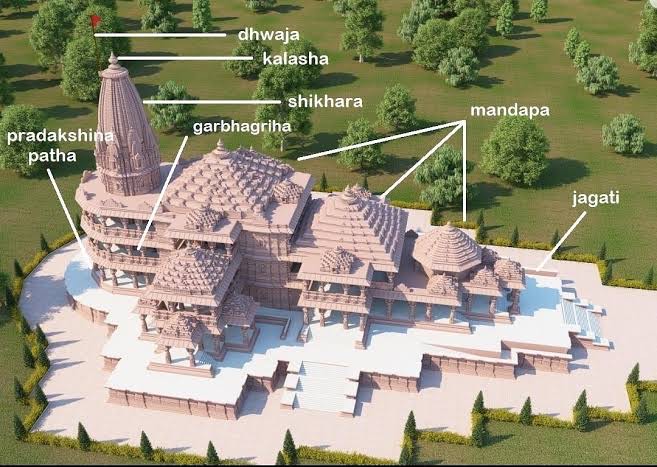
Darshan and Celebration: Each witness will receive their own darshan following the conclusion of the consecration ceremony in the Garbha-Griha (sanctum sanctorum). There is a contagious excitement around the consecration of Shri Ram Lalla. It has been decided to commemorate it throughout Bharat, including Ayodhya, with great fervour. People from various states constantly bring water, dirt, gold, silver, stones, clothing, jewellery, large bells, drums, aroma/fragrance goods, etc. in the lead-up to the consecration ritual. The most notable among them were the Bhaars (gifts sent at the time of setting up a daughter’s house) sent from Maa Janaki’s maternal homes at Janakpur (Nepal) and Sitamarhi (Bihar), which a large number of people carried to Ayodhya, and also gifts of different types of jewellery, etc., offered by the Nanihal (maternal grandmother’s place of Shri Ram) at Raipur, Dandakaranya area.
A call to all devotees of Ram:
During the press conference, the Shri Ram Janmbhoomi Teerth Kshetra extended an invitation to all Bharatvanshi Brothers and Sisters and Ram Devotees across India and overseas to adorn the temples in their locality on January 22, 2024, which falls on the same day as Shri Bhagwan’s Pran-Pratishtha ceremony in Ayodhya. Additionally, they were asked to conduct bhajan, puja, kirtan, and aarti (service of light) in accordance with the temple’s deity’s worship rituals.
It is recommended that a group of people watch the Prana-Pratistha programme together on a movie screen. All of these should come before cleaning and ensuring proper hygiene in the surrounding temples. On the evening of January 22, homes should chant Jai Jai Shri Ram and light Ramjyoti (Panchdeepak) in honour of Shri Ramlala.
Shubh Mangal Dhwani is being held there for about two hours to charge the atmosphere and every atom of the place with auspiciousness on the auspicious and historic occasion of the Pran Pratistha ceremony Shri Ram Lalla in His Temple of Nativity at His Place of Avataran/Incarnation in Ayodhya, the Trust added. The ceremony takes place from 10 a.m. until just before the Pran Pratishtha Muhurta.
An extensive ceremony of Mangal Dhwani is being performed in front of the god to radiate joy, auspiciousness, and vitality, in accordance with the details provided by the Trust. This elaborate ritual follows the custom and protocol of our Bharatiya culture to divinize any auspicious work, rite, or festival. Every Bharatiya has been proud of this dedication of Bhagwan Shri Ram Lalla for generations. In front of Shri Ram Lalla, we will perform traditional music on instruments from different states and regions of India.
In Ayodhya, Pratistha Mahotsav will come to an end with the sacred playing of twenty-five rare and distinguished musical instruments from various states. It will be performed by accomplished musicians who play such instruments. The following are the names of these states and the primary tools they use:
Uttar Pradesh: Dholak, Flute, and Pakhawaj
Veena from Karnataka
Rajasthan, Sundari
Algoza, Punjab
Mardal, Odisha
Santur, Madhya Pradesh
Manipur – Pung
Kali and Assam’s Nagada
Tambura, Chhattisgarh State
Pakhawaj, Bihar
Delhi to Sehnai
Ravanhattha, Rajasthan
West Bengal: Sarod and Shri Khol
Ghatam, Andhra Pradesh
Jharkhand: Sitar
Santaar, Gujarat
Tamil Nadu: Mridangam, Tavil, and Nagaswaram
Uttar Pradesh (Hudkaa)
This Mangal Dhwani (auspicious instrumental music recital or ensemble) is directed and choreographed by Yatindra Mishra, a well-known writer and specialist in Ayodhya culture and artists. He has worked in collaboration with the Kendriya Sangeet Natak Academy in New Delhi on this project.
Honourable visitors:
The Honourable Prime Minister of India, Shri Narendra Modi, Rashtriya Swayamsevak Sangh Sarsanghchalak Mohan Bhagwat, Governor of Uttar Pradesh, Madam Anandiben Patel, Chief Minister of Uttar Pradesh, Yogi Adityanath Maharaj, and other dignitaries will be present for the Ram Mandir Pran Pratishtha.