
























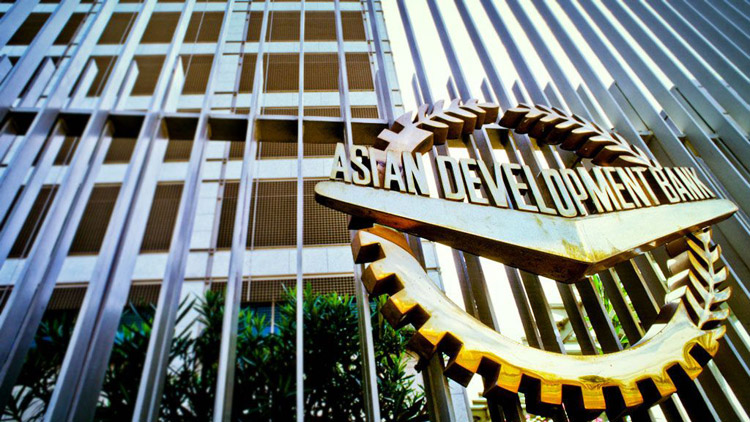
On Monday, the Asian Development Bank (ADB) authorised a USD 350 million special policy-based loan for Sri Lanka to help stabilise its economy. However, the ADB cautioned that the cash-strapped nation faced a difficult path to recovery.
The International Monetary Fund’s (IMF) Extended Fund Facility for the country serves as the centrepiece of a larger package of financial support, the Manila-based ADB said in a statement.
After being shaken by a terrible economic crisis last year, the IMF has offered Sri Lanka, which is heavily in debt, a bailout facility of around USD 3 billion to assist stabilise the nation’s economy.
“Sri Lanka is now experiencing a terrible and unheard-of economic catastrophe. High inflation has reduced buying power, impacted livelihoods, and reversed previous development achievements, according to a statement from the ADB.
Debt-ridden Sri Lanka, which is still working to restore normalcy to its battered economy after declaring its first-ever debt default in April of last year, is aiming for an end-of-year inflation rate of under 10 percent.
ADB President Masatsugu Asakawa said, “ADB is concerned about the deep crisis in the country and its impact on the people of Sri Lanka, especially the poor and the vulnerable, particularly women.”
In order to help Sri Lanka handle its current issues and make progress towards economic stability, sustainable recovery, and inclusive development, he stated, “ADB is committed to standing with Sri Lanka.”
“To address the root causes of both domestic and external imbalances and get back on a sustainable debt trajectory, Sri Lanka has started enacting major reforms. The statement said, “The nation has a long road to recovery and must stay firm in implementing required changes.
It will be essential to communicate openly and transparently in order to foster consensus on the changes. According to the statement, ADB will actively collaborate with the government, other stakeholders, and development partners to assist resolve structural barriers and prepare future support.
Sri Lanka implemented tough structural changes as part of the IMF bailout package to solve the economic crisis, some of which have encountered political opposition.
The ADB said that throughout the crisis, it has backed Sri Lanka’s reaction.
“In 2022, ADB provided emergency assistance to support essential services and maintain livelihoods in close collaboration with development partners. As an emergency measure, the ADB repurposed USD 334 million of pre-existing loans to assist the import of necessary goods such fertiliser, pharmaceuticals, chemicals for water treatment, working capital for small and medium-sized firms, and cash transfers to the most vulnerable and needy people, according to the bank.
It also said that imports of necessities during the crisis were supported by trade financing lines under the ADB Trade and Supply Chain financing Programme.
Official data indicates that Sri Lanka has a total debt of USD 83.6 billion, of which USD 42.6 billion is domestic debt and USD 42 billion is foreign debt.
Sri Lanka’s debt restructuring project, according to President Ranil Wickremesinghe, would be finished by September of this year, and the country’s insolvent economy will be stabilised. Additionally, he pledged that talks on restructuring both domestic and foreign debt will be finished by July or August 2023.
Sri Lanka had its biggest economic crisis since gaining independence from Britain in 1948 in April 2022. This crisis was brought on by currency shortages that led to widespread public outcry.
Mid-July saw the overthrow of the previous president, Gotabaya Rajapaksa, after months of mass demonstrations. Rajapaksa began IMF talks after declining to ask the international lender for assistance.