



















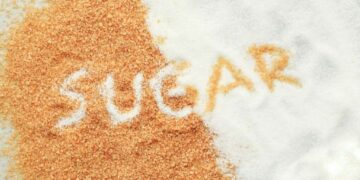


According to a recent research from the University of Missouri School of Medicine, Western diets high in fat and sugar are the primary contributor to both the development of non-alcoholic fatty liver disease and chronic liver disease.
Our knowledge of the gut-liver axis has improved as a consequence of the research, which was conducted at MU’s Roy Blunt NextGen Precision Health Building. This has helped us create nutritional and microbial therapies for this danger to world health. It found the microbiological and metabolic factors that Western diet-induced liver damage.
“We’re only beginning to appreciate how diet and gut microbiota interact to generate substances that contribute to the development of liver disease,” said Guangfu Li, PhD, DVM, associate professor in the departments of surgery and molecular microbiology and immunology and co-principal investigator. Yet, the involvement of certain bacteria and metabolites, let alone the underlying processes, remained unknown until recently. This research is revealing the how and why.”
The liver and intestines are physically and physiologically connected through the portal vein. Poor diets change the gut flora, which allows pathogenic agents to harm the liver. The study’s investigators discovered that mice given diets rich in fat and sugar generated the gut bacterium Blautia producta as well as a lipid associated to liver fibrosis and inflammation. As a consequence, the mice started to show signs of non-alcoholic steatohepatitis, often known as fatty liver disease.
Professor of surgery Kevin Staveley-O’Carroll, MD, PhD, one of the lead investigators, stated: “Fatty liver disease is a worldwide health concern.”
Not only is it a major cause of cirrhosis and liver cancer, but many of the patients I treat for other malignancies also unknowingly have fatty liver disease. A lot of the time, this hinders people from getting potentially curative surgery for their other tumors.
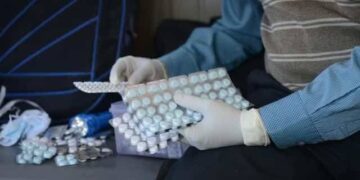
In this study, the researchers looked at the possibility of giving the mice an antibiotic cocktail via water consumption. They found that the antibiotic medication reduced liver lipid deposition and lipid buildup, which reduced the prevalence of fatty liver disease. These results suggest that antibiotic-induced alterations in the gut microbiota might lessen inflammatory responses and liver fibrosis.