























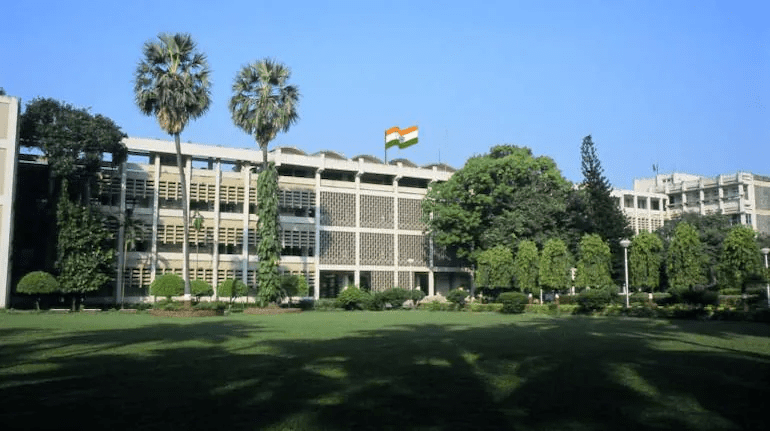
IIT Bombay (Indian Institute of Technology-Bombay) has received Rs 160 billion from an unidentified benefactor. This is the first occasion in the history of IIT Bombay that a donor has been anonymous. According to media reports, the check was handed by an unnamed IIT Bombay alumni with the proviso that it remain confidential. The unidentified alumni wishes to give money to build a Green Energy and Sustainability Research Hub on the campus, according to IIT Bombay officials.
IIT Bombay may more clearly express its stance in the battle against climate change by making this donation, according to the Institute. According to a statement from the Indian Institute of Technology-Bombay, the hub would be located in a cutting-edge academic building on the IIT Bombay campus in the Powai region and will concentrate on extending vitally important sectors. The IIT Bombay administration has evaluated the areas where the funds from an anonymous alumnus would be utilised in its release.
According to the administration of Indian Institute of Technology-Bombay, areas of focus include analyzing climate risks and developing workable mitigation measures, preparing for climate change, and undertaking rigorous environmental monitoring. The center also intends to encourage the use of renewable energy sources and energy-efficient technology.
Research in many crucial areas, including battery technology, solar photovoltaics, biofuels, clean-air science, flood forecasting, and carbon capture, will be assisted by the Indian Institute of Technology-Bombay. The research center would support strategic alliances with foreign institutions and companies and provide educational training tailored to the demands of the sector, according to the IIT Bombay administration’s proposal.
When IIT Bombay is grappling with budget constraints and borrowing money from the Higher Education Financial Agency (HEFA) to support growth, the unexpected gift materializes. With the gifts, the campus’s Green Energy and Sustainability Research center (GESR) will get off the ground. With part of it going toward creating new infrastructure, the bulk will be put aside for research.