
























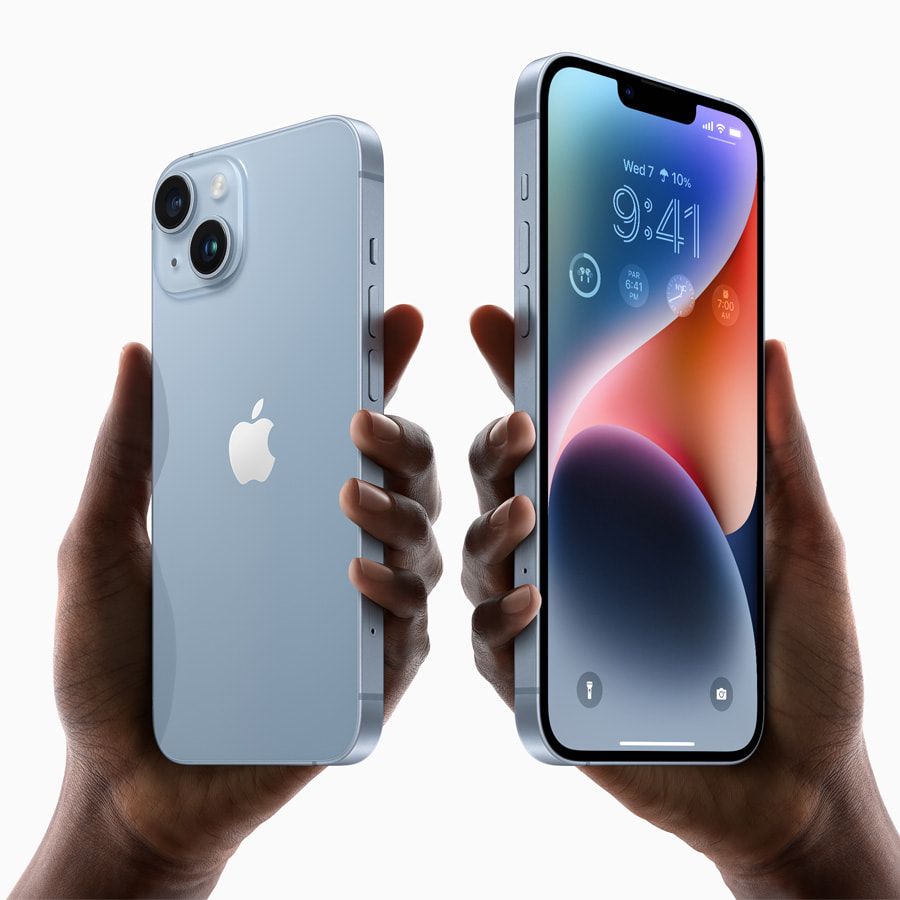
When the iPhone 14 was first released last year, Apple gave out a new service to all of its customers for free. This year, the firm has chosen to continue the free offering. As you may remember, the firm promised that purchasers of an iPhone 14 would get two years of its Emergency SOS service, which enables users to contact emergency services even in the absence of a network.
It’s intriguing that Apple has chosen to extend the satellite-based communication service by a year, making it a three-year service that iPhone 14 purchasers would get at no cost. Needless to mention, the functionality and expanded support are also available for the iPhone 15 models.
That being said, Apple has established some requirements for continuing the free service. According to the firm, in order to get the free one-year extension of the SOS service, you must have activated your iPhone 14 before 12 a.m. PT on November 15, 2023, in a nation where the service is genuinely accessible.
Among the nations where Apple offers the SOS satellite technology are the US, UK, Australia, Belgium, Canada, Germany, Ireland, and Spain. Since the impacted individuals were able to get emergency services thanks to satellite connection, Apple believes that the SOS service has already assisted a large number of iPhone users in being rescued. Most of the people who have benefited from the service have either lost connection to the network on their iPhones in distant areas of the globe or been caught in a natural disaster.
A key infrastructure supporting Emergency SOS via satellite was developed by Apple with an investment of $450 million; this feature was first presented with the iPhone 14 versions last year. To provide the functionality, Apple is using resources and satellite technology from Globalstar.
Many of us had anticipated that the business would reveal the service’s price, but the postponement indicates that Apple will likely need more time to expand its distribution, which would support a service charge.
With this functionality, which was meant to be a part of the Android ecosystem by now, Apple has the early edge. Qualcomm, on the other hand, hasn’t seen the adoption it had anticipated and was recently forced to sever its satellite service agreement with Iridium.