


























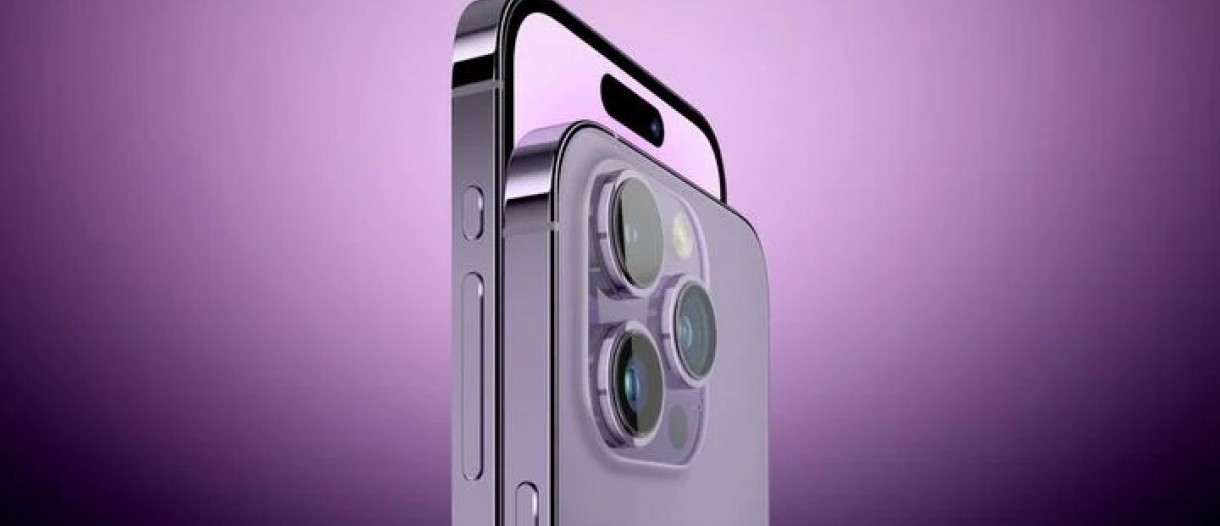
The newest iPhone 15 series, the iPhone 15 Pro, is scheduled to debut in September 2023, and it has been stated that Apple supplier Cirrus Logic has verified that solid-state buttons would no longer be present.
The business said in a letter to shareholders that a new product that was supposed to go on sale this autumn is no longer anticipated to do so. According to MacRumors, this item is commonly thought to be the iPhone 15 Pro’s solid-state buttons.
The iPhone 15 Pro versions would have included two more Taptic Engines that gave haptic input when the solid-state buttons were pushed, according to a prior revelation by Apple analyst Ming-Chi Kuo. However, recent remarks from Cirrus Logic imply that the company would no longer provide associated parts for the gadgets.
Apple, which accounted for 79% of Cirrus Logic’s sales in the fiscal year 2022, is the company’s top client, claims MacRumors. Analysts consider the supplier’s most recent remarks to be a formal confirmation of the iPhone 15 Pro’s lack of solid-state buttons. Instead, conventional buttons that respond to pressure are anticipated on the gadgets.
The Ring/Silent switch will reportedly still be replaced with a button, which may be programmable like the Action button on the Apple Watch Ultra.
Since the initial iPhone model in 2007, the Ring/Silent option has been a standard component. Removing it would be a huge move. The changeover is still anticipated for the ordinary iPhone 15 and iPhone 15 Plus models, thus it is anticipated that this modification will only apply to the iPhone 15 Pro versions.
Some observers think that the introduction of solid-state buttons may be delayed until the iPhone 16 Pro versions that will be available in 2019. Cirrus Logic’s little understanding of Apple’s future ambitions, however, makes it difficult to forecast at this time, the report claimed.
In related news, Apple analyst Ming-Chi Ku claims that the iPhone 15 Pro Max would come equipped with a “periscope lens,” a feature that is now only seen in high-end smartphones made by Samsung, Google, and Huawei.