


























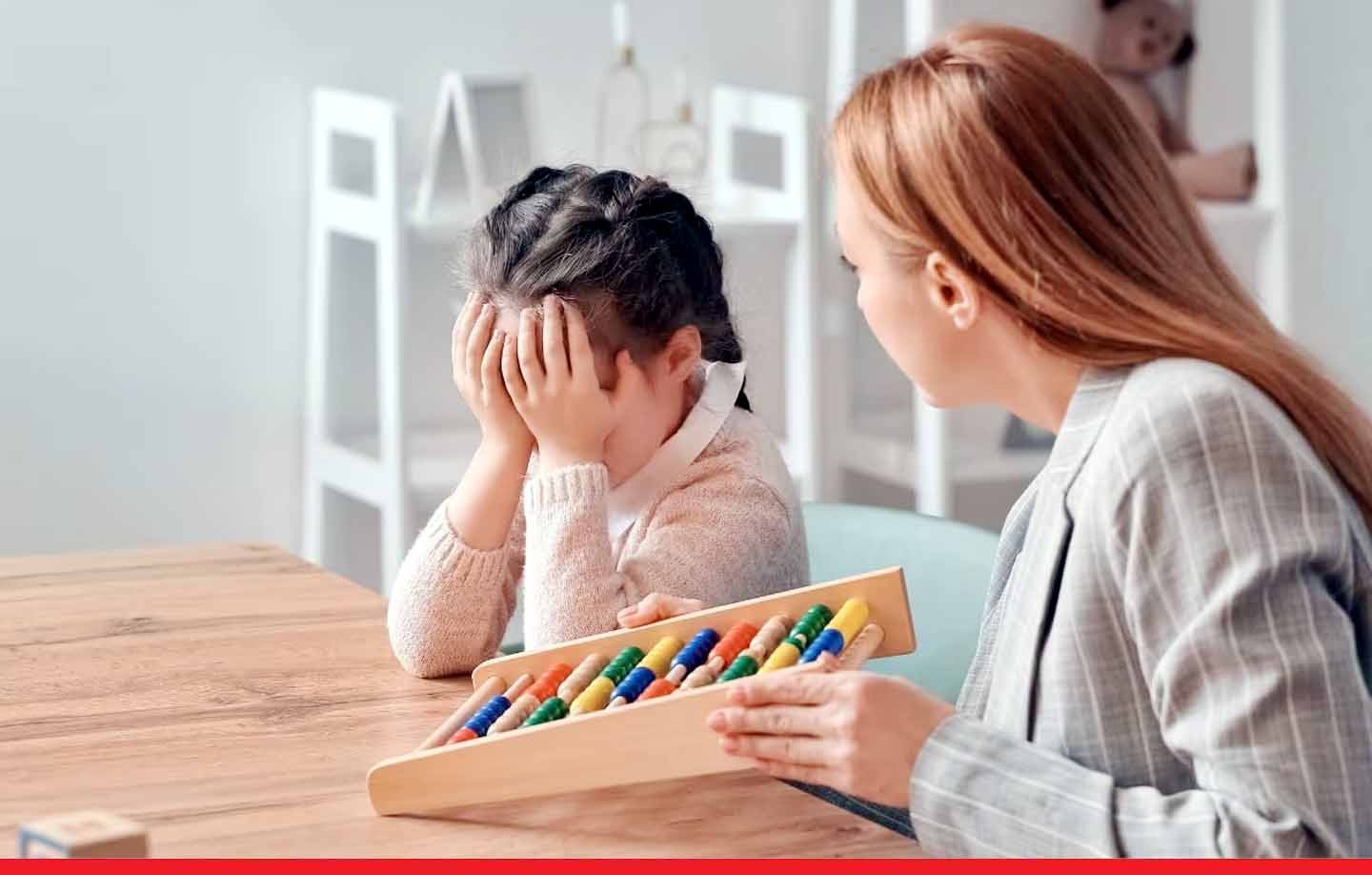
Not only adults in today’s fast-paced society have to deal with stress; kids may also be affected by it. It’s crucial to identify and treat children’s stress in order to protect their mental health and general wellbeing.
Understanding the Minds of Children
Children are vulnerable to a variety of pressures due to their developing bodies and brains. Understanding the things that might stress out kids is crucial.
1. School Pressure
For kids, the responsibilities of academics, tests, and homework might be too much to handle, which causes stress.
The dynamics of family
A child’s mental condition may be greatly impacted by family disputes, life events like divorce or relocating, and bad family situations.
3. Peer Influence
Children may experience stress and anxiety as a result of feeling under pressure to meet the standards of their peer group.
4. Social media and technology
Overuse of screens and social media may lead to stress and cyberbullying, which can have an impact on a child’s mental health.
5. After-School Activities
Despite the beneficial nature of these activities, overscheduling may make kids anxious as they fight to manage their time.
Understanding Stress Indicators
It might be difficult to identify stress in youngsters since they might not exhibit it outwardly. Watch out for these warning signs:
1. Changes in Behavior
Stress may be indicated by abrupt behavioral changes, such as anger, reticence, or mood swings.
2. Sleep Issues
Stress may be a factor in problems with sleep, nightmares, or bedwetting.
3. Physical Issues
Stress might be indicated by complaints of headaches, stomachaches, or other physical illnesses without a clear medical explanation.
4. Academic Results
Stress might show up as a drop in academic performance.
Social Isolation, No. 5
Stress may be to blame if a youngster starts to withdraw from friends and family.
Taking Care of Kids’ Stress
For kids to be healthy, stress has to be dealt with. Here are some techniques to assist them:
Open Communication, first
Encourage kids to communicate their emotions and worries without being judged.
2. Establish a welcoming atmosphere
Create an environment where kids may feel loved and understood.
3. Healthy Way of Life
Encourage youngsters to eat a balanced diet, get regular exercise, and get enough sleep to help them cope with stress.
4. Time Administration
Assist kids in balancing their time between school, extracurriculars, and spare time.
Limit your screen time.
Limit their usage of technology and keep an eye on their online activity.
6. Look for Expert Assistance
Consider seeking advice from a mental health professional if stress intensifies or lingers.
Parents’ and caregivers’ Roles
Children’s ability to handle stress is greatly influenced by their parents and other caregivers. They may develop resilience by paying attention, showing empathy, and taking initiative.
Final Reflections
Children may face stress in our fast-paced society just like adults. To maintain their mental health and general well-being, it is crucial that they recognize the warning signals and take proactive measures to manage their stress. Always keep in mind that a child’s mental health is equally as essential as their physical health, and it is our obligation as a society to safeguard and promote it.