
























The two countries entered a fresh diplomatic spat when Ottawa announced the expulsion of a Chinese envoy who was allegedly trying to intimidate a Canadian MP who was critical of Beijing.
In a statement designating the ambassador as “persona non grata,” foreign minister Melanie Joly declared, “We will not tolerate any form of foreign interference in our internal affairs.”
She said, “We remain firm in our resolve that defending our democracy is of the utmost importance,” noting that foreign diplomats in Canada “have been warned that if they engage in this type of behaviour, they will be sent home.”
With China “strongly condemning” the decision, which it claimed was based on “groundless” claims, and threatening consequences, the action worsened already tense Sino-Canadian ties.
China claimed in a statement published on the website of its embassy in Ottawa that it had lodged an official complaint against Canada for allegedly “deliberately undermining relations” with its second-largest trade partner due to transgressions of international law and diplomatic protocol.
Zhao Wei, a representative of the Chinese embassy in Toronto who is at the centre of this scandal, has reportedly been instructed to leave Canada within five days, according to a person familiar with the situation.
His dismissal came as a result of a protest led by parliamentarian Michael Chong over claims made by local media that China’s intelligence agency intended to sanction Chong and his relatives in Hong Kong for supporting a motion in February 2021 that referred to Beijing’s actions in the Xinjiang region as genocide. Chong and his relatives were allegedly to be targeted.
This was “almost certainly meant to make an example of this MP and deter others from taking anti-PRC positions,” according to a Canadian Security Intelligence Service memo quoted in the Globe and Mail newspaper last week.
‘Gamble’
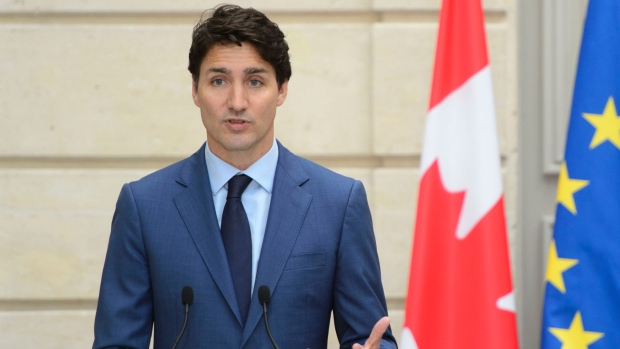
Following recent findings that Beijing attempted to influence Canada’s 2019 and 2021 elections, Canadian Prime Minister Justin Trudeau has been under increasing pressure to adopt a tough stance with Beijing.
His detractors have continued to charge him of being unresponsive to outside interference in light of the most recent charges.
According to Genevieve Tellier, a professor of politics at the University of Ottawa, “there was a real political risk for the Trudeau government in this affair, which is taking a gamble by showing its muscles in this way.”
Since Canada’s arrest of a senior Huawei executive in 2018 and the apparent retaliatory imprisonment of two Canadian citizens in China, relations between Beijing and Ottawa have been tight.
The three have all been freed, but Beijing has persisted in criticising Ottawa for supporting Washington’s China policy, and Canadian officials often charge China with interfering.
Beijing blasted Canada on Friday for what it termed “groundless slander and defamation” after China’s ambassador was invited to appear last week in response to the most recent claims of involvement.
The incident, according to the Chinese foreign ministry, had been “hyped up by some Canadian politicians and media.”
In an interview with reporters on Monday in Ottawa, Chong said: “It shouldn’t have taken the targeting of a member of Parliament to make this (expulsion) decision.”
“We have known for years that the PRC is using its accredited diplomats here in Canada to target Canadians and their families,” he said.
According to him, Canada has turned into “a playground for foreign interference,” including the intimidation of expatriate populations.
Expert on China at the School of Advanced Public Studies in Moncton, Roromme Chantal, told AFP that Canada should anticipate reprisal in the form of “the expulsion of a Canadian diplomat, if not several diplomats.”
He said that Beijing “could also take economic reprisals, as a way of sending a message to other countries that are talking about interference.”