


























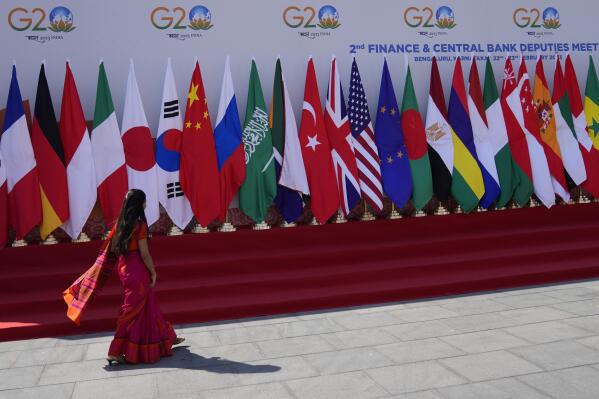
The G20 summit, which will take place in India from September 8 to 9, will bring together the heads of the 20 major economies in the world to discuss the intricate and interconnected issues affecting the world economy. The summit’s agenda is varied, but it is anticipated that talks on the ongoing conflict in Ukraine and its significant effects on the global economy would take center stage.
The war in Ukraine has had an impact on the world economy, causing a number of interrelated crises:
1. Soaring Food and Energy costs: As a result of the conflict, food and energy costs have significantly increased, which has exacerbated inflationary pressures across the board. Rising prices directly affect people’s cost of living and provide a problem for central banks trying to formulate monetary policy.
2. Disrupted Supply systems: The violence has significantly hampered the free movement of goods and services by upsetting global supply systems. Businesses and customers alike have been hampered by delays, shortages, and rising transportation costs.
3. Implications for Global Growth: The International Monetary Fund (IMF) lowered its prediction for global growth in 2023 from 3.7% to 3.6%, partly attributing the reduction to the conflict in Ukraine. Employment, investment, and general economic stability are affected by slower growth.
4. Poverty and Inequality: The World Bank has raised the alarm, stressing the grave humanitarian and economical effects of the conflict, by stating that the war may cause an extra 75 million people to fall into severe poverty in 2022.
Taking on Global Economic Challenges: The Role of the G20
The G20, which is made up of the biggest economies in the world, acts as a platform for discussing important topics related to the global economy. Beyond just talking, it is essential for coordinating global responses to economic crises. The next G20 meeting in India is a crucial chance for leaders to work together to solve the complex problems brought on by the conflict in Ukraine and elsewhere.
1. Lessons Learned from the War: Strategies to lessen the war’s damaging impact on the world economy will be a major topic of debate. The main emphasis will be on finding ways to stabilize the price of food and energy as well as dealing with supply chain interruptions.
2. Strengthening the Global Financial System: G20 leaders will discuss how to make the financial system more resilient. To avoid future economic shocks, improved coordination and financial regulatory measures may be on the table.
3. Addressing Wider Issues: The G20 meeting offers a chance to have fruitful conversations on a number of interrelated issues, not only the conflict in Ukraine. These include the COVID-19 pandemic’s continued effects, growing economic disparity, and climate change.
4. The Call for International collaboration: The G20 summit’s success depends on global collaboration and leaders’ readiness to put aside their differences in order to advance the common good. The world economy faces enormous problems that must be overcome with a unified front.
the larger world context
The globe is coping with a wide range of urgent concerns while the G20 meeting in India takes place:
1. Climate Change: G20 leaders are under growing pressure to step up measures to tackle climate change as it worsens. To reach carbon neutrality and lessen the effects of global warming, policymakers will need to lay out specific initiatives and plans.
2. Rising Inequality: The widening gap between the richest and poorest people in the globe deserves attention. The G20 is in a unique position to debate methods for reducing income disparity and fostering inclusive economic growth.
3. Persistent COVID-19 Issues Despite ongoing worldwide immunization campaigns, the COVID-19 pandemic still poses risks and difficulties. The G20 leaders must evaluate the pandemic’s continuing effects and coordinate their efforts to guarantee fair vaccination distribution and the security of global health.
The G20 conference in India takes place just as the world economy is about to turn a corner. It will need a coordinated international effort and collaboration amongst the heads of the world’s top economies to address the complex interplay of problems, including the effects of the conflict in Ukraine.
The ability of the G20 leaders to reach agreement, develop workable solutions, and define a course ahead will serve as a barometer for the summit’s success. It offers a chance to show that cooperation and group action are still effective methods for resolving the most important problems of our day, despite global difficulties.
The conclusion of the G20 meeting will be eagerly watched by the whole globe, who is seeking for signs of cohesion and resolve in addressing the significant difficulties facing the international economy.