
























In an Indian family, salt is used every single day. It is a crucial part of our daily diet that gives our food flavor and improves its flavor. The effect that salt has on heart health, however, is still up for discussion. But it is crucial to explore the significance of salt intake and provide details on the ideal quantity that supports a healthy heart.
Does salt have any bearing on our health?
You’ve come to the correct site if you were unaware of the relationship between salt and the heart. Our bodies need salt, or sodium chloride, to maintain fluid equilibrium, healthy neuron function, and appropriate muscle contraction. However, a significant risk factor for heart disease, high blood pressure, has been related to an excessive salt consumption. Maintaining excellent heart health requires balancing the proper amount of salt in our diet.
What is the recommended daily consumption of salt according to experts?
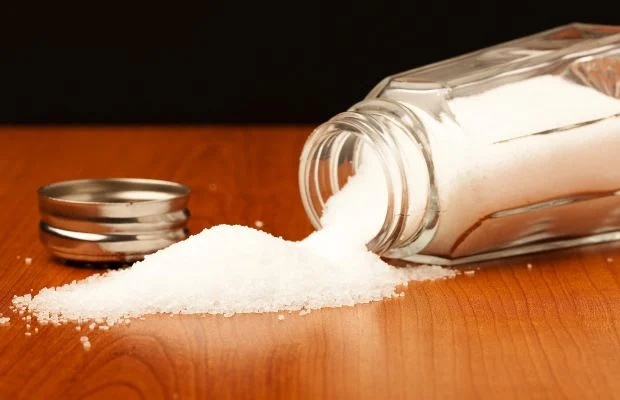
The renowned American Heart Association (AHA) advises keeping sodium consumption to a daily maximum of 2,300 milligrams (mg), or around one teaspoon of salt. The recommended consumption is further lowered to 1,500 mg per day for those who have hypertension or are at high risk of developing heart disease. The objectives of these recommendations are to enhance general heart health and lessen the burden on the cardiovascular system.
What risks are associated with taking too much sodium?
Keep in mind that taking too much salt might result in fluid retention, which raises blood pressure by causing blood volume to rise. Heart attacks, strokes, and other cardiovascular disorders are made more likely by high blood pressure’s strain on the heart and blood arteries. We must thus pay careful attention to how much salt we consume.
The Value of Recognizing Moderation
Although salt is an essential component of our diet, it must be used sparingly and with caution. Your daily salt intake may be controlled by choosing fresh, whole foods and reducing your intake of processed and packaged items like chips and wafers, which are often rich in sodium. You can better manage the quantity of salt used if you prepare all of your meals from scratch.
Is It Really Important To Read Food Labels?
Oftentimes, when we are in a food store, we wander about aimlessly picking up our favorite brands without paying attention to the information on the food labels. Reading food labels is essential if you want to know how much salt is in the packaged goods you’re purchasing. Even if a product is packaged, try to be aware of phrases like sodium chloride, monosodium glutamate (MSG), sodium bicarbonate, or sodium benzoate that indicate the presence of sodium in a food. Selecting low-sodium or sodium-free substitutes will assist in lowering your total salt consumption, which will ultimately be helpful.
Alternatives to salt that are simple to get on the market:
If you are urged to cut down on your salt consumption, this does not entail giving up flavor. Instead of depending primarily on salt, try experimenting with herbs, spices, and other flavor-enhancing elements that may give meals depth and richness. A tasty substitute may be made by using components like garlic, lemon juice, ginger, and fresh herbs. To learn what works and what doesn’t, you must always test different versions.