


























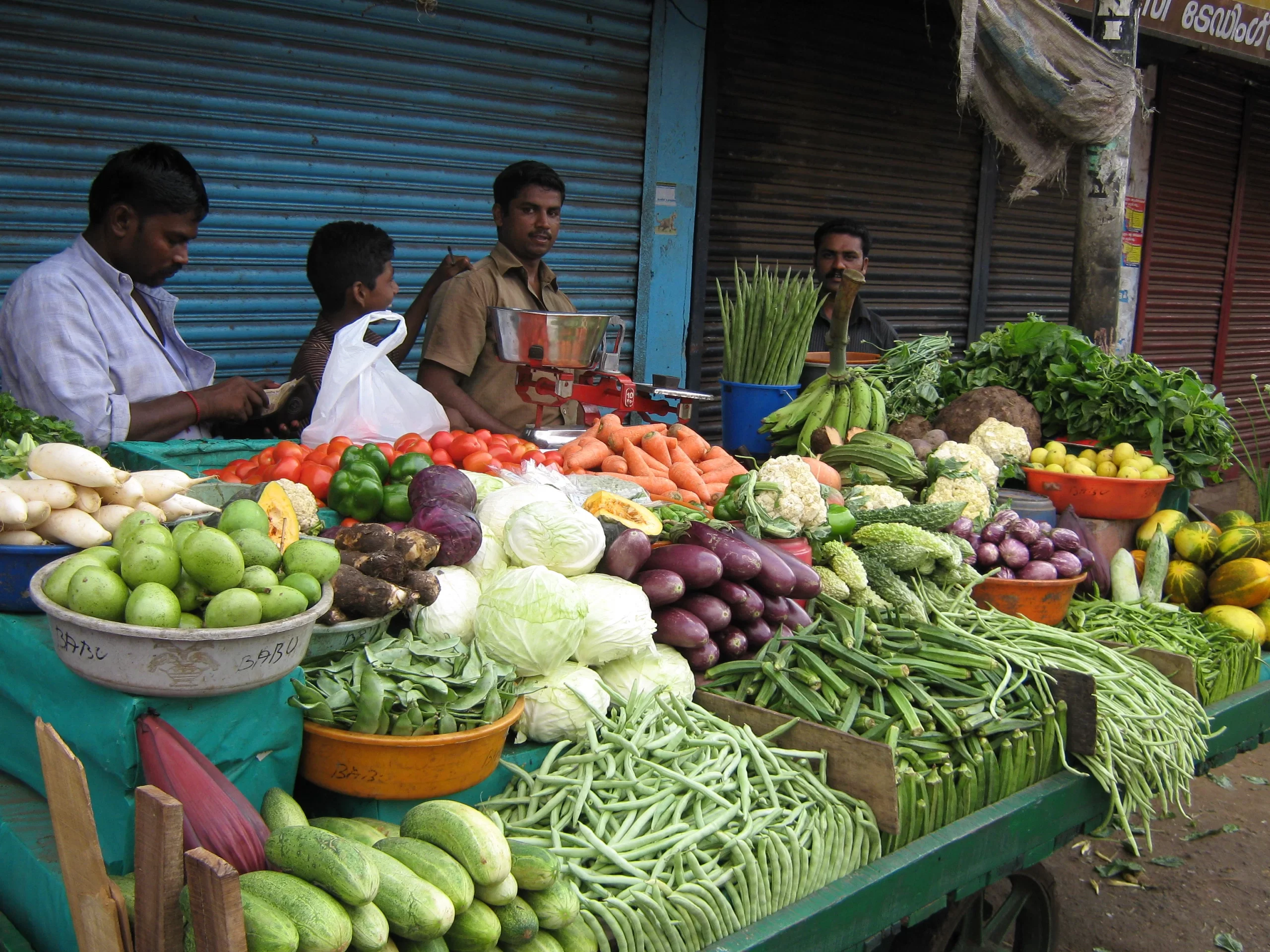
Due to the sky-high vegetable costs, consumer price inflation is predicted to again exceed the Reserve Bank’s tolerance target of 6% in July and August, a Japanese brokerage warned on Friday.
The government, which earlier this week prohibited the export of non-basmati rice, is likely to enact further supply-side restrictions in the future to control the price increase, according to a report from Nomura.
According to analysts at Nomura, “we anticipate continued supply-side interventions, with inflation likely to be above 6% levels in July and August, supported by sky-high vegetable prices.”
Inflation last year has consistently exceeded the 6% threshold, which is the top tolerance level allowed under the flexible inflation targeting system, for more than three quarters at a time. As a result, RBI sent a memorandum to the government explaining why the price increase exceeded the predetermined level.
In order to stop the rise in prices, the Reserve Bank of India (RBI) began its attempts to control inflation via rate rises and increased the repo rate by a total 2.50 percent starting in May 2022.
The central bank stopped its rate rise cycle earlier this year to focus on growth, and many experts anticipate a protracted pause in policy rates before it begins to decrease interest rates.
Due to a rise in food costs, the Consumer Price Inflation (CPI) increased to 4.81 percent in June from 4.31 percent in May.
According to Nomura, the inflation rate for rice increased to 14% in June from 9% the previous month, and daily data points to a further increase in prices in July as well.
Since the government began charging a 20% export tax on non-basmati rice in September of last year, 42% of rice exports are now prohibited, according to Nomura.
According to the letter, rice sowing is now 6 percent lower as of mid-July due to the monsoons’ delayed arrival and unequal distribution.
With state elections in Q4 2023 and general elections in Q2 2024, the export restriction also represents the most recent in a line of supply-side policies that have highlighted inflation as a political objective, according to the brokerage.
It further said that the restriction would affect worldwide pricing and that 40% of the world’s rice exports come from India.
Since Thailand is a net exporter of rice, the Indian decision will benefit Thailand. Philippines, Singapore, Hong Kong, and Malaysia are among the countries that import rice, therefore the decision may have an effect on them, it was stated.