

























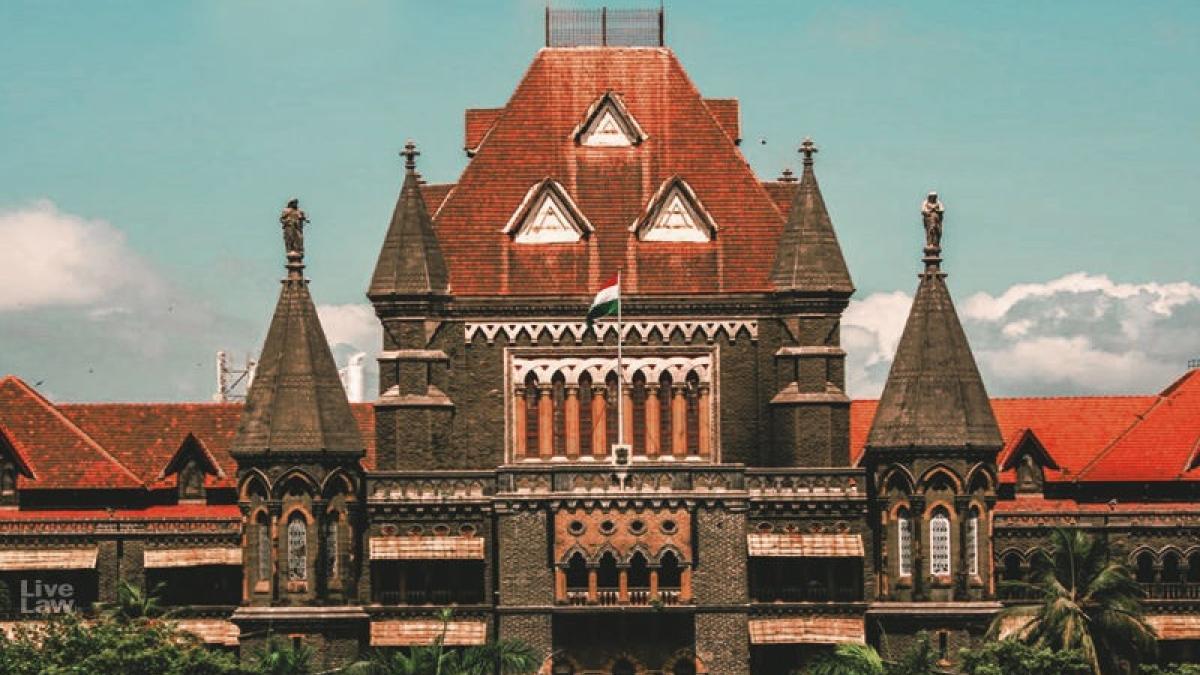
The Bombay High Court said that the scope of the Scheduled Caste-Scheduled Tribe (Prevention of Atrocities) Act is not limited only to the native state of a particular person, but this law provides protection to him everywhere in the country. The bench said in its judgment that the Act was enacted to prevent atrocities against the Scheduled Castes and Scheduled Tribes (SC-ST). The purpose of this law was to provide freedom to members of a class from insult and oppression. Also, their fundamental, socio-economic and political rights had to be ensured. “The person is entitled to protection under the Act in any other part of the country where the offense has been committed, even if he is not recognized as a Scheduled Caste or a Scheduled Tribe there,” the court said. Senior advocate Abhinav Chandrachud, appearing for some of the petitioners, argued that if the person (victim) has migrated from his native state to another state then the offense under the Prevention of Atrocities Act would not be applicable, but Advocate General Birendra Saraf opposed the argument.
The full bench of the Bombay High Court was tasked with interpreting the law and clarifying whether an offense under the Atrocities Act is still committed on a person in a State where such person does not belong to any caste or tribe. Castes and tribes are notified under each state and a person may belong to a notified caste in one state which is not notified in other parts of the country.
The bench said, ‘Limiting the identity of a SC/ST, only in relation to his/her state of origin, it will violate and also defeat their fundamental right under the Indian Penal Code Article 19(1)(d) (to move freely throughout the country) and (e) (to reside and settle in any part of the country). This would indirectly require them to be bound to their native state, with no chance of taking steps to further themselves by stepping outside. This will do more harm to the identified class by leading them to compete with members of the upper class than it will to help them achieve the equality enshrined in the Constitution.’
The High Court held that the geographical limitation imposed on castes or tribes is limited to the privileges provided by the Act for reservation in employment or education as an affirmative action aimed at the upliftment of these classes. The bar of territorial area cannot be enforced to protect their existence and identity.
Advocate Abhinav Chandrachud, appearing for one of the petitioners, said the Act should be considered applicable to SC/STs only within the state in which they are considered as such and not in any other state. But the High Court rejected it saying that if accepted, it would dilute the very intention of the special law. A narrow interpretation would mean that a SC/ST person would be entitled to protection only against horrific acts of atrocities committed in his own state, leaving him vulnerable and without any protection.
The bench also heard Advocate General Birender Saraf, Additional Solicitors General Anil Singh, Prakash Ambedkar and Sanjeev Kadam in the three petitions before reserving it for decision in March.