













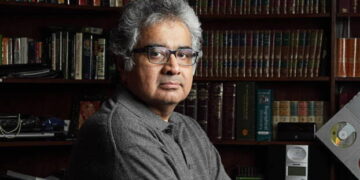












Hemophilia is a rare inherited disorder that impairs the body’s capacity to correctly clot blood, and Tarun suffers from it. Even a little cut on his body might cause hours-long hemorrhage. This results in a propensity for excessive bleeding and bruising following operations or traumas due to a deficit or lack of certain clotting factors in the blood. A genetic abnormality known as hemophilia impairs the generation of clotting components in the blood, impairing the blood’s ability to clot.
Those who have a family history of hemophilia are more likely to be impacted by the illness since it is often hereditary. While mostly affecting men, women may also have the hemophilia gene. Living with hemophilia may be difficult since the condition significantly affects a person’s day-to-day activities. Several hemophiliacs endure regular bleeding episodes, which may hurt, swell, and make their joints stiff. Daily tasks like walking or climbing stairs may become challenging as a result, warns Dr. Jasashwi Chakraborty (MBBS, MD, DM), Consultant Hematologist, AMRI Hospitals, Dhakuria.
Those who have this syndrome may endure prolonged bleeding after an accident or surgery, as well as spontaneous bleeding into muscles and joints. Easy bruising, blood in the urine or stool, and heavy bleeding from the mouth or nose are some more potential signs.
Hemophilia may have a substantial emotional effect in addition to its clinical signs and symptoms. “Those who have hemophilia may have feelings of loneliness or being misunderstood, and they may also experience anxiety or sadness. According to Dr. Chakraborty, the necessity for ongoing medical care and supervision may be stressful and burdensome.
Hemophilia has therapies that, fortunately, may help control the symptoms and avoid consequences. According to Dr. Chakraborty, replacement therapy, which includes injecting clotting factors into the circulation to help avoid bleeding episodes, is the main treatment for hemophilia.
In addition to replacement therapy, additional treatments could include pain management, physical therapy to increase joint mobility, or the use of aids like crutches or braces. According to Dr. Chakraborty, therapy or support groups may assist people with hemophilia deal with the emotional effects of the condition.
Living with hemophilia may be difficult, but with the right treatment and care, those who have the condition can have active, fulfilling lives. The development of a treatment strategy that takes into account each patient’s unique requirements and objectives requires close collaboration between hemophiliacs and their medical professionals. People with hemophilia may effectively control their symptoms and have a great quality of life with the correct treatment and support, concludes Dr. Chakraborty.