






















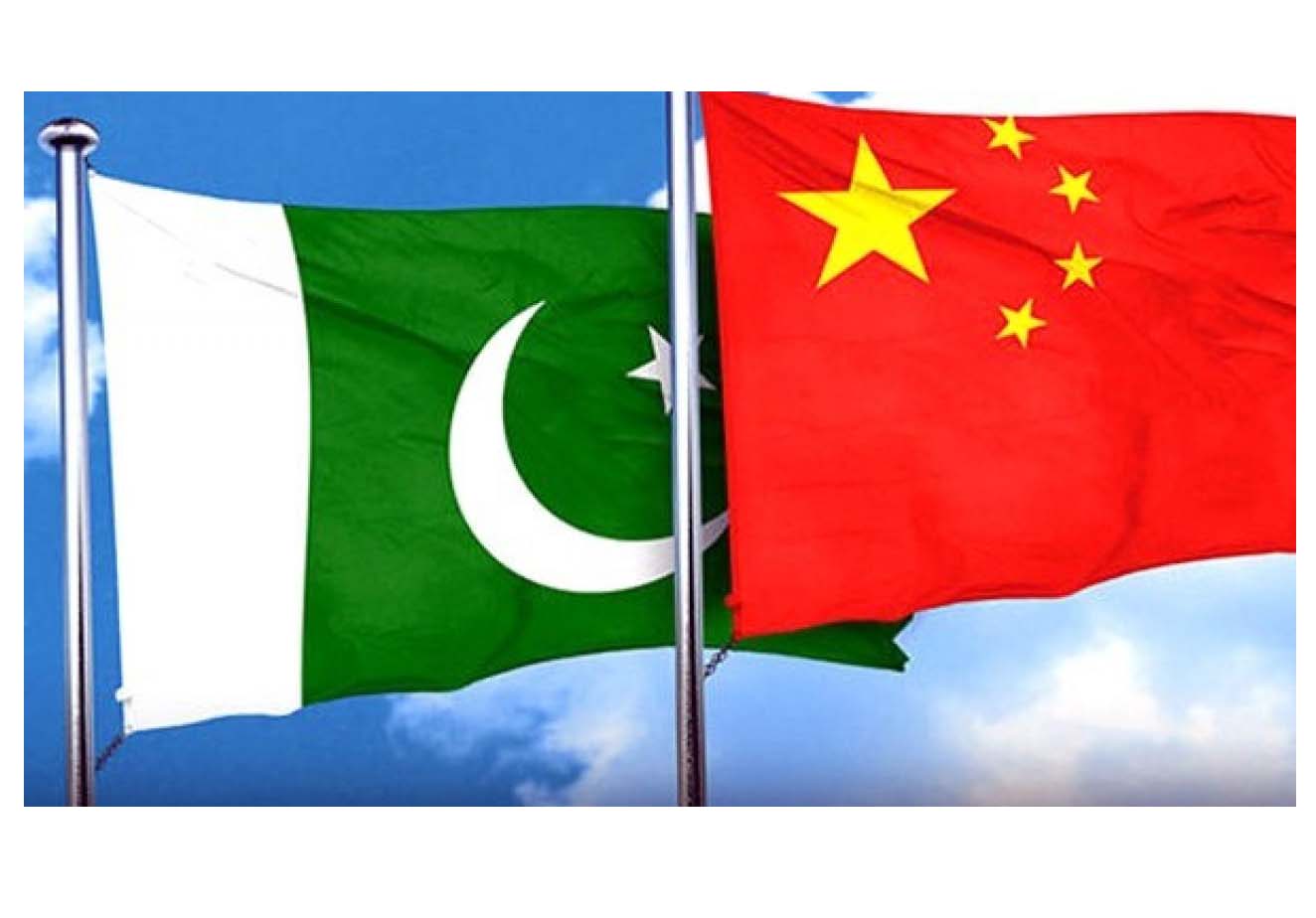
China and Pakistan are in discussions to deepen their partnership as Islamabad tries to implement growth-oriented policies after avoiding a financial default earlier this year.
Anwaar-ul-Haq Kakar, the interim prime minister of Pakistan, said in an interview with Bloomberg Television in New York on Thursday that the country is having a “very broad-based conversation” that extends “beyond debt issues.”
Kakar said that China is determining what kind of “intervention would be helpful for our economic health.” The caretaker government has been given the authority to manage the nation until elections that are planned for early next year.
The countries are now in negotiations after Pakistan, which was on the verge of default due to delays for months, was granted a $3 billion credit package by the International Monetary Fund in July. while part of the Belt and Road Initiative, China has invested billions of dollars in power projects in Pakistan and provided loans to the government even while discussions with the International Monetary Fund were going on.
After former prime minister Shehbaz Sharif handed over the reins at the conclusion of the parliament’s five-year tenure, Kakar assumed office last month. Since then, Kakar has suggested an economic reform aimed at bolstering the nation’s finances. This reform includes the suggestion to privatize public assets and a crackdown on illicit dollar transactions.
Kakar said that his temporary administration is committed to enhancing governance and putting a stop to cartels and mafias involved in everything from fuel and energy theft to illicit currency exchange.
“Undo the artificial bubble of inflation, the artificial value of the currency, which was primarily driven by the demand in the illegal trade of the currency,” he added, was the goal.
Aware of Protests
Protests have been directed towards the interim administration due to rising electricity and gasoline costs, which contributed to Asia’s highest inflation rate. Nevertheless, Kakar said that he did not foresee “huge social unrest” after an increase in energy prices since winter use was anticipated to fall.
Kakar said that his administration was aiming to improve the nation’s electricity industry with more durable solutions.
In order to become independent of the indirect taxes that are included in all of these electrical bills, we are working to privatize transmission businesses and expand our tax network, according to Kakar.
When asked whether his administration will be able to sell certain state-run businesses in the electricity industry during his term, Kakar expressed optimism.
I’m explicitly making reference to the nation’s transmission organizations in the electricity sector, Kakar remarked. “We anticipate some of them being privatized in the next few months.”
Pakistan has also been attempting to get Gulf countries to invest in the mining, agricultural, and ICT industries. Kakar recently said that Saudi Arabia and the United Arab Emirates may spend $50 billion in his nation.
$50 billion is just one amount, which I did suggest, he said, but it may be higher. It may surpass that amount if they see additional commercial opportunities and if we have more to offer.