



















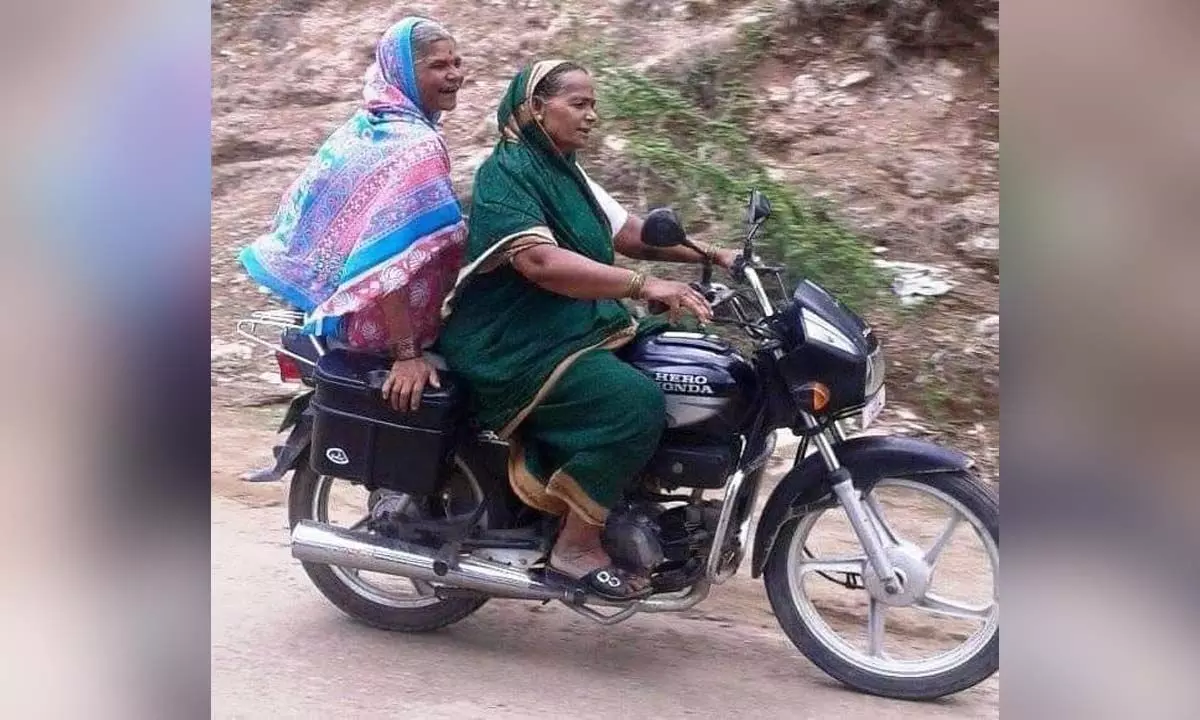
The Elected Women Representatives (EWR)s have not only come a long way but also gone a long way to consolidate their position as a crucial factor in nation-building from below, exactly 30 years after women’s empowerment got a kick-start with a 33 percent reservation in local self-government bodies, which later went up to 50%.
In the past three decades, EWRs have gradually broken free from their social and familial shackles, changing from being cowardly, tearful, confused, or even some “goongi gudiyas” controlled by the menfolk to becoming assertive, independent, tough, and capable of making their own decisions. If necessary, they can even scream at the man to “go to hell” like true Durgas!
Presently, as per the Maharashtra Rural Development Ministry data, there are around 28,000 Gram Panchayats, 352 Panchayat Samitis (taluka level), 14,000 Madam Sarpanches (Madam Presidents), 17 Zilla Parishads (in 35 districts, except Mumbai), and a whopping 125,000 EWRs (of the total 250,000 representatives) in the state, said Bhim Raskar, Director, Resource and Support Centre for Development, Navi Mumbai, and Advisor to Mahila Rajsatta Andolan.
Ulka Mahajan, Founder, Sarvahara Jan Andolan (Raigad), a well-known grassroots activist in many different fields, stated that there are numerous movements in the state that have contributed to women’s empowerment, increased knowledge, exposure to governance, highlighted their abilities, and become vocal — all of which have helped the women play a more effective role.
“Even though the EWRs are today quite different from what they were in the past, they nevertheless face challenges from the local bureaucratic mentality, political forces, a lack of openness, and information that is withheld from them. This is particularly true for EWRs who are Dalits, Tribes, OBCs, or Minorities who still experience prejudice, lamented Mahajan, adding that “the battle will go for a very long time…
According to Pratibha Shinde, President of the Lok Sangharsh Morcha (Jalgaon), “a whole new class of women leaders has emerged” as a result of the reservations for different categories among the EWRs, the seeds planted by the former Chief Minister Sharad Pawar have borne fruit.
“In the past, 99 percent of women in politics were members of established political dynasties, and many worked in the background for a governing husband or father. But today, women bravely step forth from autonomous, typical families to run for office, win, and confidently handle domestic and administrative matters,” added Shinde.