






















Diet is a key component in controlling PCOS and its symptoms if a woman has the illness. Lean protein sources like chicken, fish, tofu, beef, and low-fat dairy products should also be included, as well as complex carbs like whole grains, brown rice, oats, legumes, lentils, and starchy vegetables like sweet potatoes.
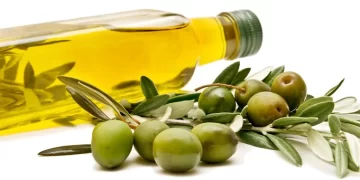
It will also be advantageous to include in moderation good fats in meals such avocados, almonds, seeds, and olive oil. Choose a variety of fruits, vegetables, and whole grains, as well as foods rich in fiber, which may enhance insulin sensitivity and help manage blood sugar levels.
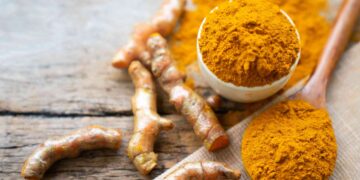
To assist regulate blood sugar levels, choose low glycemic index foods, which include non-starchy vegetables, whole grains, and most meals when consumed in moderation. should include anti-inflammatory foods such berries, fatty fish, salmon, turmeric, ginger, and ginger ale.
To prevent overeating and consuming too many calories, one must constantly be aware of portion proportions. To reduce blood sugar spikes and crashes and shorten the time between meals, try to eat regularly.
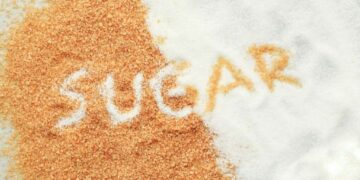
Limit or eliminate processed foods from your diet, such as sugary foods and snacks, since these may exacerbate insulin resistance.
Should choose a low-fat or non-fat dairy product to lower their consumption of saturated fat. Some PCOS sufferers may like soy or almond milk over traditional dairy products. Always keep hydrated throughout the day by drinking plenty of water.
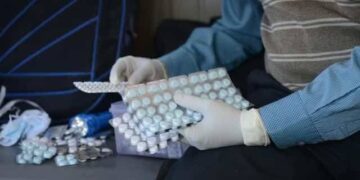
Consult your doctor about giving you certain supplements, such inositol or chromium, which may also help to improve your insulin sensitivity. Limit your intake of alcohol and coffee since both might disturb your body’s hormonal equilibrium.
Always think about seeing a certified dietitian with expertise in PCOS and fertility, as they may assist in developing a specialized dietary plan. Always keep track of your dietary choices and how they impact your PCOS system. Doing so will assist women find foods that may make their condition worse or better.
It is important to keep in mind that controlling PCOS may need more than just nutrition; it may also require regular exercise, stress reduction techniques, and, if required, prescription medication from a healthcare professional.
Individualized dietary modifications that take into account each person’s unique requirements and preferences are crucial. To get advice that is appropriate for your circumstances, speak with a healthcare expert.