


























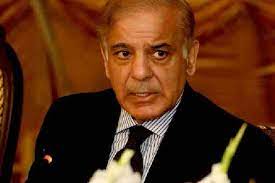
The first cargo of discounted Russian crude oil, according to an announcement made by Pakistani Prime Minister Shehbaz Sharif on Sunday, has arrived in the port city of Karachi. This is good news for those suffering from increasing prices.
Pakistan, which is now struggling with a huge foreign debt and a depreciating local currency, is hopeful that importing cheap Russian crude would help to stabilize domestic oil prices.
According to the most recent modification, a litre of gasoline currently costs Rs 262 across the nation. A cargo ship arrived at a Karachi port with roughly 45,000 metric tonnes of Russian crude oil on board.
“I have kept another of my national commitments. The first discounted Russian crude oil shipment has arrived in Karachi and will start to be discharged tomorrow, the prime minister tweeted.
“Today is a day of transformation. We are progressing steadily in the direction of wealth, economic development, and energy affordability and security, he remarked.
According to Sharif, this marked the start of a “new relationship between Pakistan and the Russian Federation.”
In the agreement, Pakistan would purchase crude oil rather than refined fuels, and if the initial transaction goes without a hitch, media estimates predict that daily imports might reach 100,000 barrels.
After the Pakistani delegation requested a price reduction in December 2022, Russia declined to provide Pakistan a 30% discount on its petroleum.
In order to undertake negotiations and resolve complex problems like insurance and mortgage, a Russian team traveled to Islamabad in January of this year.
In accordance with an agreement reached between Islamabad and Moscow, Pakistan made its first purchase for discounted Russian crude oil in April.
The majority of Pakistan’s imports are made up of energy, and the country would benefit from cheaper oil from Russia by being able to control its growing trade imbalance and balance-of-payments issue.
In the last year, Pakistan imported over 154,000 barrels per day, with the UAE, Saudi Arabia, and other Gulf countries providing almost 80% of its needs.
The State Bank of Pakistan’s report showed that for the week ending June 2, the nation’s overall foreign currency reserves decreased to almost USD 3.9 billion.
According to figures from the central bank, Pakistan’s inflation rate increased to a record high of 36.4 percent in April and then accelerated to 38 percent in May.
Last year’s devastating floods submerged a third of the nation, forced more than 33 million people to flee their homes, and battered Pakistan’s already fragile economy with losses of USD 12.5 billion.
In order to save the nation from going bankrupt, Pakistan and the IMF were unable to come to a staff-level agreement on the crucial USD 1.1 billion rescue package.
According to experts, the funds are a crucial component of a USD 6.5 billion rescue package that the IMF authorized in 2019 if Pakistan is to avoid defaulting on its responsibilities under foreign debt.
With Pakistan’s acquisition, India and China are no longer the only consumers of Russian oil. The US and other Western countries have imposed a number of punishing economic sanctions on Russia ever since the Ukraine War broke out last year.