
























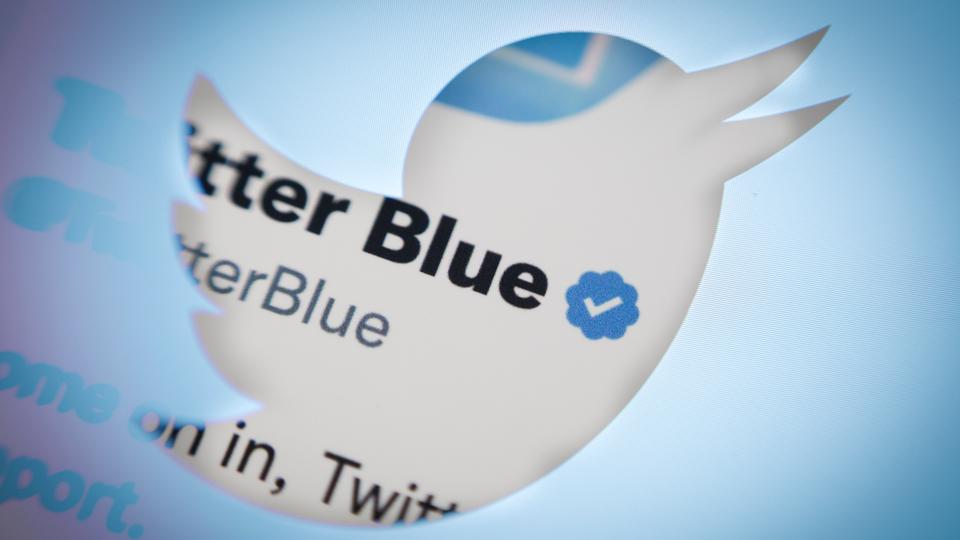
witter started removing its blue verification checkmarks from user accounts on April 20, including those of well-known individuals like Donald Trump, Oprah Winfrey, and the Pope.
Around 300,000 people, including journalists, sportsmen, and public personalities, were verified on Twitter when it first implemented the blue-check system.
In the late morning Pacific Time, the checks that had previously shown that Twitter had confirmed an account’s legitimacy began to vanish from these individuals’ accounts.
PAST VERIFICATION HISTORY
Twitter introduced the custom of marking accounts with a blue checkmark almost 14 years ago.
The main goals were to protect famous people from impersonation and to provide a method to control the dissemination of false information coming from bogus accounts.
HOW COME THIS HAPPENED
Elon Musk, the CEO of Twitter, had promised to end the “lords and peasants” arrangement and sell the blue badge for $8 per month when he purchased the company for $44 billion.
The move, according to Musk, would “democratize journalism and empower the voice of the people.” The previous efforts to remove the blue ticks had been unsuccessful.
HOW NOW
The costs to keep the marks range from $8 per month for lone online users to a minimum of $1,000 per month to authenticate a corporation, plus a monthly price of $50 for each affiliate or employee account.
Individual accounts are not confirmed by Twitter, unlike the former blue check, which was issued by Twitter’s pre-Musk management.
A FOLLOW-UP OF PAID BLUE
Several news organizations have lately criticized Twitter for using labels on their accounts that claimed they were “state affiliated” or “government funded.” Following NPR and CBC, public broadcaster Sveriges broadcaster said it will quit tweeting.
Musk’s ownership of Twitter has not been the subject of intense discussion, although some advertisers have left the service and users have voiced concerns about false information.
(With help from agencies)