


























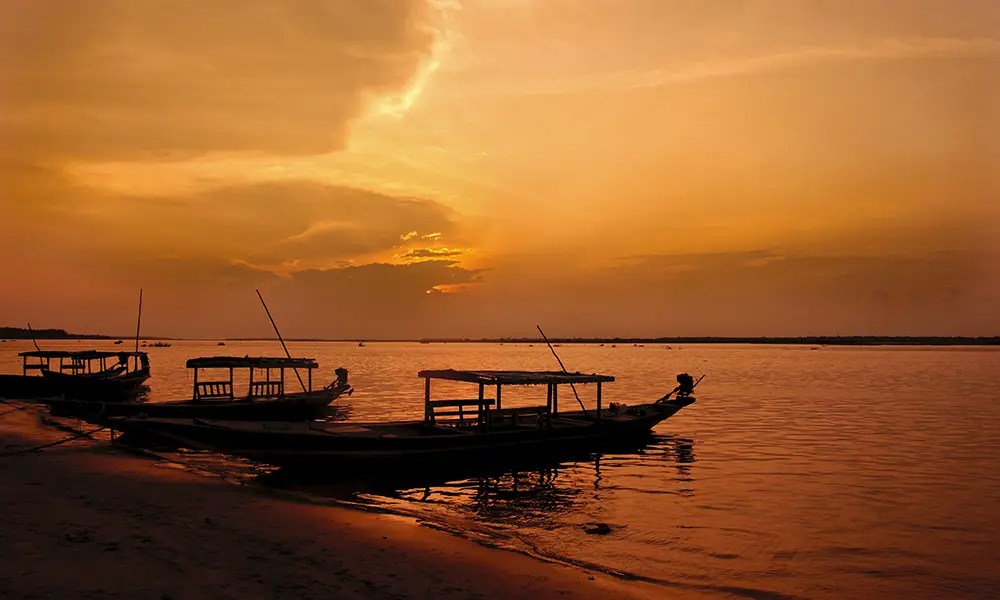
Under the Ramsar Convention, wetlands have been designated as Ramsar sites, which are renowned for their ecological importance. Odisha, a state in India, features numerous such places, which have become havens for visitors and environment enthusiasts.
Chilika Lake – Jewel of Odisha Breathtaking Ramsar Site Chilika Lake One of the most well-known Ramsar sites in Odisha is Chilika Lake, the biggest coastal lagoon in all of India. It is a haven for birdwatchers and other nature lovers thanks to its brackish waters, lush mangroves, and variety of avian inhabitants.
Bhitarkanika Mangroves Exploring Bhitarkanika’s Pristine Mangroves Another Ramsar site in Odisha, Bhitarkanika, is well known for its sizable mangrove forests. Numerous wildlife species, including the critically endangered saltwater crocodile, are found in this distinctive ecosystem.
Lake Ansupa’s Wetlands An Upscale Getaway: Ansupa Lake Ansupa Lake is a lovely Ramsar site in Odisha, lying in the lap of the Mahanadi River. It provides a peaceful haven for guests looking for solace in the lap of nature.
Simlipal: A Hotspot for Biodiversity Where Wilderness Thrives: Simlipal National Park Simlipal National Park, a Ramsar site and UNESCO Biosphere Reserve, is a wildlife treasure trove. Explore the fauna and lush woodlands there.
Deepor Beel: The Ramsar Connection in Assam A Ramsar site on the borders of Odisha is Deepor Beel. Although not entirely in Odisha, Deepor Beel in Assam shares its border with the state. This wetland offers a fantastic opportunity to witness diverse bird species and waterfowl.
Keoladeo National Park: A Feathered Paradise Keoladeo National Park: An Avian Wonderland While not in Odisha, Keoladeo National Park in Rajasthan, a UNESCO World Heritage Site and Ramsar site, is easily accessible from the state. A birdwatcher’s paradise, it.
Attractions at Ramsar Sites A Testament to Conservation: Ramsar Sites These Ramsar sites in Odisha and adjacent regions are essential in safeguarding wetland habitats and preserving their rich biodiversity. They also give fantastic recreational options for travelers.
Why Visit Ramsar Sites? Rich Biodiversity Numerous different plant and animal species may be found in Ramsar sites. These locations are popular among bird lovers because birdwatchers may see uncommon and migratory birds there.
Unusual Scenery For photographers and wildlife enthusiasts, the varied landscapes of these locations, which include marshes, woodlands, and lagoons, present a visual delight.
Academic Value People of all ages may learn new things by exploring Ramsar sites. It’s a chance to educate yourself on the value of preserving these habitats and wetland protection.
Imaginative Activities These immaculate environments are perfect for picnics, boats, and wildlife excursions for tourists.
Conservation initiatives Preserving the bounty of nature Global wetlands conservation is a goal of the Ramsar Convention. Visits to these locations support conservation efforts and increase public awareness of their significance.
Plan Your Visit Exploring Ramsar Sites: Some Tips
The ideal time to visit each site varies depending on the migratory bird seasons and the weather.
To ensure the preservation of these sensitive ecosystems, follow local laws and regulations.
Engage local tour companies and guides who can improve your experience by sharing their local knowledge.
In conclusion, Ramsar sites in Odisha and the surrounding regions provide a special chance to get in touch with nature. These locations have something unique to offer, whether you’re a fan of wildlife, a birdwatcher, or someone looking for a quiet retreat. Join the global effort to preserve these ecological treasures by exploring these wetland wonders.