

























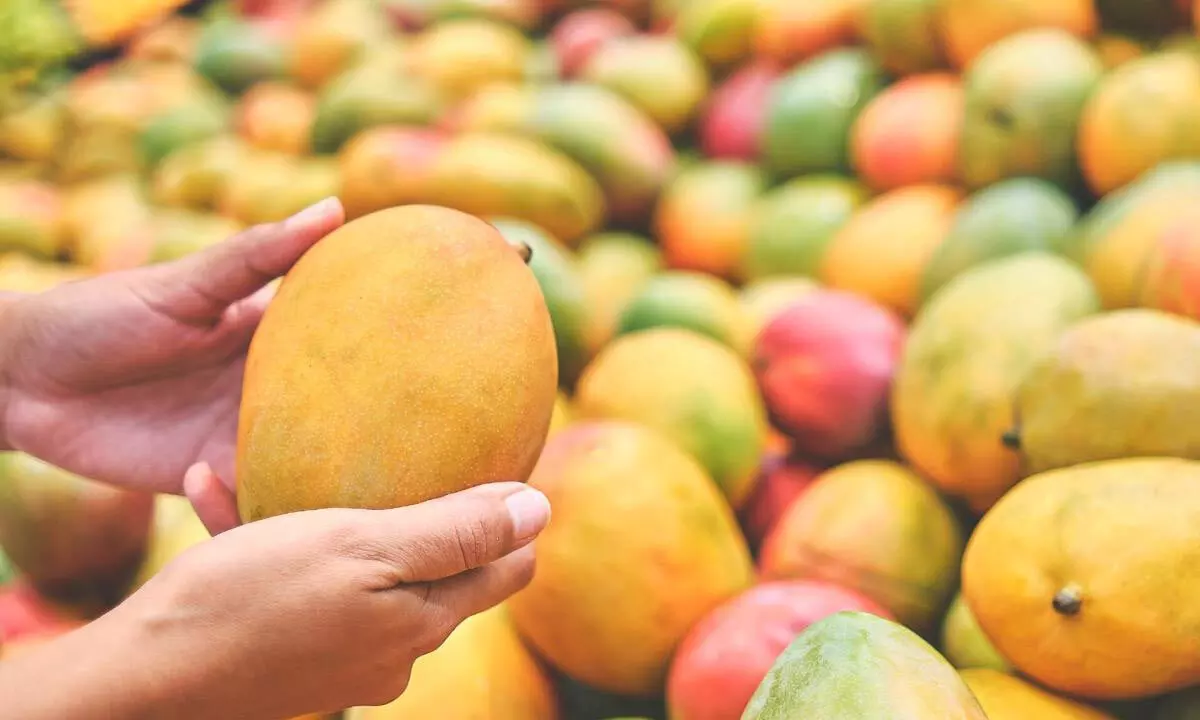
One of the most popular fruits in India is the mango, which is referred to as the “King of Fruit” there. Mangoes are a staple of Indian culture and cuisine, and India is the world’s top grower and exporter of the fruit. It’s hardly surprising that each state has a different kind of mango given that there are over 1000 different varieties growing in India. Mangoes are a source of several health advantages in addition to being a wonderful summer fruit.
They are a great complement to a healthy diet since they are packed with vitamins, minerals, and antioxidants. Mangoes come in a number of different types, each having a distinctive flavor, texture, and perfume. The list of some of the most popular mango types from various regions of India, along with information about their health benefits, is provided below by Deepak Tewari, vice president of sourcing for Otipy.
Safeda/Badami/Bainganpalli: Originating in Kerala, Telangana, and Andhra Pradesh. The pulp of these mangoes is sweet, juicy, and fiberless. It’s interesting that this kind of mango was among the first to be sold. The fruit is typically medium-sized and has a thin skin. It is ideal for preparing mango drinks, juices, and desserts. It also contains vitamin A, which supports good eyesight and skin, as well as vitamin C, a strong antioxidant that boosts immunity and encourages the creation of collagen. This particular mango type also contains a lot of potassium, a necessary element for maintaining heart health and controlling blood pressure.
Mango Kesar: Produced in portions of Maharashtra and Gujarat. Due to its cost, it is classified as a premium mango. This type stands out for its delicious scent, which is distinguishable by its saffron-colored meat and green skin with a trace of crimson on the shoulders. Kesar is well-known for being used to create the delectable beverage “aam-ras” in India. Kesar is also often referred to as the “queen of mangoes.” One of the most well-liked mango kinds, this one is renowned for its taste and scent, which are both rich and sweet. The fruit has a yellow-orange skin and is small to medium in size. Various mango sweets, ice creams, and shakes are made with it. In addition to their mouthwatering flavor, Kesar mangoes provide a number of health advantages. They are an excellent source of dietary fiber, which supports healthy digestion and lowers blood sugar.
Sourced from sections of Malihabad and other regions of Uttar Pradesh, mango dasheri Dasheri is one of the most sought-after varieties of mangoes in India and is often used to make mango juices and sweets. This type is renowned for its fiber-free meat, which has a seductive scent and delicious flavor. The Dasheri mango’s semi-thick, smooth, leathery skin has a yellowish-green color. Additionally, this kind is a good source of calcium, iron, vitamin C, vitamin A, and vitamin E. This particular kind has potassium, which helps to maintain heart health and control blood pressure. Mangoes also contain anti-inflammatory qualities that help lower the chance of developing chronic illnesses including diabetes, cancer, and heart disease.
Mango Langda, also known as Malda in Bengal and sourced from UP and Bihar The market for Langra is open from July through August. From all mango kinds, it distinguishes out for its powerful scent. Additionally, this variety’s skin remains green long after it has ripened. It is simpler to recognize from all other types due to its color and scent. It is ideal for mango sweets, smoothies, and pickles because of its sweet, juicy, and fiberless pulp. Vitamins and minerals are abundant in langda mangoes. Langda mangoes’ high fiber content aids in digestion and prevents constipation. They also include antioxidants, which support a stronger immune system and protect the body from cell deterioration.
Mango Chausa is made in portions of western Uttar Pradesh. A specific kind of mango known as chausa has a long and fascinating history. Sher Shah Suri introduced it in the sixteenth century. This mango type is renowned for its soft, pulpy texture and bright yellow skin, making it a great option for juicing. It also has a lovely scent. The medium-sized fruit’s greenish-yellow peel is used to make a variety of mango-based foods, including pickles, chutneys, and sweets. When it comes to their nutritional content, Chausa mangoes are a superb source of vitamin C, which is necessary for maintaining a strong immune system and fostering the creation of collagen.
Ratnagiri and Mango Alphonso are sources from Devgarh, Maharashtra. Most people agree that the Alphonso mango is the most magnificent fruit there is. Unexpectedly, it is also one of the priciest mangoes available in India. Mangoes from the Alphonso variety are tiny and spherical, making them simple to identify from other types. They are golden in hue with crimson undertones. This specific kind is a well-liked option for creating yogurt, puddings, and ice cream. In comparison to other mango varieties, Alphonso produces a greater amount of pulp since its seed is smaller. Alphonso mangoes are also a great source of vitamins A and C, which are vital for immune system support, good skin, and vision.
Mango Sindhuri: Produced in regions of Kerala and Andhra Pradesh: The delicious, luscious flesh of Sindhuri mangoes is renowned for having a particular taste and aroma. Typically, May and June are when you can buy them. They are a great source of vitamin C, which supports collagen synthesis and strengthens the immune system. Furthermore, Sindhuri mangoes have digestive and bowel-regulating enzymes in them. Their low glycemic index is thought to contribute to their ability to help control blood sugar levels. Additionally, Sindhuri mangoes contain anti-inflammatory qualities that may aid in reducing bodily inflammation, which is a major contributor to chronic illnesses including cancer, heart disease, and arthritis.
Mango Totapuri, an Andhra Pradesh native with a sour flavor and a lengthy shape: Mangoes of this kind have a sour flavor rather than a sweet one. It has a lengthy form and skin that is greenish-yellow. Mango chutney and pickles are made using it. Additionally, the high fiber content of totapuri mangoes may aid in promoting gut health and regulating digestion.
In addition to being a fruit, mangoes play a significant role in Indian culture and cuisine. Mangoes have been utilized in a variety of ways to make a wide range of delectable foods, from pickles to sweets. Although each of these mangoes has a unique taste and texture, they all have substantial health advantages. Mangoes have established themselves as a flexible and beneficial addition to any diet, helping to support everything from heart health to the immune system. So keep in mind that the next time you indulge in a luscious slice of mango that you are also providing your body with vital nutrients.