


























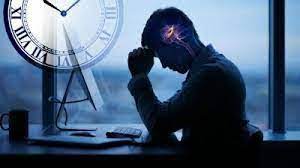
Stress is a typical and normal reaction to life’s obstacles and obligations. While a certain amount of stress may be motivating and helpful, prolonged or excessive stress can be harmful to our physical health. This post will look at how stress impacts different elements of our physical health and what we can do to manage and lessen its effects.
Understanding the Physical Effects of Stress
1. Stress and Physiology
Our bodies respond to stress by going into a “fight or flight” mode and producing cortisol and adrenaline. Although this reaction was intended to keep us safe in perilous circumstances, chronic exposure to stress hormones may be harmful to our health.
2. Cardiovascular Health Effect
Hypertension and an increased risk of heart disease have both been related to chronic stress. Stress hormones are continuously released, which may cause blood pressure to increase and tax the cardiovascular system.
3. Immune System Reactions
The immune system is weakened by stress, which increases our susceptibility to diseases and illnesses. This may eventually result in more frequent cases of the flu, the common cold, and other illnesses.
Digestive Health and Stress
4. Digestive Conditions
Stress may interfere with the digestive system’s regular operation, which can result in conditions including irritable bowel syndrome (IBS), acid reflux, and stomach ulcers.
5. Changes in Appetite
For some people, stress may cause overeating or comfort eating, which can result in weight gain and other health issues. On the other side, some people may lose their appetite, which may result in nutritional deficits.
Musculoskeletal Health Effect
6. Pain and Muscle Tension
Muscle tension, a common physical manifestation of stress, may cause headaches, back pain, and other musculoskeletal problems.
7. Affects Sleep
Sleep and stress have a direct connection. High amounts of stress may cause insomnia or poor sleep, which makes physical health issues worse.
Reproductive Health and Stress
8. Abnormal menstrual cycles
Chronic stress in women may worsen premenstrual syndrome (PMS) symptoms and cause irregular menstrual cycles.
9. Issues with Fertility
Stress may also affect fertility, making it more challenging for couples attempting to become pregnant.
10. Problems with Pregnancy
Stress may raise a woman’s risk of issues including preterm delivery and low birth weight during pregnancy.
Coping Techniques for Stress Reduction
11. Consistent Exercise
Exercise is a great strategy to lower stress and improve general wellbeing.
12. Meditation and mindfulness
Meditation and mindfulness exercises may assist to relieve stress and relax the mind.
13. Social Assistance
Strong social ties and asking for help from friends and family may lessen the effects of stress.
14. A Good Diet
A healthy, balanced diet promotes the body’s resistance to stress.
15. Obtain Expert Assistance
Seeking advice from a mental health expert might be helpful if stress becomes too much to handle. Although stress is an unavoidable aspect of life, proper stress management is essential for preserving physical health. We may defend ourselves against the harmful consequences of chronic stress by being aware of how stress affects different parts of our bodies and using good coping mechanisms.