


























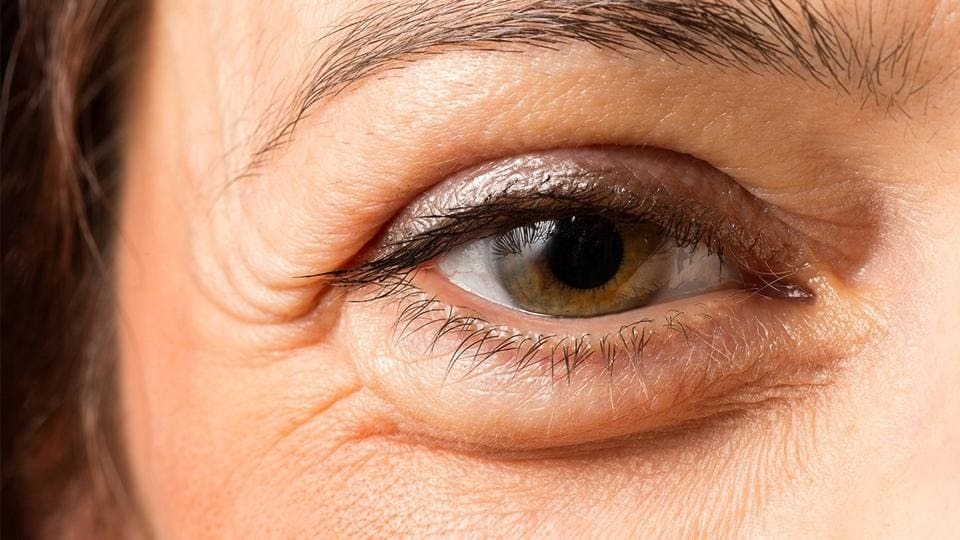
EyesOur skin and eyes are sometimes disregarded health markers that might provide us important information about the state of our kidneys. The kidneys are essential for maintaining electrolyte balance, controlling blood pressure, and filtering waste and extra fluid from our blood. Any failure in these essential organs may show up in a variety of ways in other parts of our body, such as our skin and eyes. In this post, we’ll look at the warning signs and symptoms that your skin and eyes may give away regarding the condition of your kidneys.
Recognizing the Value of Kidney Health
Let’s quickly go through the reasons why kidney health is so important before getting into the precise warning flags to look out for. Our kidneys carry out a number of crucial tasks:
1. Waste management
The kidneys’ principal job is to filter waste materials and extra fluid from the blood. Urine is subsequently produced as a result of these waste products.
2. Electrolyte equilibrium
The body’s levels of electrolytes like sodium and potassium are regulated in part by the kidneys. Keeping the proper equilibrium is crucial for a number of body processes.
3. Blood Pressure Management
By regulating blood volume, the kidneys play a significant part in blood pressure regulation. Healthy kidneys aid in controlling blood pressure.
Skin-related symptoms that may indicate kidney problems
Let’s now investigate how your skin might provide information about the health of your kidneys:
1. Dryness and itchiness of the skin
Skin that is dry and itching may indicate renal disease. When the kidneys are unable to adequately clear waste and toxins, they may build up in the body and have an impact on the skin.
2. Discolored skin
Skin color changes that are apparent may be caused by kidney issues. You may notice a yellowing or darkening of the skin, which might be a sign of problems with waste evacuation.
3. Edema (swelling)
Swelling, or edema, may appear in many areas of the body, including the hands, feet, and face. It occurs when the kidneys are unable to eliminate extra fluid, which causes fluid retention.
4. Skin lesions or a rash
Kidney problems may be related to persistent skin sores or rashes. The health and appearance of the skin may be impacted by the accumulation of waste materials.
How Eye Health Can Indicate Kidney Health
Additionally, your eyes can tell you a lot about how your kidneys are doing:
1. Jaundice or Yellowing of the Eyes
Jaundice, which causes the whites of your eyes to become yellow, may be a sign of a liver condition or an accumulation of bilirubin in the blood, which is connected to kidney problems.
2. Periorbital edema (eye swell)
Periorbital edema, or eye swelling, has been connected to fluid retention and renal issues.
3. Swollen Eyes
Blood vessel alterations brought on by kidney disease might result in red or bloodshot eyes. This could indicate underlying health problems.
How to Know When to Seek Medical Help
It’s critical to take these warning signals seriously and seek immediate medical attention if you discover any of them in your skin or eyes. Kidney problems may be effectively managed with early identification and care.
Avoiding Kidney Issues
It’s crucial to keep your kidneys in excellent condition. Here are some recommendations for avoiding kidney problems:
Keep hydrated
An proper water intake maintains your kidneys healthy and aids in the removal of toxins from them.
2. Continue to Eat Well
A balanced diet reduced in processed foods and salt may help lower the risk of renal issues.
3. Keep track of Blood Pressure
Check your blood pressure often, and take the necessary actions to maintain it within a healthy range. Skin and eye health are important indications of kidney health. You can preserve your general health by being aware of these symptoms and, when required, obtaining quick medical treatment. Make kidney health a priority in your daily healthcare regimen since it is necessary for your body to operate properly.