


























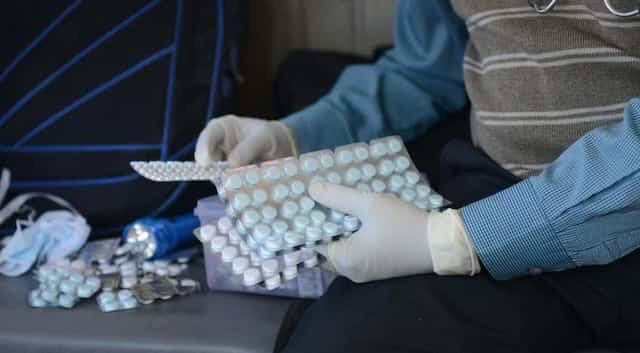
In its most recent monthly report, the Central Drugs Standards Control Organisation (CDSCO) labelled over fifty medications, including calcium supplements, Pan D, and paracetamol, as “not of standard quality,” raising questions about their use and safety.
The government drug authority classified paracetamol, calcium and vitamin D supplements, blood pressure drugs, and some anti-diabetes tablets as “Not of Standard Quality (NSQ Alert)” in its August 2024 report. State drug officers randomly sample the population each month to create NSQ notifications.
Vitamin C and D3 pills, Shelcal, vitamin B complex, vitamin C soft gels, anti-acid Pan-D, IP 500 mg paracetamol tablets, Glimepiride, an anti-diabetic medication, and Telmisartan, a prescription for high blood pressure, are among the medications that did not pass the quality inspection.
Numerous businesses, including Hetero Drugs, Alkem Laboratories, Karnataka Antibiotics & Pharmaceuticals Ltd., Hindustan Antibiotics Limited (HAL), Pure & Cure Healthcare, and Meg Lifesciences, among others, were involved in the production of these goods.
Metronidazole, a commonly used drug to treat stomach infections brought on by HAL, failed quality testing. Shelcal, a well-known calcium and vitamin D3 supplement, has also been labelled in the NSQ Alert category.
A drug testing facility in Kolkata declared antibiotics such as Pan D and Clavam 625 to be bogus. A common paediatric infection drug called Cepodem XP 50 Dry Suspension was also tested in the same facility and was reported to CDSCO as failing the quality test.
The central drug regulator published two lists with 48 medications that failed quality testing and five medications in the NSG Alert category. Both listings included the makers’ responses.
“The product’s real manufacturer (as stated on the label) has confirmed that they did not make the product in question and that it is a fake medication. The answer from Pulmosil’s medicine manufacturer is, “The product is purported to be spurious. However, the same is subject to the outcome of the investigation.”
The CDSCO outlawed over 156 fixed-dose medication combinations nationwide in August of this year due to “likely risk to humans.”