

























Making thoughtful food decisions becomes more crucial as we age because our nutritional demands alter. Your body undergoes a number of changes beyond the age of 60 that may have an effect on your health and wellbeing. In this post, we’ll examine the importance of diet for those over 60. We will go through the most important nutritional factors, foods to eat, and lifestyle choices to make to promote a healthy and happy later in life.
Knowledge of the Aging Process
It’s important to comprehend how aging impacts our bodies before going into food suggestions. Getting older
1. The Metabolism Sluggishes
Our bodies naturally burn calories more slowly as we age because metabolism slows down. If eating habits are not changed, this may result in weight gain.
2. Loss of Muscle Mass
Muscle mass often declines as we age. To be mobile and in good health, one must maintain muscular mass.
3. A Decline in Nutrient Absorption
With aging, the body becomes less capable of absorbing some minerals, such as calcium and vitamin B12. If this is not fixed, defects may arise.
Important Nutritional Advice for People Over 60
Now that we are aware of how we age, let’s explore the precise dietary recommendations for those over 60.
Keep hydrated
Healthy hydration is crucial for overall wellbeing. Since our sensation of thirst may wane as we get older, it’s important to frequently consume water to stay hydrated.
2. Emphasize protein
For the preservation of muscular mass, protein is essential. Include lean protein sources in your diet, such as tofu, beans, fish, and fowl.
3. Adopt fiber
Fiber helps with digestion and may assist with weight control. To ensure a sufficient intake of fiber, include whole grains, fruits, and vegetables in your diet.
4. Limit Your Salt Intake
Consuming too much salt might cause high blood pressure. By eliminating processed meals and relying on herbs and spices for taste, you may reduce your salt consumption.
5. Give calcium and vitamin D a priority
Make sure you receive adequate calcium and vitamin D to maintain bone health. Supplements, fortified meals, and dairy products may all assist with these demands.
6. Add wholesome fats
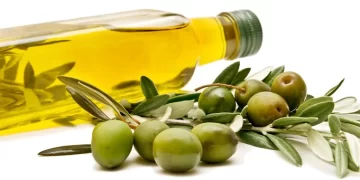
Choose healthy fats from sources like avocados, almonds, and olive oil. The heart benefits from these lipids.
7. Consume Fruits and Vegetables in Color
Essential vitamins and antioxidants are offered by a range of fruits and vegetables. In order to enhance nutritional intake, aim for a colorful plate.
Developing Healthful Eating Routines
In addition to following particular dietary advice, developing good eating habits is essential for preserving your health as you age.
1. Exercise portion management
Portion control is important for avoiding overeating and maintaining a healthy weight.
Cooking at Home
You may choose healthier items and prepare your meals yourself.
3. Eat with friends and family.
In addition to offering company, dining with friends and family promotes healthy eating practices.
4. Create A Balanced Diet
Make sure to incorporate a range of nutrients and dietary categories in your meal plans.
Keep Moving
Only one aspect of the dilemma involves nutrition. Maintaining physical activity is crucial for overall health.
Perform Regular Exercise
Along with muscle-strengthening activities, aim for at least 150 minutes per week of moderate-intensity aerobic exercise.
2. Keep moving
To avoid falls and injuries, maintain your flexibility and mobility with exercises like yoga or tai chi.
In conclusion, beyond the age of 60, adopting wise dietary decisions is essential for preserving health and vigor. You may have an active and meaningful life long into your senior years if you recognize the changes that come with aging and adhere to these dietary recommendations.
Never forget that it’s never too late to begin improving your diet and way of life. Consult a qualified dietician or a healthcare provider for individualized guidance tailored to your unique requirements as you move toward healthy aging.