


























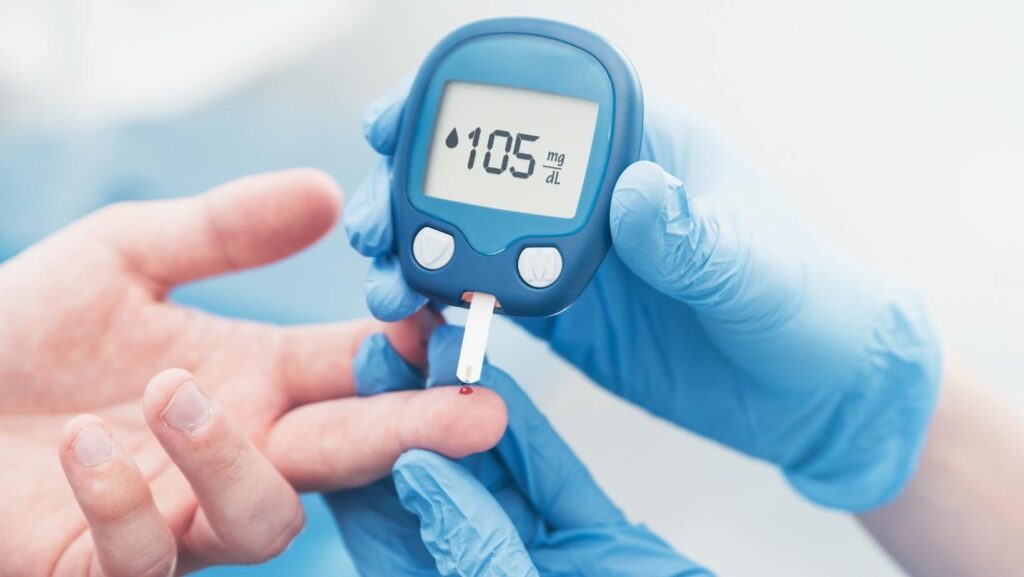
A chronic condition known as diabetes is characterized by an unchecked rise in blood glucose levels. Blood glucose levels that are consistently too high might eventually endanger a number of organs, including the kidneys, heart, eyes, and several other body components.
It becomes essential to comprehend the signs and symptoms of this hazardous illness. Let’s examine a few typical signs:
Unexpected occurrences of hazy vision may be a sign of high blood sugar. The lens in the eye may be impacted by high blood sugar levels, which can distort the curvature of the lens and make it difficult to focus.
Long-term high blood sugar levels may affect cognitive functioning, causing cognitive impairment. Memory lapses, concentration difficulties, and general cognitive decline may start to appear as problems.
People with uncontrolled diabetes often have sleep pattern abnormalities, which may lead to fatigue. Additionally, the body’s inability to adequately use glucose for energy generation may cause chronic weariness to become a typical complaint.
Increased Susceptibility to Infections: Another effect of persistently high blood sugar levels is a weakened immune system. This increases one’s vulnerability to a number of illnesses, including skin infections, urinary tract infections, and other conditions of a similar kind.
Unaccounted-for Weight Fluctuations: An insulin imbalance in the body may cause weight fluctuations. Rapid and unexplained weight gain or loss may be a sign of poorly controlled diabetes.
Slow Wound Healing: The body’s normal healing process might be hampered by high blood sugar levels. Even small cuts and wounds may take longer to heal, putting the patient at risk for complications and infection.
Frequent Urination and Increased Thirst: Elevated blood sugar levels may cause frequent urination and increased thirst. The body attempts to expel the extra glucose via urine, which leads to increased fluid consumption and consequent increases in toilet visits.
Nerve damage brought on by persistently high blood sugar levels may cause symptoms like numbness, tingling, or a burning feeling in the hands and feet. Diabetic neuropathy is the term for this ailment.
Gum infections and other dental problems are more common in diabetics owing to their weakened immune systems and increased susceptibility to bacterial infections. Keeping your mouth healthy requires regular dental exams.
Diabetes may cause a number of skin complications, including dry skin, itching, and the emergence of skin infections. Skin issues in diabetics may also be exacerbated by poor blood flow and nerve loss.
Erectile dysfunction (in men): If diabetes is not under control, it may have an impact on nerve sensitivity and blood flow, which can result in issues like erectile dysfunction. The issues mentioned above may be avoided or lessened with proper diabetes treatment.
Heart disease, heart attacks, and stroke are just a few examples of the cardiovascular issues that diabetes greatly raises the chance of experiencing. Patients with diabetes must carefully manage their blood pressure and cholesterol levels as well as lead heart-healthy lifestyles.
Foot Issues & Ulcers: Diabetes neuropathy and poor blood flow may cause foot issues such as ulcers, infections, and in extreme situations, even the possibility of amputation. For those with diabetes, regular foot exams and good foot hygiene are essential.
Mood swings and irritability: Changes in blood sugar levels may be a factor in these symptoms. The generation of hormones that control mood may be affected by unstable blood sugar levels, which can cause emotional instability and irritation.
Increased Hunger pains: People with uncontrolled diabetes may suffer frequent hunger pains despite having eaten a meal. This happens as a result of the body’s inability to use glucose correctly, which causes a constant sense of hunger and a drive to eat more food.
For prompt intervention and efficient diabetes care, it is essential to recognize these signs and symptoms. Key strategies for minimizing problems and boosting general well-being for people with diabetes include frequent blood sugar monitoring, adhering to a balanced diet, keeping a healthy weight, and participating in regular physical exercise. The quality of life for people with diabetes may be greatly enhanced by regular medical consultations and adherence to an extensive treatment plan.