
























The incidence of Guillain-Barre syndrome (GBS), a rare autoimmune neurological illness, is unusually rising in Mumbai City. In GBS, the immune system of the body attacks the peripheral nerve system.
A research states that experts believe the increase in GBS cases is 30–50% more than what it typically is during the monsoon season.
Neurologists claim that there has been a significant rise in both outpatient patients and hospitalizations. One such instance is the civic-run BYL Nair Hospital, which in just one month has treated over 15 GBS cases, six of whom are still receiving care.
Over a dozen instances from July have been treated at private institutions including Tardeo’s Bhatia Hospital and Andheri’s Kokilaben Hospital. Currently, three to five patients are being treated at each of other institutions including Lilavati and Fortis. A ventilator was required for a few of these individuals. But happily, no deaths were recorded by any of the hospitals.
GBS patients who have traveled before
Although the precise reason for the rise in GBS cases is unknown, experts believe it may be connected to the general increase in viral infections. According to reports, almost all of Dr. Rahul Chakor’s GBS patients had the illness shortly after recovering from a viral or digestive infection. Dr. Rahul Chakor is the chairman of the neurology department at Nair Hospital. People of all ages and genders have been impacted by the increase in instances.
According to Dr. Nilesh Chaudhary, a neurologist at Hiranandani Hospital, the immune system erroneously attacks the body itself in the majority of GBS cases after a viral or bacterial infection.
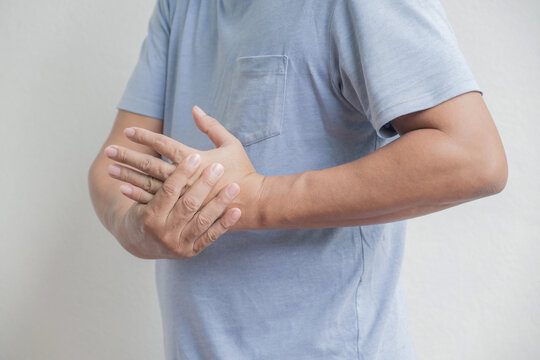
When the nerves are attacked, the ailment often results in muscular weakness, numbness, or tingling. It may even proceed to paralysis, which will need a lengthier recovery. According to Dr. Chaudhary, the spike has been apparent during the last 30-45 days. Dr. Ashish Gosar, a neurologist at Bhatia Hospital, said that he saw that many of the GBS patients also had a history of travel to support this.
Numerous GBS variants are reportedly being treated by medical professionals. According to Dr. Gosar, the classic GBS presentation, in which weakness first manifests in the lower limbs and then advances upward, may sometimes be aberrant. According to medical professionals at the Bhatia Hospital, instances involving younger individuals seem to be more severe. Those who initially had upper limb involvement and early cranial nerve involvement (difficulty swallowing, double vision) were advancing quickly. Due to their slow breathing rate and weak respiratory muscles, they now need ventilatory assistance.
Four patients at Fortis Hiranandani in Vashi are in serious condition, according to Dr. Pawan Ojha, director of neurology. Two had severe acute motor axonal neuropathy (AMAN) and two had a form of acute inflammatory demyelinating polyneuropathy (AIDP). Weakness, tingling, and numbness in the limbs are symptoms of AIDP and are brought on by damage to the nerves’ protective sheath. Axons, which are nerve impulses that convey lengthy threats, are impacted by AMAN. According to Ojha, mechanical breathing and plasma exchange treatment are necessary in each of these instances.
According to Dr. Tushar Raut of Kokilaben Ambani Hospital, the majority of patients have visited emergency rooms complaining of numbness, tingling, and weakness. He advised that anybody suspected of having GBS should have their respiration, heart rate, and blood pressure closely monitored.
This rise, according to Dr. Girish Soni of Lilavati Hospital, was disturbing and has to be documented since most patients recover gradually over the course of six to twelve months. Because each of these patients needs immunoglobulins costing Rs 2-3 lakh in addition to supporting medicines, the cost of therapy, as mentioned by Dr. Chakor, may be in the lakhs in private facilities. Most of the patients have also made a full recovery.
Following the Covid-19 epidemic, all autoimmune diseases have increased, according to Dr. Chakir. If this increase is connected to GBS, more study will be necessary, he said.