
























We prepare and eat the bulk of our meals in the kitchen, which is the centre of the house. Nevertheless, a lot of the products that are often found in kitchens may be connected to cancer. Despite the fact that not all products have the potential to be dangerous, it is nevertheless essential to be aware of the hazards associated with certain items. Here is a list of a few things to take into consideration:
a nonstick pan
Perfluorooctanoic acid (PFOA), a substance found in non-stick cookware, has been associated with cancer in several studies. High temperatures may cause non-stick cookware to generate poisonous vapours that might be dangerous to people’s health. Humans may have flu-like symptoms from these gases, and in some circumstances, they may be connected to cancer.
packaged food
Since certain cans’ linings contain a substance called Bisphenol A (BPA), canned food may be carcinogenic. Particularly when the can is heated or exposed to acidic foods, BPA may leak from the can liner into the food.
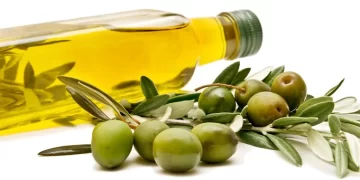
distilled oil
The development of dangerous substances known as acrylamides and glycidyl fatty acid esters (GEs) during the refining process is one of the primary issues with refined oil. Breast cancer, colon cancer, and pancreatic cancer have all been related to these substances, which are known to be carcinogenic.
flavoured meat
A higher risk of cancer, especially colon cancer, has been related to processed beef. Nitrates and nitrites are used to preserve processed milk; when ingested, they may turn into dangerous substances called nitrosamines.
cardboard cutting board
Several of the polymers used to make plastic cutting boards may contain substances that, when they come into contact with food, might cause cancer.
The constant scraping and cutting of plastic cutting boards might result in minute pieces of plastic breaking off and contaminating the food. This may result in the consumption of these dangerous compounds and a higher chance of developing cancer.
We may help safeguard ourselves and our loved ones against the damaging consequences of cancer by being aware of the hazards connected with these goods and taking action to decrease our exposure.