






















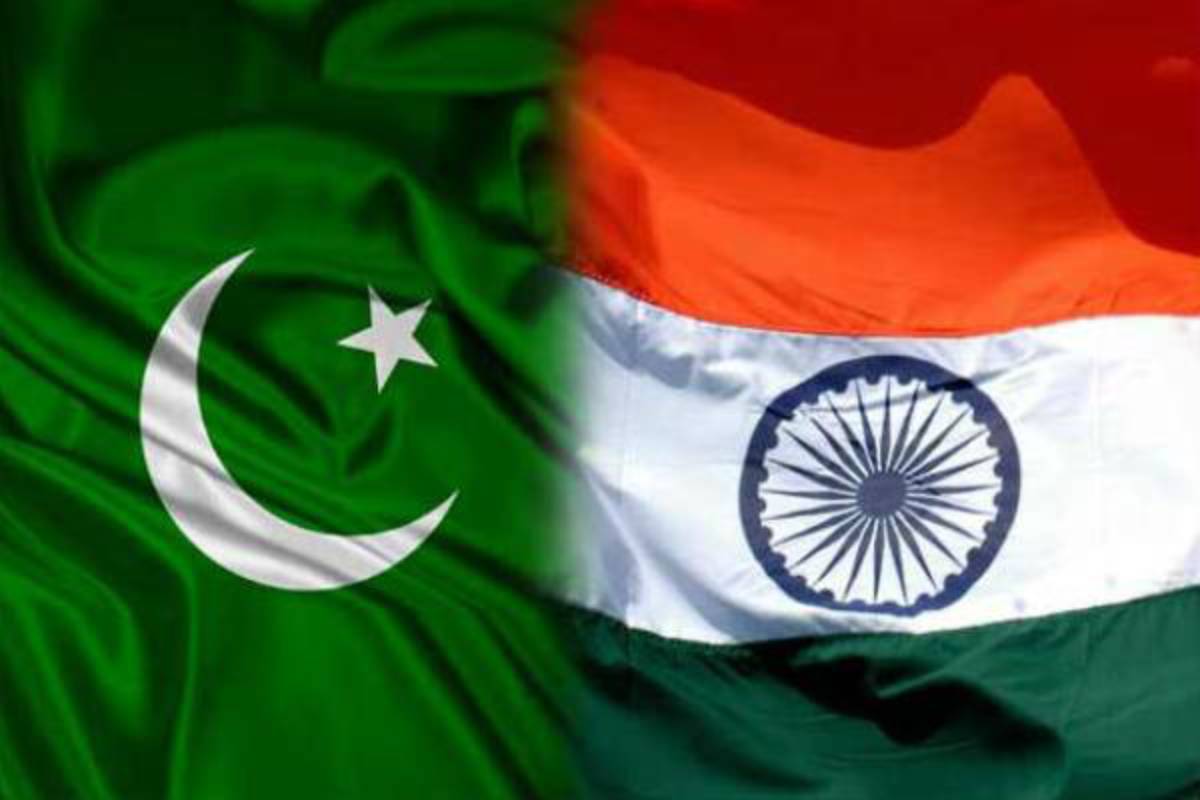
On Wednesday, the US stated its support for direct communication on pressing concerns between Pakistan and India.
Official spokesman Matthew Miller of the State Department responded to a query at a typical news conference held here by saying, “As we have long maintained, we favor direct engagement between India and Pakistan on areas of concern. That has always been our stance.
The answer was given in response to a query addressing the recent remarks made by the prime minister of Pakistan regarding his “willingness to talk with India.”
Shehbaz Sharif said at the Mineral Summit’s opening ceremony in Islamabad on Monday that they are prepared to communicate with the neighbors in order to strengthen the country.
Although there has been tension between the two countries since their independence in 1947, the Pakistani prime minister wants to encourage productive interaction.
We are willing to communicate with our neighbors as long as they are sincere about discussing important issues since going to war is no longer an option. Pakistan has nuclear weapons—not as an aggressor but rather for our defense. In the last 75 years, three wars were fought. And what has occurred is that it has increased unemployment, poverty, and a lack of funding for public health, education, and well-being, according to PM Sharif.
He emphasized that fighting via regional economic competitiveness is the better strategy than adopting.
“Because who will survive to explain what occurred if there is a nuclear flashpoint? So (war) is not an option,” PM Sharif said, adding that he is aware that neither country can become a typical neighbor without the removal of “abnormalities” and without understanding and resolving the fundamental problems via meaningful and peaceful dialogue.
Since the creation of Pakistan, ties between the two countries have never been regular. India has expressed its worry about Pakistan’s encouragement of cross-border terrorism on several occasions and has said that negotiations and terrorism cannot coexist.
The Pakistani government, then headed by Imran Khan, expelled India’s ambassador to Islamabad in response to the Indian government’s decision in August 2019 to revoke Jammu and Kashmir’s special status and divide it into two Union territories (J&K and Ladakh). Bilateral commerce was also interrupted.