
























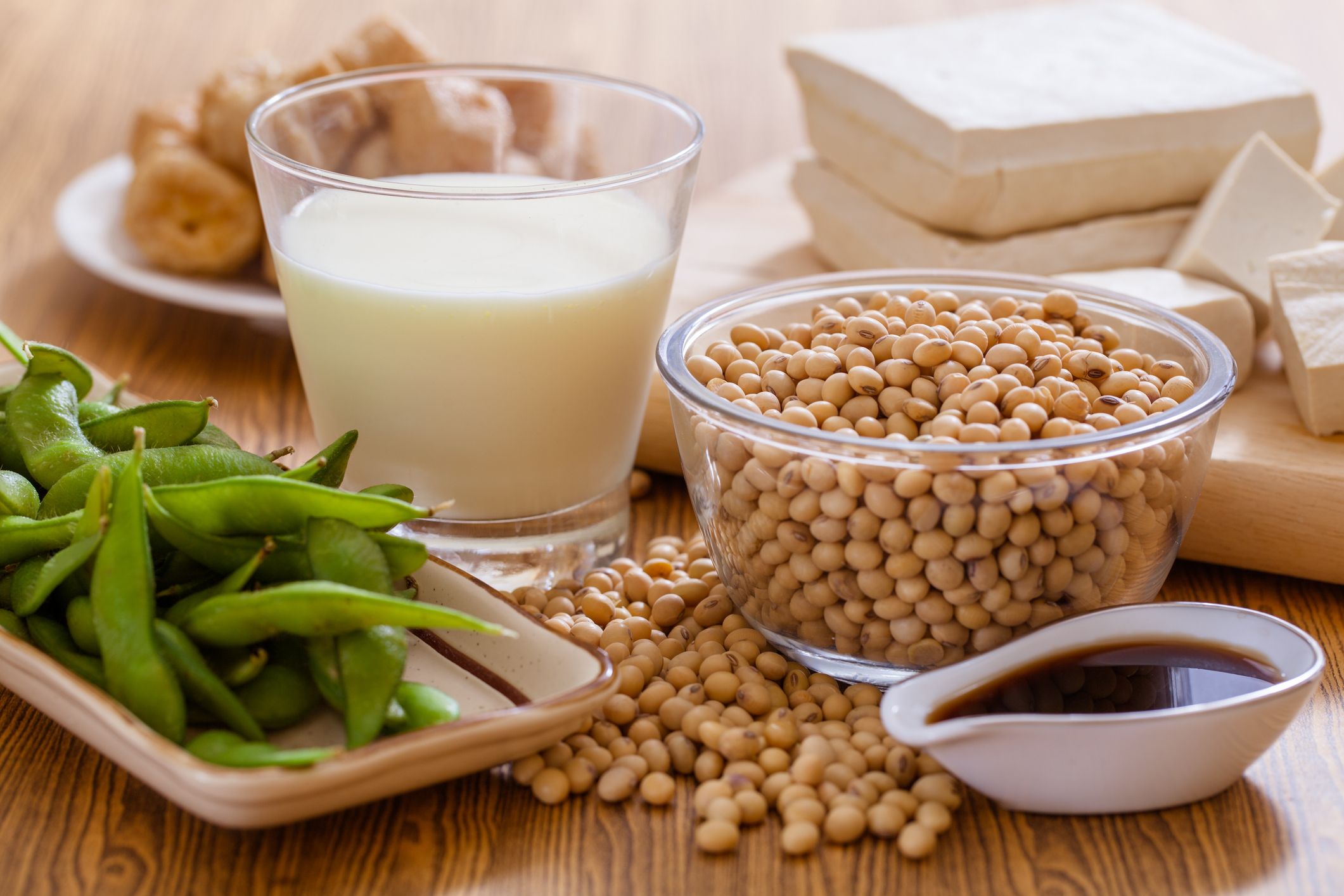
As a wholesome and adaptable food source, soybeans have seen substantial growth in popularity. They are often lauded for their substantial amounts of protein, vital vitamins, and possible health advantages. However, much like many other meals, soybeans could have adverse consequences that people need to be aware of. We will explore the possible negative consequences of eating soybeans in this post, giving you a thorough grasp of their influence on your health. Glycine max is the scientific name for soybeans, a legume that originated in East Asia. They are often utilized in tofu, soy milk, tempeh, and edamame, among other forms. Although soybeans have many health advantages, excessive intake might have unfavorable consequences that should not be disregarded.
Soybean Nutritional Value
Protein is abundant in soybeans, which also contain all the essential amino acids required for human health. Additionally, they are a great source of dietary fiber, good fats, and minerals including iron, calcium, and magnesium. Furthermore, soybeans contain substances known as phytoestrogens, which may act as an estrogen substitute in the body.
Advantages of Eating Soybeans
Including soybeans in your diet may have a number of benefits. These include enhancing bone health owing to their calcium content, decreasing the incidence of some malignancies, and enhancing heart health. Because they have a low glycemic index and a high protein content, soybeans are also thought to be helpful for controlling diabetes and promoting weight reduction.
Soybean side effects that might occur
4.1 Digestional Pain
While healthful, soybeans may be difficult for some people to digest. Large soybean intake may cause bloating, gas, and stomach discomfort. In order to lessen this, gradually include soy-based items into your diet and pay attention to how your body reacts.
4.2 Reactions to Allergies
Although uncommon, soy allergy responses may happen. Hives, itching, swelling, and in extreme circumstances, anaphylaxis, may all be symptoms. Consult a medical expert for a correct diagnosis and advice if you think you may have a soy allergy.
4.3 Disruption of Thyroid Function
Goitrogens, which are found in soybeans, may disrupt thyroid function. People who have thyroid issues, particularly hypothyroidism, should limit their soy intake since it may interfere with the thyroid medication’s absorption.
4.4 Imbalance in Hormones
Soybean phytoestrogens may alter hormonal equilibrium, especially in those with disorders that make them more susceptible to estrogen. While soy eating in moderation is typically healthy, an excessive amount may cause endocrine system disruption.
4.5 Breast Cancer Patients’ Risk
The link between soy and breast cancer is a topic of continuous discussion. While other studies warn caution, others claim that modest soy intake may not have a negative impact on those who have breast cancer. Before substantially increasing your soy consumption if you have had breast cancer, talk to your doctor.
GMOs and soy beans
The majority of soybeans available on the market today have undergone genetic modification (GMO). Despite the fact that GMO soybeans are considered safe for ingestion, those who would like stay away from GMOs should choose organic or non-GMO certified soy products.
Moderation and Equilibrium
Consuming soybeans in moderation is essential, as it is with other meals. You may have a well-rounded nutritional profile without just depending on soy products by using a range of protein sources in your diet.
Consumption of Soybeans by Different Groups
7.1 Grownups
It is unlikely to affect most individuals if they consume reasonable quantities of soybeans as part of a balanced diet. Aim for variation and pay attention to how your body reacts.
Children 7.2
Soy products are acceptable for children to eat, but they should only consume what is necessary for their age. If you have any worries, speak to a doctor.
7.3 Expectant Mothers
Although excessive soy supplement usage should be avoided owing to their strong phytoestrogen concentration, soy consumption during pregnancy is typically safe.
Soybean preparation and cooking
Soybeans must be prepared properly to minimize any possible negative effects. Soybeans may help break down certain chemicals that cause intestinal pain via cooking, fermenting, or processing.
Alternative Sources of Protein
There are several options besides soybeans if you want to vary your protein consumption, including legumes, lentils, quinoa, nuts, seeds, and lean animal proteins. A balanced diet should include soy products since they provide a number of health advantages. But it’s important to be aware of any negative effects, particularly if you have certain medical issues. You may benefit from soy’s nutritional benefits without jeopardizing your health by consuming it in moderation and eating a variety of foods.